
How To
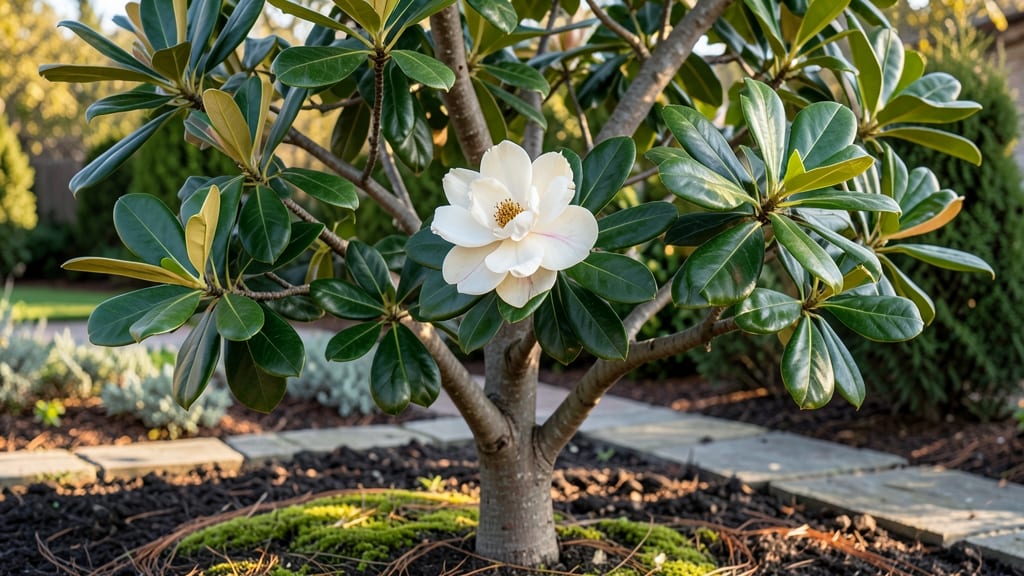
Wondering how tall do Little Gem magnolias grow before they become a backyard giant? This stunning 🌸 tree might surprise you—it typically reaches 15 to 25 feet at maturity, but with the right care, you can keep it from overshadowing your patio or driveway.
Unlike its larger magnolia cousins, the Little Gem is prized for its compact form and glossy leaves, making it perfect for smaller spaces. But if you're planting near a fence or sidewalk, understanding its growth habits is key to avoiding future headaches.
The good news? Pruning at the right time can help manage its height without sacrificing those showstopping spring blooms.
In this guide, I’ll break down exactly how fast it grows, what affects its height, and the simplest pruning techniques to keep it in check. Whether you’re a first-time gardener or a seasoned green thumb, these tips will help you enjoy this beauty without the worry.
Let’s dive into the details so you can plant with confidence—and keep your Little Gem magnolia looking its best for years to come.

Little Gem magnolia growth height: natural size vs. pruned expectations
The Little Gem magnolia (Magnolia grandiflora 'Little Gem') is a compact powerhouse in the world of magnolias, but its mature height still surprises many gardeners. While it’s smaller than its standard cousins, this tree can still reach 15 to 25 feet tall under ideal conditions.
Understanding its growth patterns helps you plan your landscape and manage expectations—especially if you’re working with limited space.
Unlike the towering Southern magnolia (which can hit 80 feet), the Little Gem stays neat and manageable—think of it as a miniature version with the same stunning blooms.
Its growth rate averages 12 to 18 inches per year, meaning it takes about 10 to 15 years to reach maturity. With the right care, you can even prune it down by 20-30% to fit smaller yards.
Here’s the key: sunlight, soil, and climate play huge roles in how tall your Little Gem grows. In full sun (6+ hours daily), it may lean toward the 25-foot mark, while partial shade (4-6 hours) keeps it closer to 15 feet.
Rich, well-draining soil also encourages slower, bushier growth—perfect for controlling height naturally.
If you’re planting in USDA Zones 6-9 (its ideal range), expect faster growth in humid climates like the Southeast, where magnolias thrive. In drier regions, growth slows slightly, but the tree remains hardy and adaptable.
Now, let’s break down the growth expectations in a clear summary to help you visualize what to expect over time.
| Growth Stage | Height Range | Annual Growth | Time to Mature |
|---|---|---|---|
| Year 1 | 2–3 ft | 12–18 in | Fast initial growth |
| Year 3 | 10–12 ft | 12–18 in | Steady upward trend |
| Mature (10+ yrs) | 15–25 ft | 6–12 in | Slower growth |
| Pruned Regularly | 10–18 ft | Controlled growth | Maintains shape |
The table above shows how height varies by stage, but remember: pruning makes the difference. Without pruning, your Little Gem will naturally reach its full 25-foot potential, while strategic cuts can keep it under 15 feet.
This is especially useful for urban gardens or small yards where space is limited.
For example, if you plant your Little Gem near a 10-foot fence, regular pruning can ensure it never outgrows its space. The key is to prune in late winter or early spring before new growth begins.
This timing minimizes stress on the tree and encourages bushier, denser growth instead of tall, leggy branches.
Another factor to consider is spreading habits. While the Little Gem is narrower than standard magnolias (typically 10–15 feet wide), its horizontal growth can still encroach on nearby plants. Planting it 10–15 feet away from structures or other trees gives it room to spread without crowding.
If you’re unsure whether your space can accommodate a 15–25-foot tree, start with a container-grown specimen. Young Little Gems in pots grow more slowly at first, giving you time to assess how it fits into your landscape before transplanting it into the ground.
Finally, don’t forget that healthy soil and proper watering directly impact height. Well-draining, slightly acidic soil (pH 5.5–6.5) and consistent moisture (but no soggy roots) help the tree focus energy on blooms and branches rather than excessive vertical growth.
With these insights, you can confidently plan where to plant your Little Gem and how to keep it at your desired height—whether that’s a tall focal point or a compact accent tree.
Little Gem magnolia growth height: natural size vs. pruned expectations
The Little Gem magnolia (Magnolia grandiflora 'Little Gem') is a compact powerhouse in the magnolia world, reaching 15–25 feet tall at maturity—significantly smaller than its standard counterpart.
While it’s still a tall ornamental tree, its narrow, upright growth habit makes it ideal for smaller yards or urban landscapes where space is limited.
Under ideal conditions—full sun to partial shade, well-draining soil, and consistent moisture—this magnolia grows 12–18 inches per year. In the first 3 years, expect rapid growth from 2–3 feet to 10–12 feet, with mature height typically achieved by year 10.
Sunlight exposure directly impacts height. Full sun (6+ hours daily) accelerates vertical growth, while partial shade (4–6 hours) can slow it by 20–30%. Poor soil drainage or compacted roots also stunt growth, making soil prep critical before planting.
| Growth Stage | Height Range | Annual Growth Rate | Key Factors |
|---|---|---|---|
| Year 1 | 2–3 ft | 12–18 in | Root establishment |
| Year 3 | 10–12 ft | 12–18 in | Sunlight + water |
| Mature (10+ yrs) | 15–25 ft | 6–12 in | Pruning + climate |
If your goal is to keep the Little Gem magnolia under 15 feet, pruning in late winter (before bud break) can reduce height by 20–30% without harming the tree. Focus on removing upward-growing branches and thinning dense areas to maintain an open canopy.
For small gardens, consider planting near east-facing walls or fences to naturally limit height through root restriction. Pair it with dwarf shrubs like boxwood or hydrangeas to create visual balance and slow vertical expansion.
Remember: Patience is key. Even with pruning, the Little Gem magnolia’s natural growth trajectory means it will always outgrow most shrubs. Plan for its mature size or embrace its stature as a focal point in your landscape design.