
How To
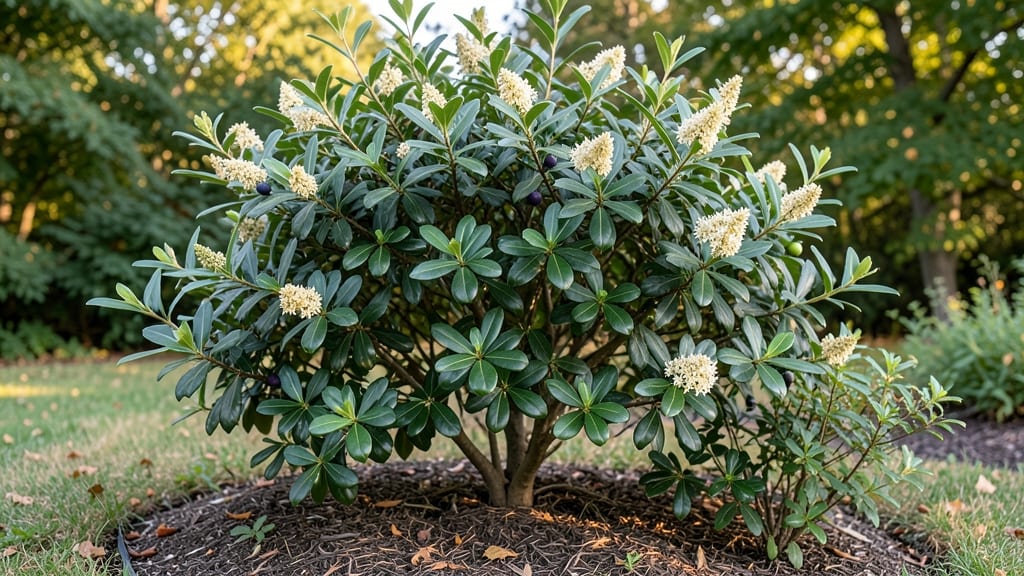
If you're planning a privet hedge and wondering "how tall do privets grow", the answer depends more on the variety and care than you might think.
Some types like the common privet can reach towering heights of 12-15 feet if left unchecked, while others stay compact at just 3-5 feet—making them perfect for smaller spaces.
Understanding these differences is key, especially if you're designing a hedge that needs to stay within certain boundaries. The right pruning techniques can keep even the tallest varieties in check, while soil conditions and sunlight play surprisingly big roles in their growth patterns.
Let me break down exactly what influences privet height and how you can control it.
Whether you're aiming for a 6-foot privacy screen or a neat 3-foot border, knowing your privet's potential is the first step. I'll walk you through the most popular types, their natural growth habits, and the simple tricks to keep them at your desired height—without sacrificing their lush, green appeal.
Ready to get the right privet for your space? Let's dive into the specifics so you can choose—and shape—a hedge that fits your vision perfectly.

Natural height ranges of common privet types (with growth speed factors)
Privets—specifically Ligustrum varieties—are prized for their dense foliage and adaptability, but their mature heights can vary dramatically. Understanding these differences helps you choose the right type for your space.
The common privet (Ligustrum vulgare) typically reaches 6 to 12 feet tall, while the Japanese privet (Ligustrum japonicum) can soar up to 15 feet without pruning. Even dwarf varieties like Ligustrum ovalifolium 'Aureum' stay compact at just 3 to 5 feet.
Growth speed also plays a role. Most privets grow 1 to 2 feet per year under ideal conditions—full sun, well-draining soil, and regular watering. However, poor soil or shade can slow growth significantly.
For example, a 6-foot privet hedge might take 3 years to establish, while a 12-foot variety could reach maturity in 5 to 6 years.
Spacing is critical to avoid overcrowding. Plant 3-foot-tall varieties 3 to 4 feet apart, while 6-foot privets need 5 to 6 feet of space. Larger types like Ligustrum sinense should be spaced 8 to 10 feet apart to allow for their eventual spread.
Proper spacing ensures airflow, reducing disease risk and promoting healthier growth.
Here’s a quick comparison of how privet types measure up in height and spread:
| Variety | Mature Height | Spread | Growth Rate | Ideal Spacing |
|---|---|---|---|---|
| Common Privet (Ligustrum vulgare) | 6–12 ft | 6–10 ft | 1–2 ft/year | 5–6 ft |
| Japanese Privet (Ligustrum japonicum) | 10–15 ft | 8–12 ft | 1.5–2.5 ft/year | 8–10 ft |
| Dwarf Privet (Ligustrum ovalifolium 'Aureum') | 3–5 ft | 3–4 ft | 6–12 in/year | 3–4 ft |
| Chinese Privet (Ligustrum sinense) | 8–12 ft | 6–8 ft | 1–2 ft/year | 6–8 ft |
If you’re planning a privet hedge, consider the final height and how it fits into your landscape. A 6-foot privet works well for privacy screens, while taller varieties can serve as natural windbreaks. For low-maintenance borders, dwarf varieties are ideal—they stay neat and require less pruning.
Soil quality also influences height. Privets thrive in well-draining, slightly acidic soil (pH 6.0–7.0). Amend heavy clay with compost or sand to encourage compact growth. In poor soil, privets may grow leggy or reach heights faster than expected, so test your soil before planting.
Light exposure matters too. While privets tolerate partial shade, they grow most vigorously in full sun (6+ hours daily). In shady spots, growth slows, and plants may become sparse. If your site is shady, opt for dwarf varieties or supplement with grow lights for container-grown privets.
Finally, remember that privets are evergreen in warm climates but may drop leaves in winter zones (USDA 5–9). This doesn’t affect height but can influence your choice if you prefer year-round greenery. For example, Ligustrum japonicum stays evergreen in zones 7–10, while Ligustrum vulgare is semi-evergreen in colder areas.
With the right variety and care, you can keep your privet at your desired height—whether that’s a neat 3-foot border or a towering 12-foot hedge. The key is planning ahead and understanding how each type grows naturally.
Natural height ranges of common privet types (with growth speed factors)
Privets are versatile shrubs, but their mature heights can vary dramatically depending on the species. The common privet (Ligustrum vulgare) typically reaches 6 to 12 feet tall with a spread of 5 to 10 feet, making it ideal for tall hedges or privacy screens.
Meanwhile, the Japanese privet (Ligustrum japonicum) often grows taller, clocking in at 10 to 15 feet under ideal conditions. For smaller spaces, the dwarf varieties like 'Little Miss' or 'Nana' stay compact at just 2 to 4 feet tall.
Growth speed also varies—most privets grow 1 to 2 feet per year when young, but this slows as they mature. Soil quality and sunlight exposure play huge roles: well-draining, nutrient-rich soil paired with full sun to partial shade encourages faster, healthier growth.
If your soil is poor or overly compacted, expect slower growth and potential height limitations.
| Variety | Mature Height | Spread | Growth Rate | Ideal Spacing |
|---|---|---|---|---|
| Common Privet (Ligustrum vulgare) | 6–12 ft | 5–10 ft | 1–2 ft/year | 4–6 ft apart |
| Japanese Privet (Ligustrum japonicum) | 10–15 ft | 8–12 ft | 2–3 ft/year | 6–8 ft apart |
| Dwarf Varieties ('Little Miss', 'Nana') | 2–4 ft | 3–5 ft | 6–12 in/year | 2–3 ft apart |
| Chinese Privet (Ligustrum sinense) | 8–12 ft | 6–10 ft | 1.5–2.5 ft/year | 5–7 ft apart |
When planning your privet hedge, always consider the mature size of the variety you choose. For example, planting Japanese privet 6 feet apart will create a dense screen quickly, while dwarf varieties need closer spacing (2–3 feet) to fill in gaps.
If you're unsure about your soil's drainage, conduct a simple percolation test—poor drainage can stunt growth or lead to root rot, both of which limit height potential.
Another key factor is sunlight: privets thrive in full sun to partial shade, but too much shade can slow growth. If your yard has limited sunlight, opt for a dwarf variety or supplement with grow lights during the winter months.
Over time, this ensures your privet stays healthy and reaches its expected height without leggy, sparse growth.
For those with limited vertical space, consider pruning techniques like tipping (cutting back new growth) to encourage bushier, shorter growth. This method works especially well for Japanese privet, which can otherwise become top-heavy.
Just remember: never remove more than 1/3 of the plant's height in a single pruning session—this can stress the shrub and reduce its ability to recover.
If you're aiming for a uniform hedge height, start with well-spaced plants and prune regularly. For example, a 6-foot-tall hedge requires consistent trimming every 6–8 weeks during the growing season.
Use sharp, clean pruners to avoid damaging branches, and always prune just above a leaf node to encourage new growth in the right direction.