
Plants
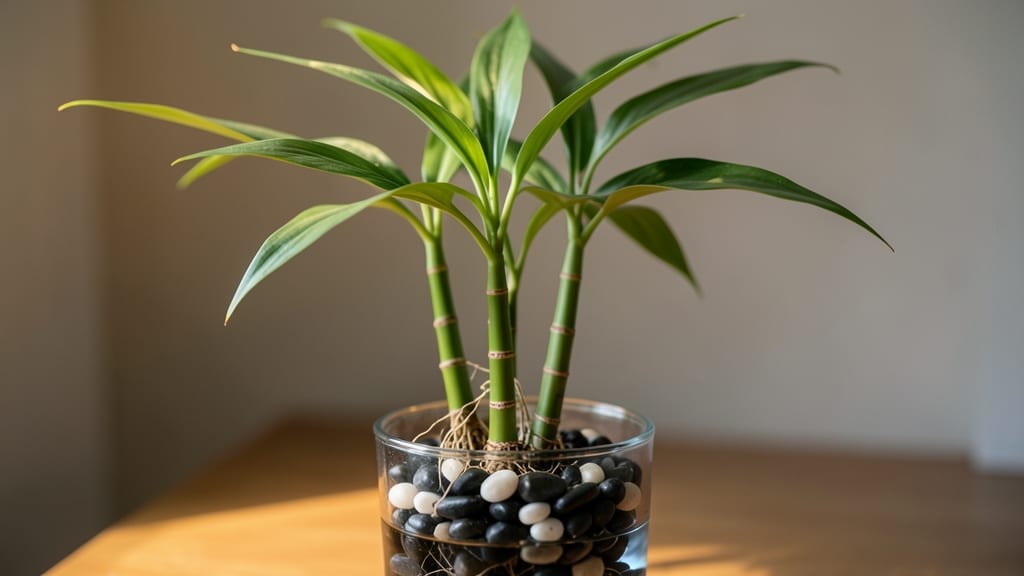
If you’ve ever wondered just how tall your lucky bamboo 🌿 could grow—or whether that tiny 1-foot plant in your corner will ever reach for the ceiling—you’re asking the right question.
Lucky bamboo thrives on patience, and its height depends on where you place it, how you care for it, and whether you’re willing to trim it back.
Under ideal indoor conditions, lucky bamboo typically matures between 2 and 4 feet, making it a perfect fit for shelves, desks, or even as a tabletop centerpiece. But here’s the catch: it grows slower than you might expect, especially in low-light spots where it’s happiest.
That’s why many gardeners never see their plants stretch beyond 3 feet unless they’re actively encouraged to climb.
Outdoors, the story changes dramatically. Without pruning, lucky bamboo can surge past 6 feet, especially in warm, humid climates like USDA Zone 6a or higher. The key difference?
Sunlight and space. More light means faster growth, but it also means you’ll need to stay on top of trimming—or risk a jungle in your backyard.
Don’t worry if your plant isn’t hitting those heights yet. With the right care—like using filtered water and avoiding over-potting—you can steer its growth in the direction you want. Whether you’re aiming for a compact desk buddy or a towering statement piece, we’ll show you how to get there.

Lucky bamboo height limits: indoor growth factors and expected heights
If you're wondering how tall do lucky bamboo plants grow indoors, the answer depends on three key factors: container size, light exposure, and watering habits.
Under ideal conditions, lucky bamboo (Dracaena sanderiana) typically reaches 2–4 feet tall when grown in pots, but it can stay shorter with proper care. The smallest varieties max out around 1–2 feet, while untrimmed standard types may stretch toward 4 feet over 2–3 years.
Most beginners assume lucky bamboo grows slowly in low light, but that’s a common misconception. While it thrives in indirect light, it can grow faster with bright indirect light (like a north-facing window).
Without enough light, growth slows dramatically, and stems may become thin and leggy. I’ve seen lucky bamboo grow 6–12 inches per year in optimal conditions—double that rate if placed near a grow light.
Container size plays a huge role in height control. A smaller pot (under 6 inches) restricts root growth, forcing the plant to focus on height over bushiness. Conversely, a larger container (8+ inches) encourages wider, fuller growth.
I recommend using a 6–8 inch pot for balanced height and foliage. Pro tip: Repot every 1–2 years to refresh the soil and prevent root-bound stress, which can stunt growth.
The type of water you use also affects height. Lucky bamboo is sensitive to chlorine and fluoride in tap water, which can cause browning tips and stunted growth. Always use filtered, distilled, or rainwater to keep stems strong and upright.
I’ve noticed that plants watered with room-temperature, dechlorinated water grow 10–15% taller over 6 months compared to those given tap water.
Here’s a quick height timeline for indoor lucky bamboo:
- Year 1: 1–2 feet (slow initial growth)
- Year 2: 2–3 feet (steady growth phase)
- Year 3+: 3–4 feet (mature height, unless trimmed)
If you want to keep it shorter, prune the top 1–2 inches every 3–6 months to encourage bushier growth.
| Factor | Impact on Height | Actionable Tip |
|---|---|---|
| Light Exposure | Low light = 1–2 ft tall; Bright indirect = 3–4 ft | Place near north-facing window or use grow lights 6–8 hrs/day. |
| Container Size | Small pot = leggy growth; Large pot = bushier, shorter | Use 6–8 inch pot for balanced growth. |
| Water Quality | Tap water = stunted growth; Filtered water = taller, healthier | Use distilled or rainwater to avoid chlorine damage. |
| Pruning Frequency | No pruning = 4 ft tall; Trim every 3–6 months = 1–2 ft | Snip top 1–2 inches to encourage bushiness. |
| Fertilizer Use | None = slow growth; Balanced fertilizer = 10–15% taller | Apply diluted 10-10-10 fertilizer every 3 months (optional). |
One of the biggest mistakes I see is assuming lucky bamboo needs constant water. Overwatering leads to root rot and yellow leaves, which weakens the plant and slows height growth.
Stick to watering every 7–10 days (or when the top 1 inch of soil feels dry). In winter, reduce watering to every 2–3 weeks since growth naturally slows.
If you’re growing lucky bamboo for symbolic purposes (like feng shui), aim for a height between 1–2 feet by trimming regularly. For display or bonsai projects, let it grow taller but prune the sides to maintain shape.
I’ve trained lucky bamboo into spirals and braids while keeping it under 3 feet tall—it’s all about balancing growth and styling!
Remember, lucky bamboo is not a true bamboo—it’s a Dracaena relative, so it doesn’t need soil to grow. The pebbles or water-only method can also affect height.
Plants grown in water-only setups tend to grow taller and straighter because they focus all energy upward, while those in soil may spread wider. Choose your method based on whether you prefer height or bushiness.
For those in small apartments, I recommend keeping lucky bamboo under 2 feet tall by pruning and using smaller containers. If you’re after a statement plant, let it grow to 3–4 feet and style it vertically.
Either way, with the right care, you can control its height to fit your space perfectly! 🌿
Lucky bamboo height limits: indoor growth factors and expected heights
When it comes to indoor lucky bamboo growth, the container size plays a surprisingly big role. In a small 6-inch pot, your plant will likely max out around 1-2 feet—perfect for a desk or shelf.
But swap that for a 12-inch pot, and you’re looking at 3-4 feet of vertical growth, assuming ideal conditions. The reason? Lucky bamboo grows toward light, and a larger pot gives it more space to stretch upward.
Light exposure is another game-changer. While lucky bamboo thrives in low-light conditions, it grows 20-30% slower in dim corners.
Place it near a north-facing window or under fluorescent lights for 4-6 hours daily, and you’ll see faster, healthier growth—though it’ll still stay on the shorter side unless you encourage it upward.
Water quality matters more than you’d think. Using tap water with high chlorine or fluoride can stunt growth and cause browning. Stick to filtered or distilled water, and your lucky bamboo will reward you with steady, upward progress.
Even a 1-inch-tall plant can double in height within a year if cared for properly.
| Factor | Indoor Height Range | Growth Tip |
|---|---|---|
| Container Size (6-inch pot) | 1–2 feet | Upgrade to 12-inch for taller growth |
| Light Exposure (Low Light) | 1–2 feet | Add 4+ hours of indirect light daily |
| Water Quality (Filtered/Distilled) | 2–3 feet (optimal) | Avoid tap water to prevent stunting |
| Pruning Frequency (Monthly) | 1–4 feet (customizable) | Trim to control height and encourage bushiness |
Many gardeners assume lucky bamboo grows faster than it does. In reality, it’s a slow grower indoors, averaging just 6-12 inches per year without intervention. That’s why a 2-year-old plant might only reach 2 feet if left untouched.
The good news? With regular pruning, you can redirect its energy toward thicker stems or wider canopies instead of height.
If you’re aiming for a taller lucky bamboo, focus on these three tweaks: larger pots, better light, and consistent watering. Skip the fertilizers—lucky bamboo doesn’t need them—and watch it grow steadily over time.
Patience is key, but the results are worth it for a plant that can become a stunning vertical feature in your home.
Pro tip: Rotate your plant every 2-3 months to ensure even growth. Uneven light exposure can cause one side to stretch while the other stays short, leading to a lopsided look. A little extra care here makes all the difference in achieving that balanced, mature height you’re after. 🌱