
Plants
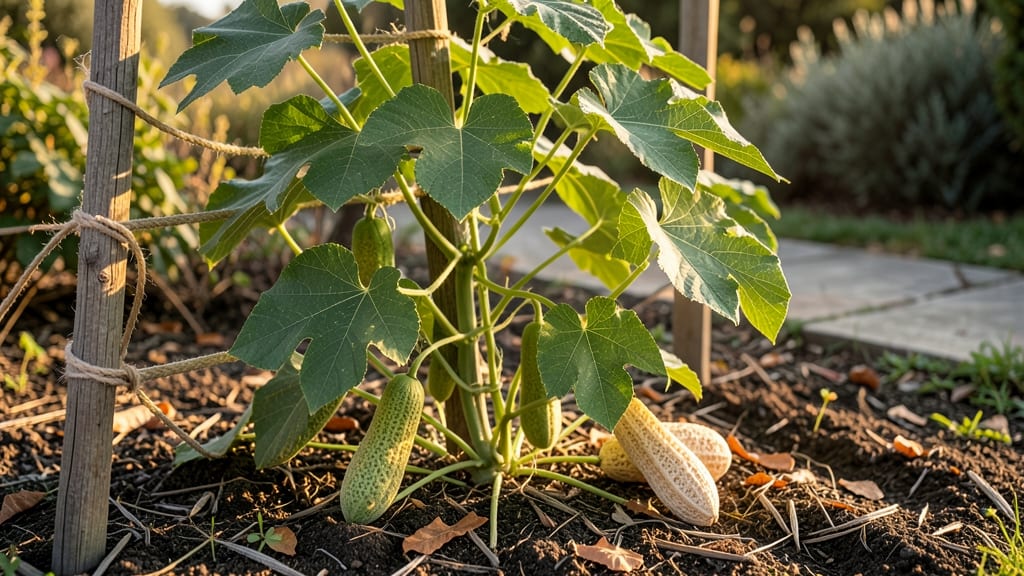
If you're wondering "how tall do luffa plants grow", get ready for a vine that can reach 20+ feet—think telephone pole heights in your backyard! These tropical climbers need space, but with the right support, they’ll transform your garden into a lush green wall.
Luffa 🍈 thrives in warm climates like USDA Zone 6a and beyond, shooting up quickly once planted in spring after the last frost. Without proper trellising, their sprawling vines can take over fences or nearby structures, so planning ahead is key.
You’ll see the most dramatic growth between June and August, when they’re busy producing fruit. But don’t worry—even if they tower over you, their height is manageable with simple training techniques like pruning or guiding them along sturdy supports.
Ready to grow your own natural loofahs? I’ll show you exactly how to harness their vertical growth—without sacrificing your sanity (or your garden’s layout). Let’s get started!

Luffa plant growth height: how tall they climb (and when to expect it)
Luffa plants are fast-growing vines that can reach stunning heights—often between 15 to 25 feet—if given the right conditions. These tropical climbers grow aggressively, especially in warm climates, and can even surpass 30 feet in ideal environments.
Their rapid vertical growth makes them perfect for vertical gardening but requires strong support structures to thrive.
If you’re planning to grow luffa, expect early-season growth spurts within the first 4–6 weeks after planting. By mid-summer, vines can climb 10–15 feet if trained properly.
Without support, they’ll sprawl across the ground, but with a trellis or arbor, they’ll shoot upward like a jungle gym for your garden.
Luffa plants are not for small spaces—they need room to climb and plenty of sunlight to reach their full potential. In USDA Zones 6–10, they thrive in long, hot summers, which accelerates their growth.
If you’re in a cooler climate, consider starting seeds indoors or using a greenhouse to extend the growing season.
Here’s how their height compares to other common garden plants: luffa vines are taller than a two-story house and can rival telephone poles in height. Their aggressive growth means they’ll quickly dominate any trellis or fence you provide, so be prepared for a dramatic vertical display!
The speed of growth depends on sunlight exposure, soil fertility, and water consistency. Luffa plants love heat, so if you’re in a hot, sunny climate, expect even faster growth.
In cooler regions, growth may slow, but with proper care, they’ll still climb 10–15 feet in a single season.
One critical factor is trellis training. Without support, vines will sprawl, wasting energy and reducing fruit production. A strong trellis or arbor encourages vertical growth, helping luffa reach its full height potential.
If you’re growing luffa in containers, choose a large pot (15+ gallons) and provide a vertical trellis to guide the vines upward.
Luffa plants also respond well to pruning. If you notice excessive lateral growth, trimming back side shoots can redirect energy to vertical expansion. This is especially useful if you’re growing luffa in a small garden and want to control its height while maximizing fruit yield.
By late summer, your luffa vines will be fully mature, producing long, cylindrical fruits that can weigh 1–3 pounds each. The height of the plant doesn’t directly affect fruit size, but strong vertical growth ensures better air circulation, reducing the risk of diseases like powdery mildew.
If you’re new to growing luffa, start small with one or two plants to test your trellis setup. Once you see how fast they climb, you’ll either be amazed by their height or ready to expand your garden to accommodate more vines! 🌱
Luffa plant growth height: how tall they climb (and when to expect it)
Luffa plants are vining giants that can reach 15 to 25 feet tall—or even taller in ideal conditions—making them one of the most dramatic plants for vertical gardening. If you’ve ever seen a two-story trellis covered in luffa vines, you’ll know why they’re called "vegetable ivy."
Their rapid growth starts within 4–6 weeks after planting, with vines climbing 6–12 inches per week once established.
These tropical plants thrive in warm climates (USDA Zones 8–11) and need full sun (6+ hours daily) to reach their full height.
Without proper support, they’ll sprawl across the ground, but with a sturdy trellis, they’ll twist and climb like a jungle vine, producing long, cylindrical fruits along the way. The key to managing their height lies in early training and choosing the right support structure.
In year one, luffa plants typically grow 10–20 feet tall if planted early and given ideal conditions. By year two, they can reach their full mature height of 20–30 feet, especially if you live in a hot, humid climate like Florida or Southern California.
The fastest growth occurs during summer months, when temperatures stay above 75°F (24°C) and vines can add a foot or more per week.
If you’re growing luffa in cooler climates (Zones 6–7), expect slower growth—10–15 feet—unless you use row covers or greenhouses to extend the season. The biggest height boost comes from proper trellising and regular pruning to encourage upward growth.
Without support, vines will sprawl, but with a strong vertical structure, they’ll climb like a jungle vine, producing long, cylindrical fruits along the way.
One common misconception is that luffa plants are low-maintenance climbers like morning glories. In reality, they require active training to reach their full height.
If left unchecked, they’ll flop over, wasting energy on horizontal growth instead of vertical. Early trellis attachment (within 2–3 weeks of planting) is key to maximizing height and fruit production.
For container growing, expect shorter heights (10–15 feet) due to limited root space, but you can still train them up a vertical trellis or cage. The trade-off? Smaller fruits but easier management in urban spaces.
Whether you’re aiming for a 20-foot trellis masterpiece or a compact container vine, understanding their growth habits will help you harness their dramatic potential. 🌿