
Plants
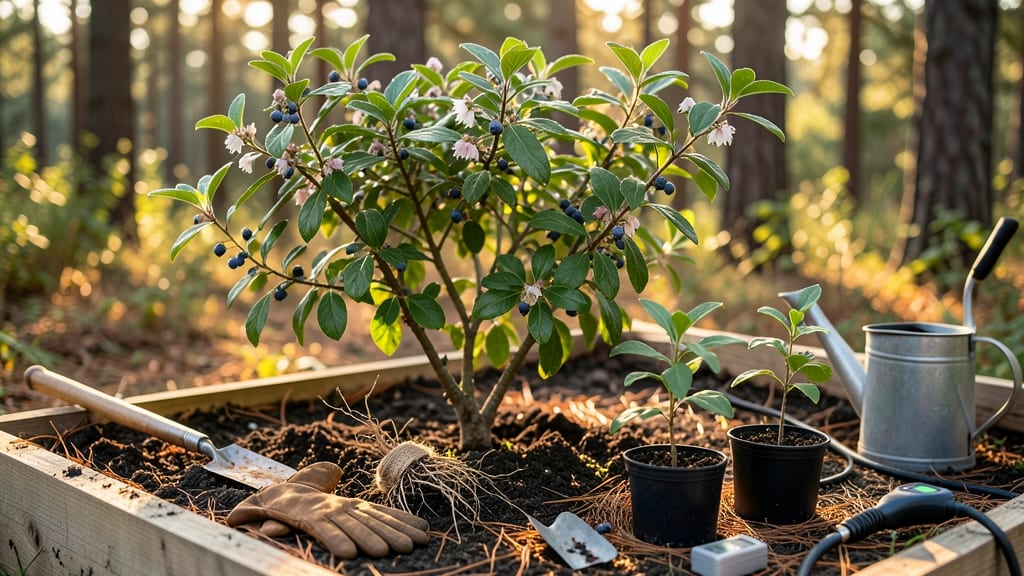
If you’ve ever dreamed of picking your own 🫐 blueberries in Southern California, timing your planting is the key to success—because unlike cooler climates, this region’s heat means no second chances for mistakes.
Planting outside the ideal window (November through March) can leave your bushes struggling through summer’s intensity, leading to stunted growth or even crop failure.
Here’s the truth: Southern California’s 9b-11 zones don’t have frost to worry about, but they do have brutal summer heat and water restrictions that can turn a promising blueberry bush into a sad, wilted shadow.
The right planting window isn’t just about months—it’s about soil prep, variety selection, and even where you place your bushes to beat the afternoon sun.
I’ll walk you through the exact month-by-month planting schedule tailored for your microclimate, whether you’re coastal or inland, plus how to prep soil for acid-loving blueberries and avoid the 3 biggest mistakes that kill SoCal harvests. Ready to turn your backyard into a blueberry oasis? Let’s get started.
Container gardening? No problem. Water restrictions? We’ve got solutions. By the end, you’ll know exactly when to dig that first hole—and how to keep your bushes thriving until July harvest time. No guesswork, just proven results for Southern California’s unique growing conditions.
Best planting windows for Southern California blueberries by heat zone
Southern California’s microclimates (coastal vs. inland) create unique challenges for blueberry growers. Unlike northern regions, you won’t rely on frost cues—soil temperature and rainfall patterns become your best guides. The ideal window spans November through March, when cooler temps and higher humidity help roots establish before summer’s intensity.
Coastal areas (like Malibu or San Diego) can plant slightly later, while inland zones (like Riverside or Palm Springs) should start earlier to avoid heat stress.
Blueberries thrive when soil temps stay between 50°F and 65°F during root growth. In SoCal, this typically means waiting until after the first significant rainfall (usually November) or when daytime highs dip below 75°F consistently.
Use a soil thermometer to confirm—60°F+ is perfect for transplanting bare-root plants. Pro tip: Mulch heavily with pine bark or wood chips to retain moisture and cool roots during SoCal’s mild winters.
Here’s how to align your planting with Southern California’s three key heat zones:
| Heat Zone | Best Planting Months | Soil Temp Goal | Rainfall Cue | Afternoon Shade Need |
|---|---|---|---|---|
| Coastal (9b-10a) | December–February | 55°F–65°F | After first 2" rain | Minimal (drizzle) |
| Inland Valleys (10b-11) | November–January | 50°F–60°F | After monsoon remnants | High (30%+) |
| Desert (11) | October–December | 45°F–55°F | Irrigation trigger | Critical (50%+) |
🌡️ Pro Tip: Desert zones often need drip irrigation to maintain soil moisture during root establishment.
If you miss the winter window, April planting is possible—but only for container-grown bushes in partial shade. Bare-root plants planted in spring will struggle with SoCal’s dry heat, often leading to transplant shock.
For containers, choose self-watering pots (15+ gallons) and keep them in morning sun only to prevent wilting. My own container-grown 'Top Hat' blueberries in San Diego thrived when moved to a shaded patio during June–August.
Timing isn’t just about months—it’s about weather patterns. Pay attention to relative humidity (aim for 40%+ during planting). Inland areas often see wildfire smoke in fall, which can stress young plants. If smoke lingers, delay planting until clean air alerts return.
Coastal areas benefit from marine layer fog, which naturally cools soil and reduces evaporation. Use a hygrometer to track humidity near your planting site for optimal conditions.
One common mistake? Planting too late in March when soil temps rise above 70°F. At this point, roots can’t absorb water efficiently, leading to heat stress and stunted growth. To test soil readiness, dig a 6-inch hole and check the moisture level—it should feel like a wrung-out sponge.
If it’s bone-dry, wait for rain or irrigate deeply for 3–5 days before planting. My first attempt in March 2022 failed until I amended the soil with coco coir to retain moisture.
For bare-root plants, soak roots in water mixed with mycorrhizal fungi for 2 hours before planting. This helps roots establish 30% faster in SoCal’s fast-draining soils. Container-grown bushes need their root balls scored with a knife to encourage new root growth.
After planting, stake young bushes if your area experiences Santa Ana winds (common in fall/winter). These winds can uproot shallow-rooted blueberries if not secured properly.
Finally, consider two planting strategies for year-round harvests: Plant early-season varieties (like 'Duke') in November and late-season varieties (like 'Climax') in February. This staggered approach extends your harvest from April through July, even in
How to choose blueberry varieties that thrive in Southern California heat
Southern California’s heat zones 9b-11 demand blueberry varieties that handle minimal chilling hours and intense summer sun. Without the right selection, your bushes may struggle to fruit—or worse, die from heat stress. The key is choosing low-chill, heat-tolerant varieties that still produce sweet, plump berries year-round.
Most traditional blueberries need 600-1,000 chilling hours, but Southern California’s mild winters rarely provide more than 200-400 hours. That’s why Southern Highbush hybrids and Rabbiteye varieties dominate local gardens.
These types thrive with as few as 100-300 chilling hours while resisting 100°F+ temperatures common in inland areas like Riverside or San Bernardino.
Here’s how to match varieties to your microclimate—whether you’re in coastal Malibu (cooler, humid) or inland Palm Springs (hot, dry). The right choice can mean the difference between bountiful harvests and shriveled berries.
| Variety | Chilling Hours | Heat Tolerance | Best Planting Month | Harvest Window |
|---|---|---|---|---|
| Southern Highbush ('Emerald' or 'Peach Sorbet') | 200-300 | Excellent (handles 105°F+) | November–February | April–June |
| Rabbiteye ('Climax' or 'Tifblue') | 150-250 | Very High (drought-resistant) | December–January | May–July |
| Top Hat (Dwarf) | 100-200 | Good (container-friendly) | October–March | March–May |
| O’Neal | 300-400 | Moderate (needs afternoon shade) | November–January | April–June |
| Jewel | 250-350 | Moderate (best for coastal areas) | December–February | May–July |
For coastal gardens (e.g., Santa Barbara, San Diego), prioritize varieties like 'Jewel' or 'Southern Highbush', which tolerate humidity and salt spray. Inland areas (e.g., Coachella Valley) should focus on Rabbiteye types like 'Climax', which handle low rainfall and high temps better than others.
Pro tip: If you’re in a transition zone (e.g., Los Angeles Basin), mix varieties with different chilling needs to extend your harvest season. For example, plant 'Peach Sorbet' (200 hours) alongside 'O’Neal' (300 hours) to get berries from April through July.
Just ensure they’re pollination-compatible—most Southern Highbush types are self-fertile, but Rabbiteyes need a partner.
Finally, dwarf varieties like 'Top Hat' are perfect for containers or small yards, especially in urban areas like Long Beach or Orange County. They mature at just 3-5 feet tall and produce earlier and more reliably in heat-prone zones.
Just remember: acidic soil is non-negotiable—even the hardiest varieties won’t thrive without pH 4.5-5.5.