
Plants
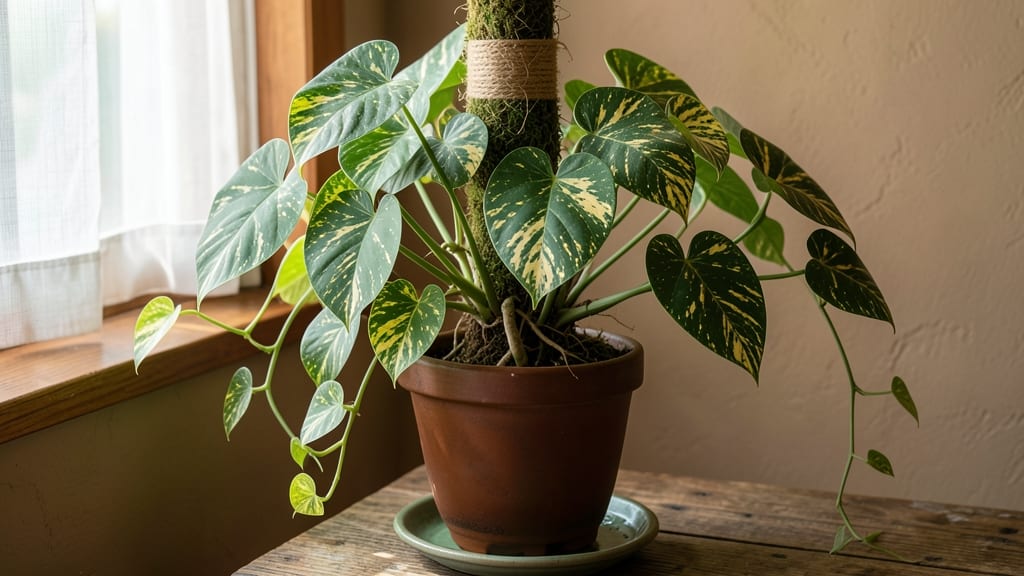
Curious about how tall your 💴 Money Plant can grow? These charming shrubs might surprise you—they can reach 2-3 feet tall indoors with proper care, but left unchecked, they’ll stretch taller than you expect, especially in bright conditions.
Whether you’re working with a compact variety or a fast-growing vine, understanding their growth habits is the key to keeping them at your ideal height.
I’ll break down what to expect based on your plant’s variety, light exposure, and care routine—so you can enjoy that lush, money-bringing foliage without it taking over your space.
From pruning tips to container size tricks, you’ll discover how to maintain your Money Plant’s perfect height. Let’s dive into the simple strategies that’ll keep your plant thriving—whether you want it as a small tabletop centerpiece or a taller statement piece.
Ready to transform your green thumb into a space-saving expert? The secrets to controlling your Money Plant’s growth are easier than you think—and they start with understanding its natural tendencies.

Money plant growth height: what to expect based on variety and care
Your money plant (Pachira aquatica) is a tropical beauty known for its striking palmate leaves and symbolic luck-bringing properties. But how tall will it grow? The answer depends on variety, care, and environment.
Indoors, most money plants reach 2 to 3 feet tall with proper conditions, while outdoor varieties can stretch taller—sometimes up to 6 feet—if given space and ideal sunlight. Understanding these growth ranges helps you plan for pruning, pot size, and even room placement.
If you’re working with limited space, dwarf varieties like the ‘Lucky Bambino’ stay compact at 1 to 2 feet, making them perfect for shelves or small tables.
Meanwhile, standard varieties like the ‘Money Tree’ (Crassula ovata) can grow 3 to 6 feet tall indoors if left unpruned. The key? Light exposure, pruning, and pot size all influence how tall your plant becomes.
Here’s the critical factor: money plants grow faster in bright, indirect light. Place yours near an east or west-facing window for optimal growth without scorching leaves. Without enough light, your plant may grow leggy and tall as it stretches toward sunlight, leading to weak stems.
Conversely, too much direct sun can cause leaf burn, stunting growth entirely.
Pot size also plays a huge role. A root-bound plant in a cramped pot will focus energy on growing taller rather than wider. Upgrade to a pot 2 to 3 inches larger in diameter every 1 to 2 years to encourage balanced growth.
For example, a 6-inch pot might keep a money plant under 2 feet tall, while a 12-inch pot could let it reach 3 to 4 feet if unpruned.
Now, let’s break down the mature heights for common money plant varieties and how to control them:
| Variety | Indoor Height | Outdoor Height | Care Tip for Compact Growth |
|---|---|---|---|
| Pachira aquatica (Standard) | 2–3 ft | 4–6 ft | Prune regularly; use 10–12" pot |
| Lucky Bambino (Dwarf) | 1–2 ft | 2–3 ft | Limit to 6" pot; trim leggy stems |
| Money Tree (Crassula ovata) | 3–6 ft | 6–10 ft | Prune annually; stake for support |
| Braided Money Tree | 2–4 ft | 5–7 ft | Train braids; repot every 2 years |
Pruning is your best tool to control height. For example, if your standard money plant starts reaching 3 feet and you want it shorter, simply trim the top 2–3 inches of the main stem.
This encourages bushier growth and prevents it from becoming top-heavy. Just be sure to use clean, sharp pruning shears and disinfect them with rubbing alcohol to avoid disease.
Another pro tip: rotate your plant every few weeks to ensure even growth. Money plants naturally lean toward light sources, so rotating them helps maintain a balanced shape and prevents one side from growing taller than the other.
This is especially important for braided varieties, where uneven growth can make the braids look messy.
If you’re growing your money plant outdoors in warmer climates (USDA zones 9–11), expect it to grow much taller—sometimes 6 to 10 feet—if left unchecked. In these cases, regular pruning and staking are essential.
For example, a braided money tree outdoors may need seasonal trims to keep it under 5 feet while maintaining its decorative shape.
Remember, the healthier your money plant, the better you can control its height. Provide bright indirect light, well-draining soil, and moderate watering (let the top 1–2 inches of soil dry between waterings).
With these care basics, you’ll have a compact, thriving plant that fits your space perfectly—whether it’s a 1-foot dwarf or a 3-foot standard variety.
Money plant growth height: what to expect based on variety and care
When you bring home a money plant (Pachira aquatica), its growth potential can feel like a mystery—especially if you’re working with limited space.
On average, these tropical plants reach 2 to 3 feet tall indoors when mature, but with the right care (or lack of it), they can stretch much taller or stay compact. The key lies in understanding your money plant’s natural growth habits and how your environment influences them.
Outdoors in warmer climates, money plants can grow even taller, sometimes reaching 6 to 10 feet with proper sunlight and space. However, most gardeners grow them indoors as houseplants, where their height is more manageable.
The variety you choose also plays a role—some cultivars, like the dwarf money plant, stay under 2 feet, while standard types can easily exceed that if left unchecked.
Here’s what you need to know about your money plant’s height expectations based on its type and care routine:
| Variety | Indoor Height | Outdoor Height | Growth Rate |
|---|---|---|---|
| Standard Money Plant | 2–3 ft | 6–10 ft | Moderate (1–2 ft/year) |
| Dwarf Money Plant | 1–2 ft | 3–5 ft | Slow (6–12 in/year) |
| Bonsai-Trained Money Plant | 6–12 in | N/A | Very Slow (pruning-dependent) |
💡 Pro Tip: Prune young plants early to encourage bushier growth and control height.
Light exposure is the #1 factor affecting your money plant’s height. In low-light conditions, stems stretch out (etiolation) to reach sunlight, making your plant look leggy and tall.
Conversely, bright indirect light promotes compact, bushy growth. If your plant starts reaching for the ceiling, it’s a clear sign it needs more light—or a smaller pot to restrict root growth.
Another critical factor is pot size. Money plants thrive in slightly root-bound conditions, so upgrading to a much larger pot too soon can fuel rapid vertical growth.
Stick to pots that are only 1–2 inches larger in diameter than the plant’s current root ball to maintain a manageable height. Overpotting is a common mistake that leads to towering, unruly plants.
Finally, remember that pruning isn’t just for shaping—it’s a tool to control height. By pinching back the tips of new growth, you encourage your money plant to branch out instead of shooting upward.
This is especially useful for dwarf varieties or when growing in small spaces like apartments or offices.
With the right balance of light, pot size, and pruning, you can keep your money plant at a height that fits your space—whether that’s a compact 1-foot bush or a tall, tree-like statement plant.
The choice is yours, but now you know exactly how to make it happen! 🌿