
How To
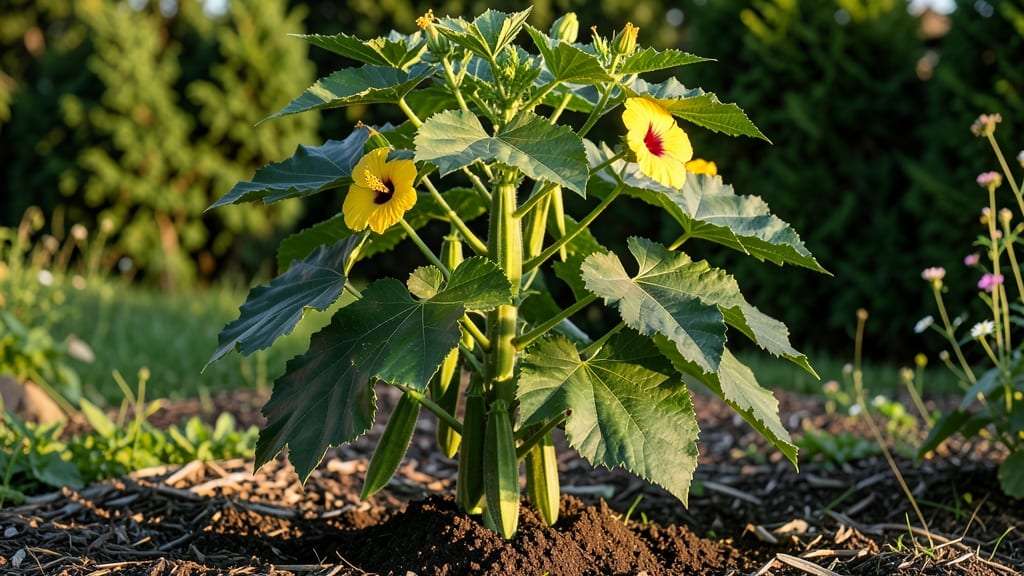
If you're wondering how tall do okra grow, you might be surprised to learn these plants can reach heights that rival small trees—some varieties stretching up to 10 feet tall!
Whether you're working with limited garden space or dreaming of a bountiful harvest, understanding okra's growth potential is the first step to planning your summer garden successfully.
🌱 The height of your okra plants depends entirely on the variety you choose, with some reaching towering heights while others stay compact. For example, popular varieties like 'Clemson Spineless' can grow 6-10 feet tall, while dwarf varieties like 'Burgundy' stay under 3 feet.
This means you can easily adapt okra to fit your space, whether you're growing in containers or a full backyard plot.
What many gardeners don't realize is that proper care—like pruning, staking, and consistent watering—can influence how tall your okra grows. Without intervention, these plants can become unruly, but with the right techniques, you can manage their height while maximizing your yield.
Let's explore how to choose the right variety and care for it to get the best results from your okra plants.
From selecting the perfect variety for your garden size to learning when and how to harvest for continuous growth, this guide will help you make the most of your okra plants.
Whether you're a beginner or a seasoned gardener, these insights will ensure your okra thrives—no matter how tall it grows!

Okra height variations: giant vs dwarf varieties explained
Okra plants can range from 3-foot dwarf varieties to towering 10-foot giants, making height one of the first factors to consider when planning your garden layout. The difference isn't just about space—it also affects how you'll harvest, support, and maintain your plants.
Understanding these variations helps you choose the right variety for your growing conditions and available space.
Most okra varieties fall into three height categories: dwarf (3-4 ft), semi-dwarf (4-6 ft), and standard (6-10 ft). Dwarf varieties are ideal for containers or small gardens, while standard types thrive in large plots or rural settings.
The height you'll see depends on both the variety and growing conditions like sunlight, soil quality, and pruning practices.
Here’s how the most popular varieties compare in terms of height and growth habits:
| Variety | Height Range | Growth Habit | Best For |
|---|---|---|---|
| Clemson Spineless | 6-10 ft | Tall, bushy, upright | Large gardens, rural plots |
| Emerald | 5-8 ft | Semi-dwarf, compact | Balconies, small yards |
| Burgundy | 4-6 ft | Dwarf, bushy | Containers, urban gardens |
| Jinchan | 3-5 ft | Dwarf, spreading | Small spaces, trellises |
If you're growing okra in containers or small spaces, prioritize dwarf varieties like 'Burgundy' or 'Jinchan'. These stay under 5 feet and produce abundant pods without overwhelming your garden.
For larger plots, 'Clemson Spineless' is a classic choice, but be prepared for plants that can reach 10 feet or taller if left unpruned.
One key factor influencing height is genetics and variety selection. Some okra plants naturally grow taller due to their breeding, while others are bred to stay shorter. Even within the same variety, factors like soil fertility, sunlight exposure, and pruning can affect how tall your plants become.
For example, over-fertilizing with nitrogen can lead to lush foliage but fewer pods, while pruning side shoots encourages vertical growth.
For urban gardeners or balcony growers, consider trellising or staking even dwarf varieties. Okra vines can sprawl if unsupported, and guiding them upward saves space and makes harvesting easier.
Use bamboo stakes or wire cages to support plants, especially if you're growing in pots where roots have less room to anchor.
Another consideration is climate and growing season length. In hotter climates, okra tends to grow taller and faster due to longer daylight hours. In cooler regions, plants may stay shorter but produce pods more slowly.
If you're in a short growing season, choose semi-dwarf varieties like 'Emerald' to maximize your harvest before the first frost.
Pro tip: If you're unsure about height, start with one tall and one dwarf variety in your garden. This lets you compare growth habits firsthand and see which works best for your space and preferences.
You might discover that taller varieties yield more pods but require more maintenance, while dwarf types are easier to manage but produce fewer overall.
Finally, remember that height isn’t the only factor—pod production, disease resistance, and flavor also vary by variety. Balance your choices between space constraints and yield goals to create the perfect okra patch for your garden. 🌱
Okra height variations: giant vs dwarf varieties explained
Okra plants can range from 3-foot dwarf varieties to towering 10-foot giants, making height one of the most important factors when planning your garden layout. The difference between these extremes isn't just about space—it also affects yield, maintenance, and even how you harvest.
Understanding these variations helps you choose the right variety for your growing conditions and available space.
Most okra varieties fall into three height categories: dwarf (3-4 ft), semi-dwarf (4-6 ft), and standard (6-10 ft). Dwarf varieties are ideal for containers or small gardens, while standard types dominate larger plots.
The height you'll see depends on both the variety and growing conditions, like sunlight, soil, and pruning habits.
Here’s how three popular varieties compare in terms of height and growth habits:
| Variety | Mature Height | Growth Habit | Best For |
|---|---|---|---|
| Clemson Spineless | 6-10 ft | Tall, upright, prolific | Large gardens, high yields |
| Emerald | 4-6 ft | Semi-dwarf, bushy | Containers, small plots |
| Burgundy | 3-4 ft | Compact, bushy | Urban gardens, balconies |
Taller varieties like Clemson Spineless produce more pods but require ample space and support to prevent flopping. In contrast, Burgundy or Emerald varieties stay shorter, making them perfect for small spaces or containers while still delivering a steady harvest.
If you’re growing in a warm climate, taller varieties thrive with minimal care, while cooler regions may benefit from shorter, more manageable types.
Height isn’t just about the plant’s genetics—pruning and trellising can also influence how tall your okra grows. For example, pinching back the top growth of a tall variety can encourage bushier growth and prevent it from becoming too leggy.
Meanwhile, dwarf varieties rarely need pruning but benefit from regular harvesting to keep them productive.
When selecting okra for your garden, consider both the mature height and your harvesting style. Tall varieties yield more pods but require more space and maintenance, while dwarf types are low-maintenance and great for beginners.
No matter which you choose, consistent watering and full sun are non-negotiable for healthy growth.