
Trees
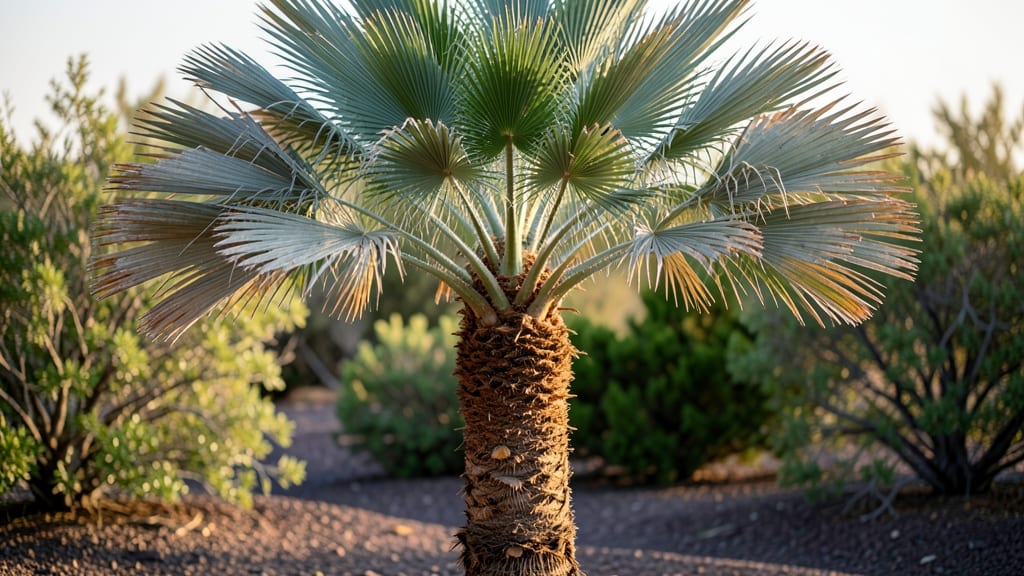
If you’ve ever wondered how tall palm trees grow in California, you’re not alone—these towering beauties can range from modest 10-foot shrubs to 100-foot skyscrapers, depending on the species and where you plant them. 🌴 Whether you’re dreaming of a coastal retreat with swaying California Fan Palms or a desert oasis with hardy Mexican Fan Palms, knowing their mature heights helps you pick the perfect fit for your space.
California’s diverse climate—from foggy coastal zones to scorching inland deserts—plays a huge role in how fast and tall these palms grow.
In USDA Zone 10 (like coastal areas), species like the Canary Island Date Palm can shoot up to 60 feet in just a few decades, while inland desert varieties might stay shorter due to water constraints. The key? Matching your palm to your microclimate for the best results.
But here’s the thing: not all palms are created equal. Some, like the Pygmy Date Palm, max out at 15 feet, making them ideal for small yards or containers, while others, like the Mediterranean Fan Palm, can reach 30 feet in ideal conditions.
I’ll break down the most popular varieties, their growth rates, and how to estimate their future height before you even plant them.
Ready to turn your garden into a palm paradise? Let’s dive into the heights, growth tips, and the best species for your California home—so you can plant with confidence and watch your 🌴 dream grow tall.

California palm tree height ranges by native species
Choosing the right palm tree for your California garden starts with understanding their mature height ranges. Native and commonly grown species vary from compact coastal varieties to towering desert giants, each thriving in different microclimates.
Let’s explore the height expectations for California’s most popular palms, including how regional climate affects growth.
California’s USDA Zones 9-11 create ideal conditions for palms, but coastal humidity (Zone 10) and inland desert heat (Zone 9b) influence growth rates.
For example, a California Fan Palm in San Diego may reach 60 feet, while the same species in Palm Springs might max out at 40 feet due to water availability.
Here’s a quick comparison of California’s most iconic palms and their expected mature heights, including growth rates and regional variations:
The California Fan Palm and Mexican Fan Palm are the tallest native options, often dominating landscapes with their 60-100-foot stature. If you’re in a coastal city like Los Angeles, these giants thrive with regular watering and well-draining soil.
In contrast, desert climates like Palm Springs slow their growth due to water scarcity, capping heights at 40-60 feet.
For smaller spaces, the Pygmy Date Palm and Mediterranean Fan Palm are excellent choices, maxing out at 15 feet and 30 feet, respectively. These dwarf varieties are perfect for patios, balconies, or urban gardens where space is limited. Their slower growth rates also make them easier to manage long-term.
When selecting a palm, consider not just height but also trunk diameter and leaf span, as these factors contribute to the tree’s overall visual impact. For instance, a Canary Island Date
Fastest-growing vs Slowest-growing palm trees in California
Not all palm trees grow at the same pace in California’s diverse climates. Some species shoot up 3-5 feet per year in ideal conditions, while others take decades to reach their full height.
Coastal humidity can accelerate growth, while inland desert heat may slow it down. Understanding these growth rates helps you plan for space and patience in your garden.
If you’re eager to see quick results, the Canary Island Date Palm is one of the fastest growers in California. In perfect conditions, it can add up to 5 feet annually during its first decade.
This makes it ideal for homeowners who want a dramatic tropical look without waiting decades. However, its rapid growth also means it’ll quickly outgrow smaller yards.
On the opposite end, the California Fan Palm grows at a more leisurely pace, typically adding just 1-2 feet per year. This native species is well-suited for inland areas where water is scarce.
Its slower growth rate makes it a better choice for smaller spaces or if you prefer a more manageable tree over time.
Climate plays a huge role in growth rates. Coastal areas like San Diego or Santa Barbara provide ideal humidity for faster growth, while inland deserts like Palm Springs or Joshua Tree can stunt growth due to extreme heat and dry conditions.
If you live in a desert climate, consider drip irrigation to simulate coastal moisture and encourage healthier, faster growth.
For homeowners in USDA Zones 9-11, the Mediterranean Fan Palm strikes a balance with moderate growth rates of 2-3 feet per year. It’s drought-tolerant yet fast enough to provide quick visual impact.
Pair it with slower-growing species like the California Fan Palm for a layered, textured landscape that evolves over time.
Remember, even the fastest-growing palms need proper care. Consistent watering, well-draining soil, and regular fertilization (especially in spring and fall) will maximize growth potential. Avoid overwatering, which can lead to root rot and stunted growth—even for the speediest species.