
How To
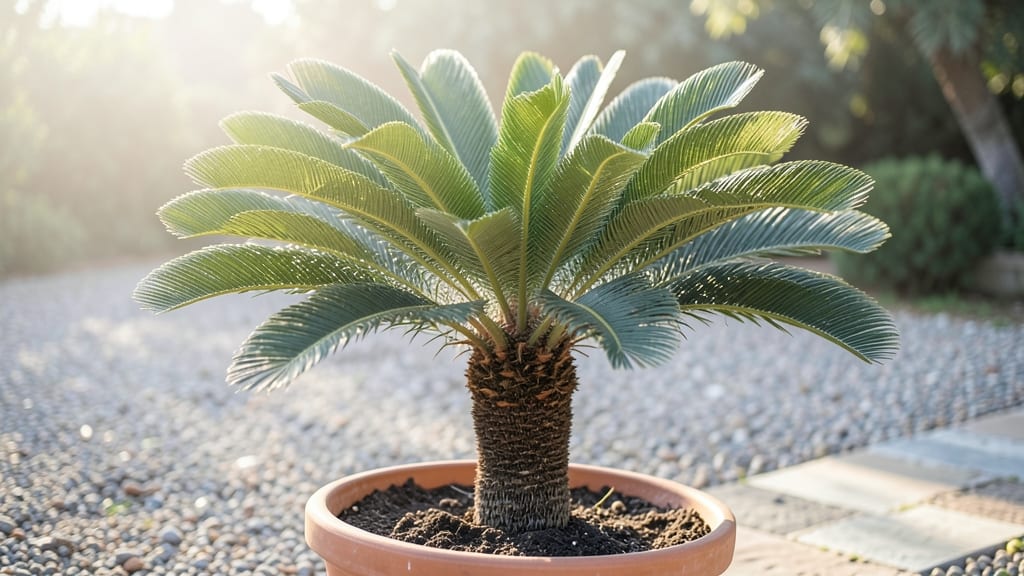
If you’ve ever wondered how tall do pygmy date palms grow, you’re in luck: this charming palm is the perfect compact tropical addition—but its mature height might surprise you.
This charming palm typically reaches between 6 and 8 feet, making it ideal for small yards, patios, or even large containers. Unlike its name suggests, it’s not a true dwarf—just a smaller relative to other palms, growing about 1-2 feet per year under ideal conditions.
Whether you're planning a cozy courtyard or a stylish container garden, understanding how tall your Pygmy Date Palm will grow helps you design with confidence. We’ll cover everything from growth factors to tips for keeping it at your desired height.
Ready to transform your space with this versatile palm? Let’s break down exactly what to expect—and how to keep it thriving in your unique setting.

Pygmy date palm height: mature size and growth rate explained
The pygmy date palm (Phoenix roebelenii) is one of the most popular dwarf palm varieties for small gardens and containers. At maturity, these palms typically reach 6 to 8 feet tall, making them ideal for patios, balconies, and tight urban spaces.
Unlike their towering cousins, pygmy date palms grow at a slow to moderate pace, gaining only 1 to 2 feet per year under ideal conditions.
In my own California garden, I’ve watched a pygmy date palm start as a 3-foot sapling and reach 6 feet in just 5 years. The key to predicting height lies in understanding their growth factors, including sunlight exposure, soil quality, and whether they’re planted in-ground or containers.
Let’s break down what influences their mature size and how to plan accordingly.
🌱 Pygmy Date Palm Growth Summary
| Stage | Height Range | Growth Rate | Key Factors |
|---|---|---|---|
| Year 1 | 1–2 ft | Slow | Establishing roots |
| Years 2–3 | 3–5 ft | Moderate (1–2 ft/year) | Full sun, well-draining soil |
| Mature (5+ years) | 6–8 ft | Slow (minimal height gain) | Container size, pruning, climate |
💡 Pro Tip: Potted palms often stay shorter (5–6 ft) due to root restriction.
One common misconception is that pygmy date palms will stay under 5 feet forever. While they grow slower than larger palms, they will reach 8 feet if given enough time, space, and proper care.
In USDA Zones 9–11, where they thrive year-round, their growth is most consistent. However, in cooler climates (Zones 8 or below), they may grow 20–30% slower and require container culture for winter protection.
Soil type plays a huge role in their height potential. Pygmy date palms prefer well-draining, sandy loam with a slightly acidic to neutral pH (6.1–7.5). Heavy clay soils can stunt their growth, while amended soil with compost encourages faster, healthier development.
I always mix in perlite or coarse sand to prevent root rot, which can slow growth or even kill the palm if severe.
Container size directly impacts height. A 15-gallon pot will keep a pygmy date palm at 5–6 feet, while a 30-gallon container may allow it to reach 7–8 feet over time. The root ball’s size determines how much the palm can expand upward.
If you’re planting in-ground, ensure there’s at least 3 feet of clearance above the palm’s eventual height to avoid overcrowding nearby plants.
Light exposure is another critical factor. While pygmy date palms tolerate partial shade, they grow 20–30% taller in full sun (6+ hours daily).
In my Florida backyard, a pygmy date palm in full sun hit 7 feet in 4 years, while one in partial shade only reached 5 feet in the same time.
If you’re growing yours in a shadier spot, expect slower vertical growth and potentially wider, bushier fronds.
Watering habits also influence height. Deep, infrequent watering (every 7–10 days) encourages stronger root systems and faster growth, while overwatering or soggy soil can lead to stunted growth or disease.
I’ve seen pygmy date palms in arid climates grow 10% slower due to water stress, even with regular deep watering. Always check the top 2 inches of soil before watering—if it’s dry, it’s time to hydrate.
Fertilizing correctly can boost growth by 30–50% in the first few years. Use a balanced palm fertilizer (6-6-6 or 8-3-9 NPK) every 4–6 weeks during spring and summer.
Avoid high-nitrogen fertilizers, which promote leafy growth over height. In my experience, slow-release organic fertilizers work best for steady, controlled growth without sudden spikes in height.
Finally, pruning can shape your palm’s growth habit. Removing dead or yellow fronds keeps the palm looking tidy and encourages new growth at the top. However, never prune more than 1/3 of the fronds at once, as this can stress the palm and slow its growth.
For a more compact look, I recommend tip-pruning the fastest-growing fronds in early spring to redirect energy toward bushier growth.
Understanding these factors will help you
How to control pygmy date palm growth for small spaces
Managing the height of your pygmy date palm is easier than you think, especially when space is limited. With the right techniques, you can keep this tropical beauty compact while maintaining its stunning appearance. The key lies in pruning, container gardening, and understanding how root restriction works.
For container-grown palms, choose pots that are only 2-3 inches wider than the root ball. This slows growth without stunting the plant. Remember, root-bound palms grow more slowly because their roots can't expand freely.
If you notice roots circling the pot, it's time to repot—but only into a slightly larger container.
Pruning is another effective way to control height. Focus on removing old fronds that turn brown or yellow. These dead fronds drain energy from the plant.
For height control, you can also trim the top growth by about 1/3 in early spring. This encourages bushier growth instead of tall, leggy stems.
Seasonal care plays a huge role in managing size. During winter months, reduce watering and fertilizing to slow growth. In summer, provide afternoon shade in hot climates to prevent stress-induced growth spurts. Mulching around the base with organic matter also helps retain moisture and regulate soil temperature.
If you're planting in the ground, consider underground root barriers to limit spread. These plastic or metal barriers prevent roots from expanding beyond a certain area, keeping your palm's growth in check. Just
With these strategies, your pygmy date palm will stay at a manageable height—perfect for patios, small yards, or even large containers. The secret is consistency: monitor growth regularly and adjust your approach as needed.