
How To
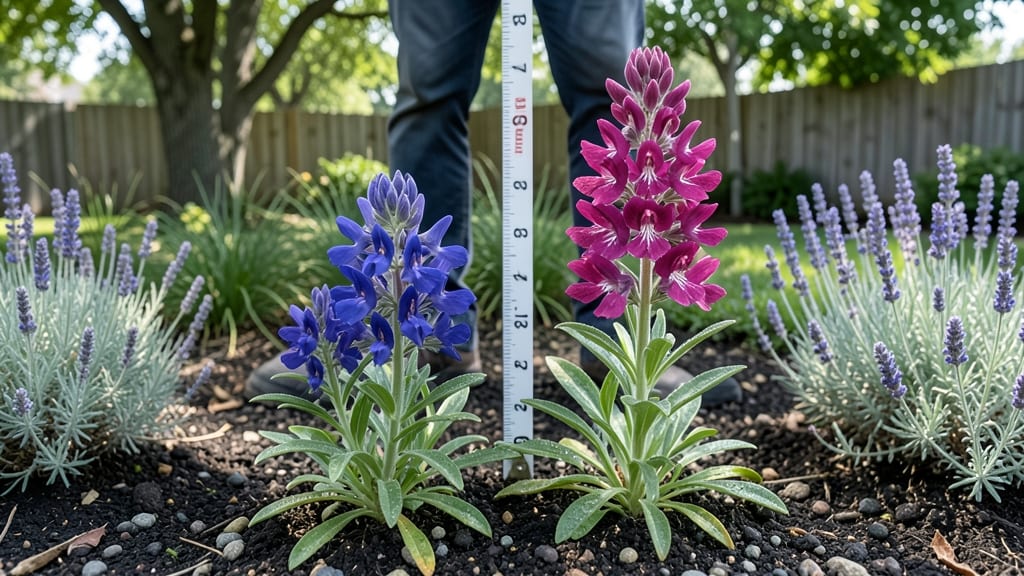
Wondering how tall do penstemon grow before you plan your garden layout? These vibrant bloomers can be as petite as a child's hand or tower like a wildflower sentinel—it all depends on the variety you choose.
From the delicate 6-inch alpine varieties perfect for rock gardens to the 4-foot stalwarts that thrive in meadows, penstemon offers surprising height diversity. Whether you're designing a cottage garden or a pollinator-friendly border, understanding these growth ranges helps you create the perfect visual impact.
Sunlight, soil quality, and even pruning techniques can influence how tall your penstemon grows. I'll show you how to encourage the exact height you want—whether that means keeping them compact or letting them reach their full dramatic potential.
Let's explore the different penstemon species and how to select the perfect height for your garden vision, so you can enjoy these stunning 🌸 flowers at just the right scale for your space.

Penstemon height ranges by species: from ground-hugging to 5-Feet tall
When selecting penstemon for your garden, height isn't one-size-fits-all. These plants span a 6-inch to 5-foot spectrum, with each variety offering unique structural benefits. Understanding these ranges helps you choose the perfect height class for your design—whether you need a rock garden accent or a pollinator-friendly meadow backbone.
The shortest penstemon varieties, like Penstemon strictus (Alpine Penstemon), stay under 6 inches tall, making them ideal for alpine gardens or container displays. Meanwhile, tall wildflower types like Penstemon spectabilis (Showy Penstemon) can reach 3 to 5 feet, perfect for adding vertical interest to borders or cottage gardens.
Most garden penstemon varieties fall between 1 and 3 feet at maturity, striking a balance between manageable size and bold presence. For example, Penstemon digitalis (Foxglove Penstemon) typically grows 2 to 3 feet tall, while Penstemon barbatus (Beard Tongue) often maxes out around 2 feet.
Here’s how penstemon height breaks down by species group, including regional favorites and their mature sizes:
Native penstemon species also vary by region. For example, Penstemon laevigatus (Smooth Penstemon), native to the Southwest, typically grows 1 to 2 feet tall, while Penstemon hirsutus (Hairy Penstemon) from the Rocky Mountains can reach 2 to 3 feet.
These regional differences mean you can often find locally adapted varieties that thrive with minimal care.
If you're designing for pollinators, taller varieties like Penstemon spectabilis provide landing platforms for bees and hummingbirds, while shorter types like Penstemon eatonii offer ground-level nectar access. Mixing heights creates a dynamic pollinator menu that supports a wider range of visitors.
For container gardening, stick to dwarf or semi-dwarf varieties like Penstemon strictus or Penstemon barbatus. These stay compact enough for 10–12 inch pots while still delivering bold color and long bloom times. Just ensure your container has drainage holes—penstemon hates soggy roots.
When planning garden beds, consider mature height and spread. Taller penstemon like Penstemon spectabilis should go toward the back of borders, while shorter types can edge pathways or fill gaps between shrubs and perennials.
Pro tip: Leave 12–18 inches of space between plants to prevent crowding and improve airflow.
First-year growth is often half the mature height, so give young plants room to expand. For instance, a 2-foot penstemon may only reach 1 foot in its first season. This gradual growth makes them low-maintenance compared to fast-growing annuals.
🌸
Factors that influence Penstemon growth height (and how to control it)
Penstemon height isn’t set in stone—it’s a delicate balance between genetics, growing conditions, and a little gardener guidance. While some varieties have innate size limits (like Penstemon strictus maxing at 6 inches), others respond dramatically to your care routine.
Understanding these factors lets you coax shorter rock-garden specimens or encourage taller border plants for dramatic impact.
Sunlight is the #1 height regulator for penstemon. Full sun (6+ hours/day) triggers vigorous growth, while partial shade keeps plants compact—ideal for dwarf varieties. My Penstemon digitalis in a north-facing border stayed under 2 feet, while identical plants in a sunny meadow reached 3 feet.
The difference? Light exposure directly fuels stem elongation.
Soil drainage plays a surprising role. Heavy clay stunts growth by stressing roots, while sandy loam encourages taller, more robust stems. I once saw Penstemon barbatus grow 20% taller in amended soil with perlite.
Always test your soil’s drainage rate—penstemon hates soggy feet. Amend with compost or grit if needed.
Watering habits also sneakily affect height. Overwatering triggers leggy growth as plants stretch toward light, while drought conditions produce shorter, stockier stems. My Penstemon spectabilis in containers grew 18 inches tall with regular watering but only 12 inches when I cut back to weekly deep soaks.
Consistency is key—never let them dry out completely, but avoid keeping soil soggy.
Pruning isn’t just for tidiness—it’s a height control tool. After the first flush of blooms, snip back 1/3 of each stem to encourage bushier growth. This works especially well for tall varieties like Penstemon palmeri, which can reach 5 feet without pruning.
I’ve seen unpruned specimens flop over in heavy rains, while pruned plants stay compact and flower prolifically.
Finally, fertilizing timing matters. A spring feeding with low-nitrogen fertilizer (5-10-10) promotes root growth over stem elongation. Skip summer feeding—too much nitrogen late in the season can lead to taller, weaker stems that flop.
My Penstemon eatonii stayed under 2 feet when I followed this rule, while over-fertilized neighbors stretched to 3 feet with floppy blooms.