
How To
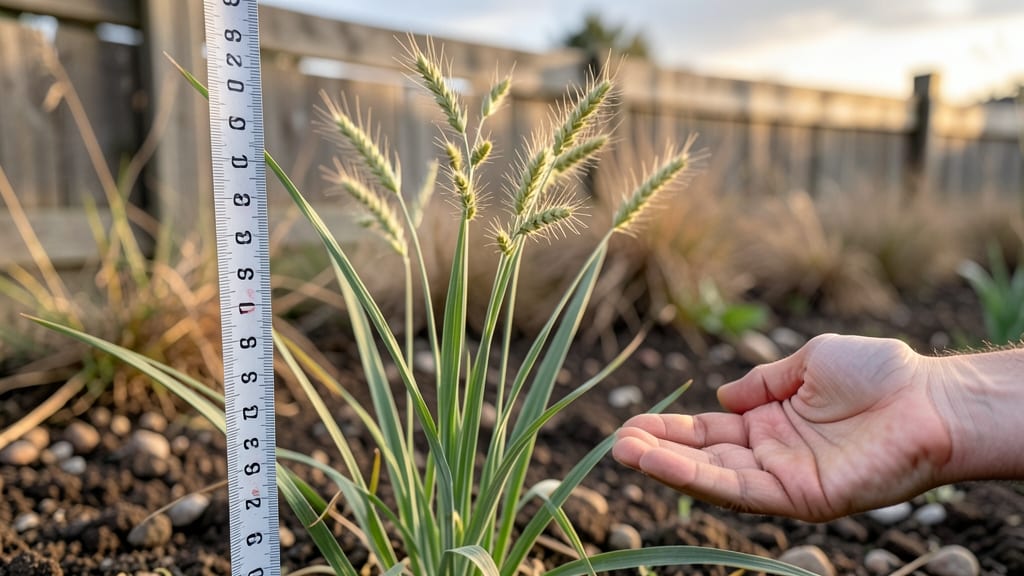
If you're wondering how tall does oat grass grow, the answer might surprise you—this versatile grass can reach heights of 4 to 5 feet under ideal conditions, making it a standout choice for erosion control, ornamental gardens, or even livestock feed.
Unlike some delicate plants, oat grass thrives in zone 6a and beyond, adapting to various climates while still hitting impressive heights when given the right care.
But here’s the thing: not all oat grass varieties grow equally tall. Some dwarf types stay between 1 to 2 feet, perfect for smaller gardens or borders, while standard varieties can tower over your head.
Whether you're planting in spring (March-April) or using it as a cover crop, knowing the exact height range helps you plan spacing, sunlight exposure, and even harvest timing for the best results.
What really determines oat grass’s height? Soil quality, sunlight, and watering habits play a huge role. Too much shade or poor drainage can stunt its growth, while rich soil and consistent moisture can push it toward its full potential.
I’ll break down the factors that influence its size—and how you can control it—so you can get the exact look you want, whether that’s a lush, tall backdrop or a neatly trimmed border.
Ready to grow oat grass that fits your space perfectly? Let’s dive into the details so you can make the most of this hardy, fast-growing grass—no guesswork required.

Oat grass height by variety: exact growth ranges for common types
Oat grass (Avena spp.) comes in a variety of heights depending on the specific type and growing conditions.
If you're planning to use it for erosion control, livestock forage, or as an ornamental grass, knowing the exact height range helps you choose the right variety for your space.
Most oat grass varieties reach maturity between 1 and 5 feet, but some dwarf cultivars stay as short as 12 inches.
For example, common oat (Avena sativa), widely used in agriculture, typically grows 3 to 5 feet tall, making it ideal for fields or large gardens.
On the other hand, ornamental varieties like black oat (Avena strigosa) often stay between 1.5 and 3 feet, perfect for borders or small landscapes. These differences in height are crucial for planning your garden layout.
Here’s a quick comparison of the most popular oat grass varieties and their mature heights:
If you're growing oat grass for livestock forage, taller varieties like common oat will provide the most biomass. However, for landscaping or small gardens, dwarf or semi-dwarf varieties are ideal because they won’t overwhelm your space.
Always check the seed packet for specific height ranges, as some hybrid varieties may vary slightly.
Another factor to consider is whether you’re growing oat grass as an annual or perennial. Most varieties are annuals, meaning they complete their life cycle in one growing season and reach full height by late summer.
Perennial types, like some ornamental varieties, may take longer to establish but can grow taller over multiple years if given proper care.
For instance, if you plant common oat in early spring, it will likely reach its full height of 4–5 feet by mid-summer. In contrast, a dwarf variety might only reach 18 inches by the same time.
This difference is critical when planning for windbreaks, privacy screens, or ground cover in your garden.
When selecting oat grass for your garden, also consider its spread potential. Taller varieties like common oat can spread aggressively, while dwarf types stay more contained. If you're using it for erosion control on slopes, a taller variety with a dense root system will work best.
For container gardening or small borders, a dwarf variety will save space and maintenance.
One common mistake gardeners make is assuming all oat grass varieties grow the same height. This can lead to overcrowding or underutilized space. For example, planting common oat in a small garden will quickly become unmanageable, while a dwarf variety might not provide enough coverage for erosion control.
Always match the variety to your specific needs and space constraints.
If you’re unsure which variety to choose, start with a mix of heights to test how they perform in your climate and soil conditions. This way, you can observe which types thrive best and adjust your planting plan accordingly.
For example, in cooler climates, oat grass may grow taller due to longer growing seasons, while in hot, dry regions, it might stay shorter unless given extra water.
Finally, remember that oat grass height can vary slightly based on growing conditions, even within the same variety. Providing adequate sunlight, water, and nutrients will help your plants reach their full potential height, while poor conditions may result in stunted growth.
With the right care, you can achieve the exact height you need for your garden’s goals.
Factors that determine oat grass height: soil, climate, and care
Oat grass (Avena sativa) height isn’t set in stone—it varies based on soil quality, climate conditions, and care practices. Understanding these factors helps you optimize growth for your specific goals, whether you’re aiming for tall biomass or controlled ornamental height.
Let’s break down what truly influences how tall your oat grass will grow.
Sunlight exposure is the most critical factor. Oat grass thrives in full sun (6-8 hours daily), where it can reach its maximum height of 4-5 feet. In partial shade (3-5 hours of sun), expect dwarfed growth (1-2 feet), making it ideal for smaller gardens or shaded areas. If you’re growing oat grass for livestock feed, prioritize sunny spots to maximize yield.
Soil type plays a surprising role. Well-draining, loamy soil promotes taller, stronger growth, while clay-heavy or waterlogged soil can stunt oat grass to under 3 feet. Amend heavy soil with compost or sand to improve drainage and encourage optimal height.
Sandy soil, on the other hand, may require more frequent watering to prevent drought stress, which can limit height.
🌱 Key Factors for Oat Grass Height
- Sunlight: Full sun = 4-5 ft | Partial shade = 1-2 ft
- Soil: Loamy soil = optimal growth | Clay/sandy = stunted growth
- Water: Deep soaks every 3-5 days | Overwatering = weak stems
- Fertilizer: Balanced 10-10-10 boosts height by 20-30%
Pro Tip: Test soil pH (ideal: 6.0-7.5) to avoid nutrient deficiencies that limit height.
Watering habits directly impact height. Deep, infrequent watering (every 3-5 days) encourages taller, sturdier stems, while shallow, frequent watering can lead to weak, leggy growth under 3 feet.
In hot climates, increase watering to every 2-3 days to prevent drought stress. Conversely, overwatering can cause fungal issues and stunt growth, so always ensure well-draining soil.
Fertilization can significantly boost height. A balanced 10-10-10 fertilizer applied every 4-6 weeks during the growing season (spring to early summer) can increase mature height by 20-30%. For ornamental varieties, use half the recommended dose to prevent excessive growth.
Avoid fertilizing in fall or winter, as oat grass enters dormancy and doesn’t benefit from nutrients.
Climate also shapes height expectations. In cooler climates (USDA Zones 3-6), oat grass may grow slower but taller (4-5 ft) due to longer growing seasons.
In warmer climates (Zones 7-10), it may reach maturity faster but stay shorter (2-3 ft) if stressed by heat. Wind exposure can also play a role—sheltered areas produce taller, denser growth, while windy spots may result in leaning stems and reduced height.
For height control, mow or harvest oat grass at half its mature height to encourage bushier, shorter regrowth. This is especially useful for ornamental beds or small gardens where 4-5 ft towers aren’t practical.
Regular maintenance keeps oat grass manageable while still benefiting from its erosion-control and wildlife-supporting qualities.