
Trees
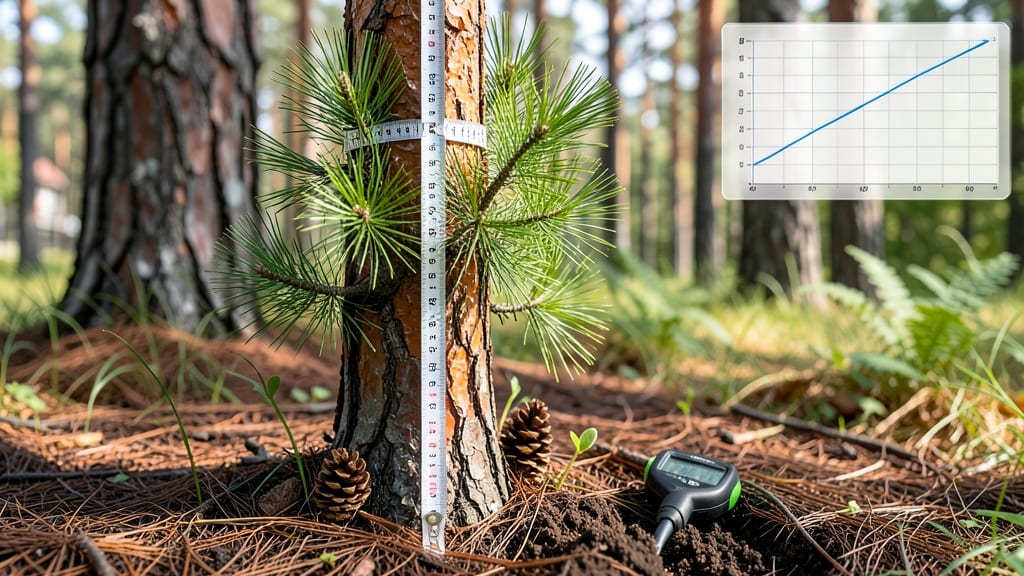
If you’ve ever wondered how tall do pine trees grow in a year, you’re not alone—many gardeners assume these evergreens creep along at a snail’s pace.
But some species can shoot up 3 feet or more annually, turning your backyard into a towering forest in just a few seasons.
The key lies in choosing the right species—fast growers like the Ponderosa or Lodgepole pine can outpace slower varieties by 2-3 times. Whether you’re planting for privacy or just love the look of a 🌲 reaching for the sky, knowing these growth rates helps set realistic expectations.
Climate, soil quality, and care all play a role in how quickly your pine tree climbs. In ideal conditions—like USDA Zone 6a—you might see dramatic height gains, but even mature trees slow down as they age.
Let’s break down the fastest growers and how to give yours the best shot at sky-high success.
Ready to transform your landscape? I’ll share the secrets to maximizing growth—from planting tips to seasonal care—so you can watch your pine tree soar in no time.

Fastest-growing pine tree species and their annual height gains
Pine trees are known for their majestic height, but their growth rates can surprise even seasoned gardeners. Some species shoot up 3 feet per year in ideal conditions, while others creep along at just 6 inches annually.
The key difference? Genetics, climate, and care. Let’s break down the fastest-growing pines to help you choose—or grow—a towering tree in your backyard.
If you’re dreaming of a 100-foot pine in a decade, focus on the speedy growers like the Lodgepole Pine or Ponderosa Pine. These species thrive in the right conditions and can add 2-3 feet annually during their prime growth years.
But remember: early growth is rapid, while maturity slows progress dramatically.
Here’s the hard truth: most pines grow fastest in their first 10 years. After that, their growth rate drops by 50-70%. This is why planning matters—planting a Virginia Pine now could mean a 50-foot tree in 20 years, not overnight.
The Lodgepole Pine is the undisputed speed champion, often growing 3 feet in a single year when conditions are perfect. This makes it ideal for gardeners with patience and space—imagine a 60-foot tree in just 20 years!
However, its rapid growth means it may need staking or pruning early to prevent weak trunks.
For slower but steady growth, the Eastern White Pine is a fantastic choice. It’s adaptable, tolerates a range of soils, and can still reach 50 feet in 25 years. Its 1-2 feet of annual growth makes it manageable for smaller yards while still delivering impressive height over time.
Climate plays a huge role in growth rates. Pines in USDA Zones 3-7 (cold climates) often grow faster in spring and summer due to longer daylight hours. Meanwhile, pines in Zones 8-10 may grow more slowly year-round but can still thrive with proper care.
Soil drainage is non-negotiable. Pines hate soggy roots, which can stunt growth or even kill the tree. Amend heavy clay soil with sand or gravel to improve drainage. A well-draining site can boost annual growth by 20-30% in the first few years.
Pro tip: If you’re planting a pine for privacy or shade, choose a species with a dense canopy, like the Scotch Pine. Its 1-1.5 feet of annual growth combined with its hardy nature makes it a top pick for windbreaks or large landscapes.
Remember, growth rates are averages. A drought, pest infestation, or poor soil can slash a pine’s growth by 50% or more. But with the right species and care, you’ll be watching your pine tree reach for the sky in no time.
Fastest-growing pine tree species and their annual height gains
If you're dreaming of a towering pine tree that grows 3 feet or more annually, you're in luck—some species deliver rapid vertical growth while others take their time.
The Ponderosa pine and Lodgepole pine are among the fastest, with young trees shooting up 12-24 inches per year under ideal conditions. These growth rates can double in the first 5-10 years before slowing as the tree matures.
For gardeners with limited space, dwarf varieties like 'Mugo pine' grow just 6-12 inches yearly but stay compact, making them perfect for hedges or containers. Meanwhile, Virginia pine averages 8-12 inches annually, striking a balance between speed and manageable size.
Understanding these rates helps set realistic expectations—especially if you're comparing your slow-growing Scotch pine to a neighbor’s fast-tracked Ponderosa.
| Species | Annual Growth (Young Trees) | Mature Height | Ideal Conditions |
|---|---|---|---|
| Ponderosa Pine | 12-24" | 100-200 ft | Full sun, well-drained soil |
| Lodgepole Pine | 10-18" | 60-100 ft | Cool climates, sandy soil |
| Virginia Pine | 8-12" | 50-70 ft | Adaptable, drought-tolerant |
| Mugo Pine (Dwarf) | 6-12" | 10-20 ft | Partial shade, containers |
| Scotch Pine | 4-8" | 40-60 ft | Full sun, rocky soil |
Climate plays a huge role in these growth rates. Ponderosa pines thrive in arid Western U.S. conditions, where they can grow 2 feet per year in their youth. Meanwhile, Eastern white pines grow slower—6-10 inches annually—due to cooler, wetter climates.
Even within a species, soil quality and water access can double or halve growth rates. For example, a Lodgepole pine in poor, compacted soil might only grow 4-6 inches per year compared to 12+ inches in loose, nutrient-rich dirt.
Age also shifts growth dynamics. Young pines prioritize height to compete for sunlight, while mature trees focus on width and cone production. A 10-year-old Ponderosa pine might hit 30-40 feet tall, but by age 50, its annual growth could drop to just 6-12 inches.
This shift explains why some gardeners see explosive early growth followed by frustrating plateaus—it’s not a mistake, it’s biology!
If you’re planting for quick shade or privacy, prioritize Ponderosa or Lodgepole pines in well-draining, sunny spots. For low-maintenance landscaping, Virginia or Mugo pines offer slower but steady growth with fewer surprises.
Just remember: patience is key—even the fastest pines take decades to reach their full height.
🌲