
How To
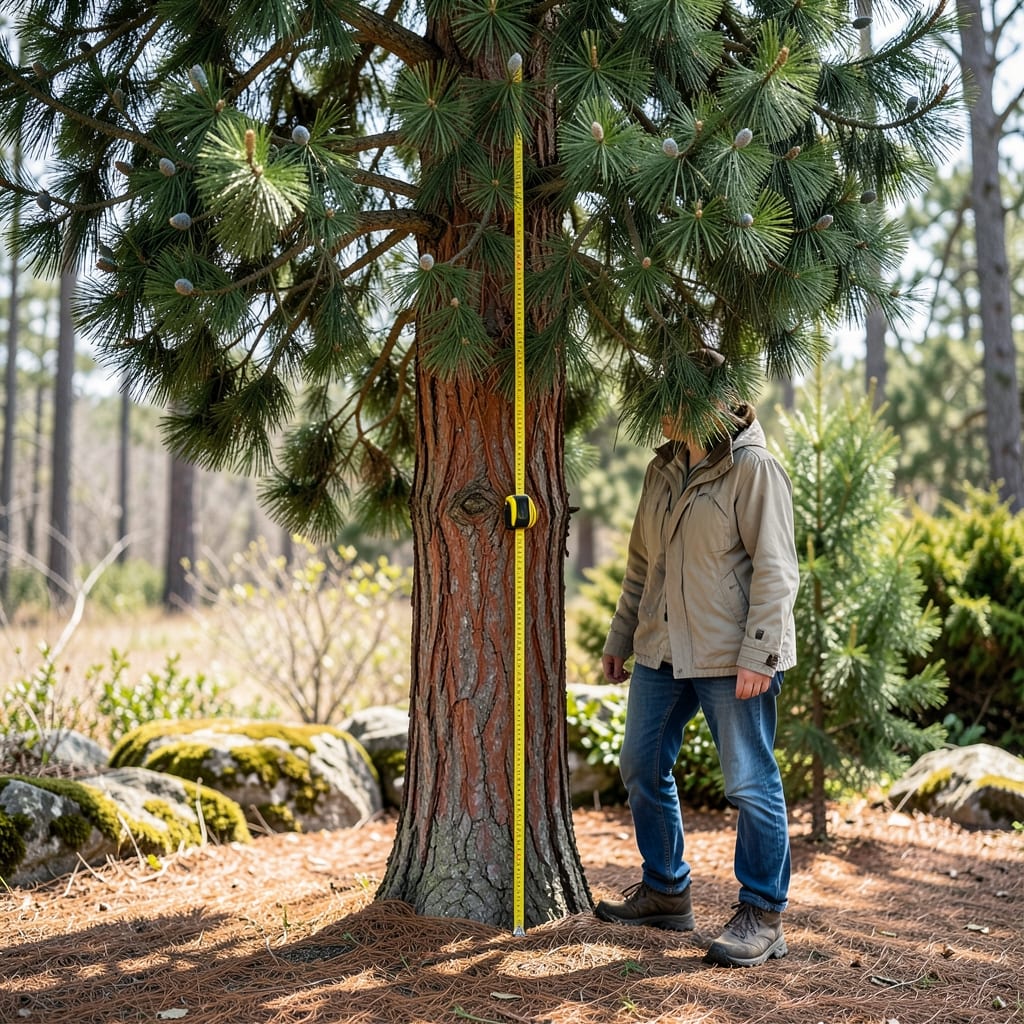
Wondering how tall can a cedar tree grow before it becomes a towering landmark in your yard? These evergreen giants can stretch from modest shrubs to sky-piercing sentinels, depending on the species and care you provide.
The majestic 🌲 cedar tree isn't one-size-fits-all—some varieties like the Eastern Red Cedar stay compact at 10-15 feet, while others like the Deodar Cedar can soar to 100 feet or more in ideal conditions. That means your choice of species could determine whether you're planting a small accent tree or a future backyard skyline.
But height isn't just about genetics—soil quality, sunlight exposure, and proper spacing play huge roles in how your cedar develops. Whether you're planning a privacy screen or a statement piece, understanding these factors will help you predict and control your tree's growth trajectory over time.
Let's break down the key differences between cedar species, the factors that influence their height, and practical tips to shape your tree's growth from the start. Your future landscape depends on it!


Cedar tree height Limits by species: from dwarf to giant varieties
When planning your garden or landscape, choosing the right cedar species is crucial—because how tall can a cedar tree grow varies dramatically. Some stay small enough for urban yards, while others become towering forest giants. Let’s explore the height ranges of popular cedar varieties so you can pick the perfect fit for your space.
The Eastern Red Cedar (Juniperus virginiana) is one of the most common backyard choices, typically reaching 30-40 feet at maturity. However, its growth habit is more columnar than others, making it ideal for narrow spaces. In optimal conditions, it can stretch up to 50 feet, but most gardeners keep it pruned for manageability.
For something more dramatic, the Deodar Cedar (Cedrus deodara) is a true giant, often soaring to 100 feet or more in its native Himalayan forests. Even in U.S. gardens, it can reach 60-80 feet with a broad, pyramid-shaped canopy. This species thrives in cooler climates but needs space to spread its branches.
If you’re looking for a dwarf cedar, the 'Green Pillar' cultivar of Eastern Red Cedar is a fantastic option, growing only 8-12 feet tall while maintaining a narrow, upright form. It’s perfect for small gardens or as a privacy screen along fences. Another compact choice is the Atlantic White Cedar (Chamaecyparis thyoides), which typically stays between 15-25 feet and has a more rounded shape.
The Atlas Cedar (Cedrus atlantica) strikes a balance, usually growing 40-60 feet tall with a broad, conical silhouette. Its silvery-blue foliage makes it a standout in landscapes, but it requires well-draining soil and full sun to reach its full potential. In urban settings, it’s often pruned to 25-30 feet to keep it manageable.
Now, let’s compare these species side by side to help you visualize their mature sizes and best uses in your garden.
| Species | Mature Height (ft) | Growth Habit | Best For |
|---|---|---|---|
| Eastern Red Cedar | 30-50 ft | Columnar | Privacy screens, urban yards |
| Deodar Cedar | 60-100+ ft | Pyramidal | Large estates, forest-like settings |
| 'Green Pillar' (Dwarf) | 8-12 ft | Narrow, upright | Small gardens, containers |
| Atlantic White Cedar | 15-25 ft | Rounded | Wet soils, naturalized areas |
| Atlas Cedar | 40-60 ft | Broad, conical | Landscape focal points |
Beyond species, regional climate plays a role in height. For example, cedars in USDA Zones 6-8 often grow taller than those in colder or hotter zones. The Eastern Red Cedar, native to the Midwest and East Coast, thrives in these zones and can reach its full height potential. Meanwhile, the Deodar Cedar may struggle in extreme heat, staying shorter unless given ideal conditions.
If you’re planting cedars for privacy or windbreaks, taller varieties like the Deodar or Atlas Cedar will provide the most coverage. However, if your yard is small, a dwarf cultivar or pruned standard cedar will save space without sacrificing beauty. Always check your local nursery for region-specific recommendations—some species may grow differently in your area.
Remember, even the tallest cedars start small. A 1-year-old sapling might only be 1-2 feet tall, but with proper care, it can grow 1-2 feet per year during its prime. Planning ahead for height is key to avoiding surprises down the road.
Factors that determine how tall your cedar tree will grow
When planning your cedar tree's future height, remember that genetics set the baseline, but your care determines how close it reaches that potential. The Eastern Red Cedar, for example, might grow 30-40 feet in ideal conditions, but poor soil or shade could keep it under 20 feet. Let's explore the key factors that influence your cedar's vertical ambitions.
First, soil quality plays a starring role. Cedar trees thrive in well-draining, slightly acidic soil (pH 5.0-7.0). Compacted or waterlogged soil stunts root growth, limiting height gains. Amending with compost or sand helps loosen heavy soils, while raised beds can transform poor ground into prime growing conditions for dwarf varieties like 'Green Pillar'.
Sunlight exposure directly impacts growth rates. Most cedars need full sun (6+ hours daily) to reach their maximum height. In partial shade, growth slows by 30-50%, resulting in shorter, bushier trees. For example, an Atlas Cedar might only reach 25 feet in partial shade instead of its 50-foot potential.
Your climate zone also shapes growth patterns. Cedar trees in USDA Zones 4-8 generally grow faster than those in colder or hotter extremes. Coastal cedars often grow taller due to moderate temperatures and consistent moisture, while inland varieties may develop slower but denser wood structures.
Growth Factor Comparison
✅ Growth Boosters
- Well-draining soil - Encourages deep root growth
- Full sun exposure - Maximizes photosynthesis
- Proper spacing - Reduces competition for nutrients
- Regular pruning - Directs energy upward
- Balanced fertilizer - Supports steady growth
❌ Growth Inhibitors
- Poor soil drainage - Causes root rot and stunted growth
- Shade conditions - Reduces growth by 30-50%
- Overcrowding - Limits nutrient access
- Improper pruning - Damages growth centers
- Excessive fertilizer - Burns roots and slows growth
Don't overlook pruning practices—they can dramatically influence height. Strategic pruning in late winter removes water sprouts and directs energy to the main trunk. For height control, prune the top third of branches to encourage upward growth. However, avoid heavy pruning on young trees (3 years old) as it can stress the developing structure.
Even container growth affects height potential. While cedars aren't typically bonsai trees, growing them in large containers (3+ feet deep) restricts root expansion, often keeping them 10-20 feet shorter than their in-ground counterparts. Choose dwarf cultivars like 'Emerald Sentinel' if you're working with limited space.
By understanding these factors, you can predict and control your cedar's growth trajectory. Whether you're aiming for a privacy screen or a landscape centerpiece, these insights will help you shape your tree's future—one season at a time. 🌳