
How To
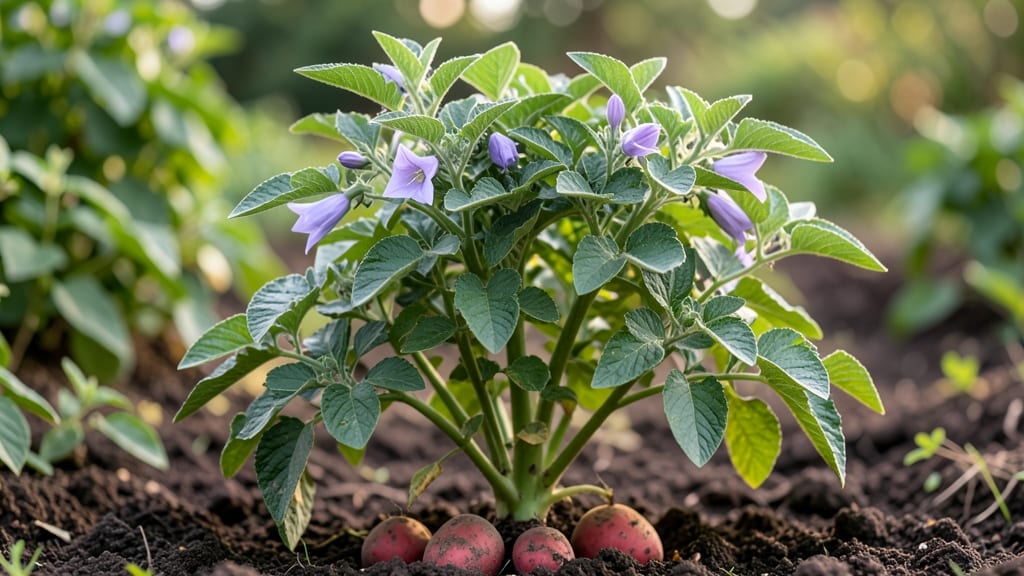
If you're planning to grow red potato plants 🥔 this spring, one of your first questions should be: how tall do red potato plants grow? The answer isn't one-size-fits-all—it depends on the variety, growing conditions, and even how you space them in your garden.
Most red potato varieties stay between 12 and 24 inches tall, but some bushier types like Red Pontiac can reach nearly 3 feet when fully mature. That's why knowing your specific variety's growth habit is the key to giving them the right space and care.
In this guide, I'll break down the exact height ranges for popular red potatoes, plus the spacing rules you need to follow for healthy growth. Whether you're working with fingerlings or larger tubers, these insights will help you avoid overcrowding and maximize your harvest.
Ready to grow potatoes that thrive? Let's dive into the details so you can plan your garden with confidence—and get ready for a bumper crop of delicious red potatoes!

Red potato plant heights by variety: exact growth expectations
Red potato plants vary wildly in height depending on the variety, with some staying compact at 12 inches while others reach 3 feet or taller. Understanding these differences is key to planning your garden layout and ensuring your plants have enough space to thrive.
Most red potatoes fall into two main growth categories: determinate (bushy) or indeterminate (vining), each with distinct height expectations.
The foliage height of red potato plants determines how much space they’ll occupy above ground, but the real magic happens below—where tubers develop. For example, a Red Pontiac might only grow 18 inches tall but produce 50+ tubers in a 12-inch radius.
Meanwhile, a sprawling Red LaSoda could stretch 3 feet tall with vines extending 2 feet outward.
Here’s the critical insight: taller varieties need more horizontal space too. A 3-foot-tall plant with sprawling vines might require 24+ inches between plants to prevent competition. Conversely, compact varieties like Red Norland (typically 18–24 inches tall) can often be spaced 12–18 inches apart without issues.
Variety also impacts maturity timing, which indirectly affects height. Early varieties (e.g., Red Bliss) may max out at 20 inches tall by 90 days, while late varieties (e.g., Red LaSoda) could keep growing until 120 days, reaching their full 3-foot height.
This timing affects when you’ll need to hill soil around stems to encourage tuber formation.
| Variety | Height Range | Growth Habit | Days to Maturity | Spacing Needs |
|---|---|---|---|---|
| Red Pontiac | 12–18 inches | Determinate (bushy) | 90–100 days | 12–15 inches apart |
| Red LaSoda | 24–36 inches | Indeterminate (vining) | 110–120 days | 24+ inches apart |
| Red Norland | 18–24 inches | Determinate (bushy) | 85–95 days | 12–18 inches apart |
| Red Bliss | 16–22 inches | Determinate (compact) | 75–85 days | 10–12 inches apart |
| Red Fingerling | 12–18 inches | Determinate (bushy) | 80–90 days | 12 inches apart |
If you’re growing red potatoes in containers, height becomes even more critical. A 5-gallon bucket might accommodate a Red Pontiac (18 inches tall) but would struggle with a Red LaSoda (3 feet tall).
For container gardening, opt for dwarf or semi-dwarf varieties like Red Bliss or Red Norland, which stay under 2 feet and thrive in 10–12 inch-deep pots.
Another factor to consider is pruning habits. Indeterminate varieties (like Red LaSoda) benefit from regular pruning to control height and redirect energy to tuber production. Pinch off the top growth when plants reach 2 feet tall to encourage bushier growth and prevent them from becoming unruly.
This can reduce their final height by 10–20% while increasing yield.
For raised beds, taller varieties like Red LaSoda can be spaced 18–24 inches apart along the bed’s
Red potato plant heights by variety: exact growth expectations
Red potato plants are known for their compact yet productive growth, but their height varies dramatically depending on the variety. Unlike sprawling indeterminate tomatoes, potatoes grow foliage heights that rarely exceed 3 feet, but the tuber size and spread can differ just as much.
Understanding these differences helps you plan your garden layout and spacing requirements for optimal yields.
Most red-skinned potato varieties fall into two main growth categories: bush-type (determinate) and vine-type (indeterminate). Bush types, like Red Pontiac, stay compact, while vine types, like Red LaSoda, can sprawl wider.
Even within these categories, maturity dates play a role—early varieties mature faster but may stay slightly shorter than late-season types.
Here’s how to match your garden space to your chosen variety, ensuring you avoid overcrowding or wasted room:
| Variety | Foliage Height | Spread | Growth Habit | Days to Maturity |
|---|---|---|---|---|
| Red Pontiac | 18–24" | 12–18" | Bush | 85–90 |
| Red LaSoda | 24–36" | 24–36" | Vine | 90–100 |
| Red Norland | 12–18" | 12–18" | Bush | 75–85 |
| Red Thumb | 12–16" | 12–16" | Bush | 60–70 |
Notice how Red LaSoda and Red Pontiac represent the extremes in height and spread. If you’re growing in containers or small spaces, bush-type varieties like Red Norland or Red Thumb are ideal—they stay under 2 feet tall and thrive in 5-gallon pots with proper care.
For larger gardens, vine types like Red LaSoda reward you with bigger tubers but need more room to sprawl.
Another key factor is maturity date. Early varieties like Red Thumb (60–70 days) stay shorter but produce smaller tubers. Late-season types like Red LaSoda (90–100 days) grow taller and yield larger potatoes, but they also require longer growing seasons.
If you live in a shorter growing season zone (e.g., USDA Zone 4 or colder), prioritize earlier-maturing varieties to avoid stunted growth.
Pro tip: Use hill soil around the stems as the plant grows to encourage deeper tuber formation. This also helps support taller varieties like Red LaSoda, preventing them from toppling over. Just avoid hilling too close to the base of the plant, or you’ll risk damaging emerging tubers.
🌱