
How To
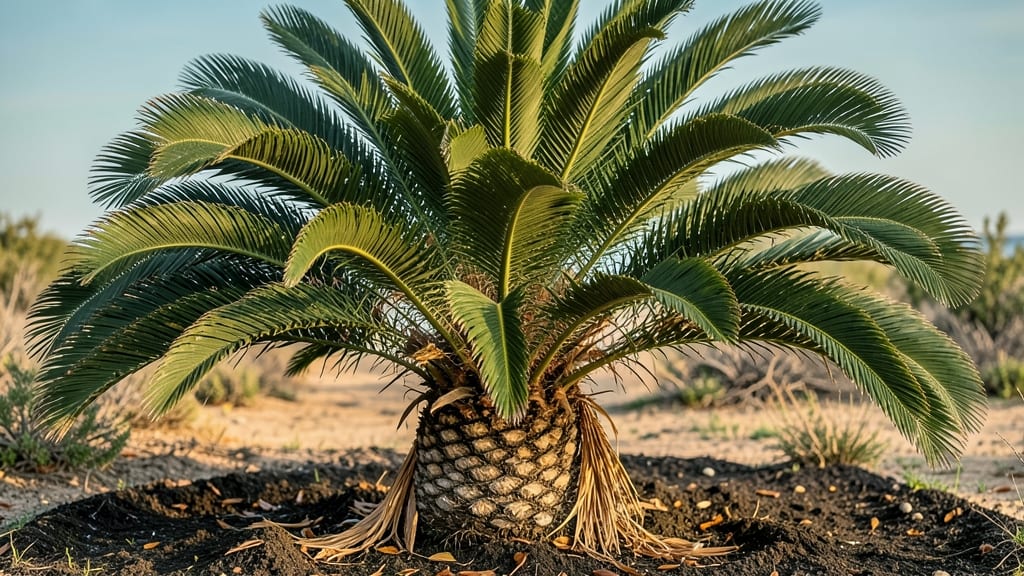
If you're wondering how tall do Sabal palms grow, the answer might surprise you—these striking 🌴 varieties can stretch from modest 10 feet to towering 30 feet, depending on the species.
Whether you're planning a coastal landscape or a cozy backyard retreat, choosing the right Sabal palm means balancing beauty with space. Some varieties mature quickly, while others take decades to reach their full height, so timing matters.
Sabal palms aren’t just about height—they’re game-changers for shade, privacy, and tropical flair. The Sabal palmetto, for example, thrives in USDA Zone 6a and beyond, making it a top pick for cold-hardy climates.
Meanwhile, dwarf varieties like Sabal minor stay compact, perfect for smaller yards. Let’s break down the heights you can expect and how to pick the best fit for your space.
One of the biggest mistakes gardeners make is underestimating how much room a Sabal palm needs to grow. Planting too close to structures or other plants can lead to crowded roots and stunted growth.
The key is spacing—whether you’re aiming for a 15-foot accent or a 30-foot statement piece, proper placement ensures your palm flourishes without outgrowing its welcome.
Ready to transform your outdoor space? I’ll walk you through the height ranges of the most popular Sabal varieties, growth timelines, and pro tips for keeping them healthy—so you can enjoy their lush foliage for years to come. Let’s dive in!

Sabal palm height guide: mature sizes by popular varieties
When selecting a sabal palm for your landscape, height is one of the first factors to consider. These palms can grow from modest 10-foot shrubs to towering 30-foot trees, depending on the variety.
Understanding each species' mature size helps you plan spacing, pruning, and long-term maintenance to avoid overcrowding or structural issues.
Sabal palms are native to the Americas and thrive in USDA zones 7-11, making them adaptable to diverse climates. Some varieties, like Sabal palmetto, dominate coastal landscapes, while others, such as Sabal minor, are perfect for smaller yards.
Let's explore the height ranges and growth habits of the most popular sabal palm species to help you make an informed choice.
Choosing Sabal palms by landscape: height-based planting tips
Selecting the right sabal palm for your landscape depends heavily on its mature height and growth habits. For small yards or urban spaces, Sabal minor (dwarf palmetto) tops out at 10–15 feet, making it ideal for patios or foundation plantings.
In contrast, coastal areas thrive with Sabal palmetto, which can reach 20–30 feet and handles salty winds beautifully.
If you’re planting near power lines or structures, opt for Sabal mexicana or Sabal causiarum, both of which stay under 15 feet at maturity. These varieties also offer year-round greenery without overwhelming your space.
For tropical climates, Sabal bermudiana (blue palmetto) grows 25–30 feet but adds stunning blue-green foliage to large landscapes.
🌴
Height-Based Planting Tips
- 📏 Small Yards (Under 10 ft): Plant Sabal minor or Sabal etonia near walkways or entryways for a compact yet tropical look.
- 🏡 Medium Spaces (10–15 ft): Use Sabal mexicana as a solitary statement plant in garden beds or near decks.
- 🌊 Coastal or Large Landscapes (15–30 ft): Choose Sabal palmetto or Sabal bermudiana for wind resistance and drought tolerance.
- 🌿 Urban Spaces (Pruned Varieties): Regularly trim Sabal causiarum to maintain 10–12 feet for rooftop gardens or balconies.
- ⚠️ Avoid Overcrowding: Space palms 10–15 feet apart to allow airflow and prevent root competition.
Pruning plays a crucial role in managing height, especially for fast-growing varieties like Sabal palmetto. Remove dead fronds annually to redirect energy to new growth, and trim overly tall fronds to maintain a neat silhouette.
For container growing, dwarf varieties like Sabal minor thrive in 15-gallon pots but may need annual repotting to accommodate root growth.
Pair taller sabal palms with low-growing shrubs like muhly grass or dwarf yuccas to create visual contrast. In shady areas, combine them with hostas or ferns to highlight their architectural form. Always check USDA hardiness zones (most sabals thrive in Zones 7–11) before planting to ensure long-term success.
🌱