
How To
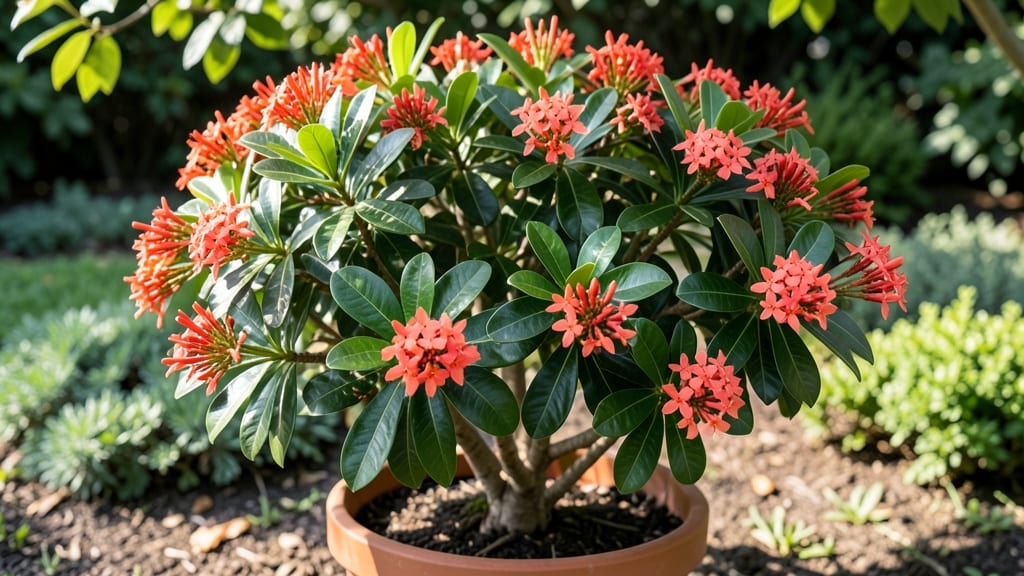
Wondering how tall do ixora grow before they dominate your garden? These stunning tropical shrubs—with their vibrant 🌺 blooms—can range from compact 3-foot beauties to towering 10-foot giants, depending on the variety. If you're eyeing Ixora for your space but unsure about their mature size, you're not alone.
The good news? With the right variety and care, you can easily manage their height to fit your landscape—whether that's a cozy patio container or a bold hedge backdrop.
I'll break down the key factors that influence growth, from pruning techniques to climate considerations, so you can choose the perfect Ixora for your garden.
Let’s explore the height variations across popular Ixora types and how to keep them at your ideal size. Whether you're a first-time gardener or a seasoned pro, these insights will help you grow Ixora that thrives—and fits—without overpowering your space.
Ready to add some tropical charm? You’ll discover exactly which varieties suit your garden best and how to maintain them for years of stunning blooms.

Ixora plant height by variety: compact to towering options
Ixora plants are famous for their clusters of vibrant blooms and lush foliage, but their mature height can vary wildly depending on the variety. If you’re planning your garden layout, knowing these height ranges will help you choose the perfect ixora for your space.
Some varieties stay compact enough for containers, while others grow into tall shrubs that dominate tropical landscapes.
For example, the 'Little Gem' cultivar tops out at just 2–3 feet, making it ideal for patio planters or window boxes. On the other end of the spectrum, the 'Royal Palm' variety can reach 6–12 feet, perfect for hedges or tropical backdrops.
Understanding these differences ensures you pick a variety that fits your garden’s size and style.
Here’s a quick breakdown of ixora height ranges by category to help you visualize how they’ll fit into your space:
| Variety | Mature Height | Growth Habit | Best For |
|---|---|---|---|
| 'Little Gem' | 2–3 ft | Compact, bushy | Containers, window boxes |
| 'Compact Star' | 3–4 ft | Semi-dwarf, rounded | Small gardens, borders |
| 'Royal Palm' | 6–12 ft | Tall, upright | Hedges, tropical backdrops |
| 'Red Showers' | 4–6 ft | Medium, spreading | Foundation plantings |
| 'Blue Bayou' | 3–5 ft | Bushy, multi-stemmed | Patio pots, mixed borders |
The 'Little Gem' and 'Compact Star' varieties are my top picks for small-space gardeners because they fit neatly into containers or tight borders. Their controlled growth means less pruning and more blooms without overpowering your landscape.
If you’re going for a bold tropical look, the 'Royal Palm' or 'Red Showers' will add drama—but be prepared for their larger footprint.
One thing to note: ixora plants grow slowly in their first year, typically reaching 1–2 feet tall. By year two, they’ll double in height, and by year three, they’ll hit their mature size.
This gradual growth gives you plenty of time to adjust your garden plan if needed. For example, if you plant a 'Compact Star' in a 12-inch pot, you can always upgrade to a larger container later if it outgrows its space.
If you’re unsure which variety to choose, consider your garden’s sunlight exposure and climate zone. Most ixoras thrive in USDA zones 10–12, where they get plenty of sun and warmth.
In cooler climates, opt for dwarf varieties like 'Blue Bayou', which are more cold-tolerant and easier to overwinter indoors.
Another factor that influences height is pruning habits. Regular trimming can keep even tall varieties like 'Royal Palm' at a manageable size. I’ll cover pruning tips in the next section, but for now, know that pruning after blooming encourages bushier growth and prevents leggy stems.
This is especially useful if you’re growing ixora in containers or small gardens.
For those with limited vertical space, training ixora to grow as a small tree is an option. Simply prune the center stems to encourage a single trunk and shape the sides into a rounded canopy.
This works best with medium-height varieties like 'Red Showers', which can be coaxed into a 4–5 foot tall specimen with careful pruning.
Remember, ixora plants are not frost-hardy, so their height potential depends heavily on your local climate. In colder regions, you’ll need to protect them in winter or grow them in containers that can be moved indoors.
This limitation actually works to your advantage—it forces you to choose compact varieties that are easier to manage year-round.
If you’re still unsure which ixora fits your space, start with a smaller variety like 'Little Gem' and experiment with pruning. You can always
Ixora plant height by variety: compact to towering options
Ixora plants are famous for their clustered, tropical blooms, but their mature height can vary wildly—from dwarf varieties perfect for containers to tall shrubs that create bold garden backdrops.
Knowing your ixora’s expected height helps you plan spacing, pruning, and even container sizes. Here’s how different ixora varieties grow and where they thrive best in your landscape.
Most ixora plants reach their full height between 3 to 6 years, with growth rates slowing after the first few years. Dwarf varieties like 'Compact Star' stay under 3 feet, while standard types like 'Royal Palm' can tower up to 10 feet or more.
The key? Choosing the right variety for your space and climate zone.
| Variety | Mature Height | Growth Habit | Best For |
|---|---|---|---|
| 'Compact Star' | 1–3 ft | Bushy, rounded | Containers, patios, windowsills |
| 'Little gem' | 2–4 ft | Upright, dense | Borders, small hedges |
| 'Royal Palm' | 6–10 ft | Tall, arching branches | Tropical gardens, hedges |
| 'Blue Dwarf' | 2–3 ft | Compact, mounding | Balconies, fairy gardens |
| 'Red Butterflies' | 4–6 ft | Medium, spreading | Foundation plantings, mixed borders |
If you’re in USDA zones 10–12, you’ll find ixoras thrive year-round, but cooler climates may need container-growing or winter protection. For example, 'Compact Star' stays manageable in pots on a sunny patio, while 'Royal Palm' needs ample ground space to reach its full 10-foot potential.
Always check your variety’s specific needs—some grow faster in humid climates!
Another factor? Pruning habits can influence height. Regular trimming encourages bushier growth in dwarf varieties, while leaving taller types unpruned lets them stretch naturally. I’ve seen 'Little Gem' reach 5 feet in just 3 years with minimal pruning, while container-grown ixoras stay under 3 feet with consistent trimming.
The right balance keeps your ixora both bloom-heavy and space-efficient.
For small gardens, opt for dwarf or semi-dwarf varieties—these stay under 4 feet and work beautifully in containers or as accent plants. In larger landscapes, taller ixoras create stunning privacy screens or tropical focal points.
Just remember: ixoras love full sun and well-draining soil, so pick a spot where they can flourish without outgrowing their welcome.
Pro tip: Measure your space before planting! A 6-foot ixora needs at least 4 feet of clearance to avoid shading smaller plants. And if you’re unsure, start with a dwarf variety—you can always prune it back later if it outgrows expectations. Happy planting! 🌺