
How To
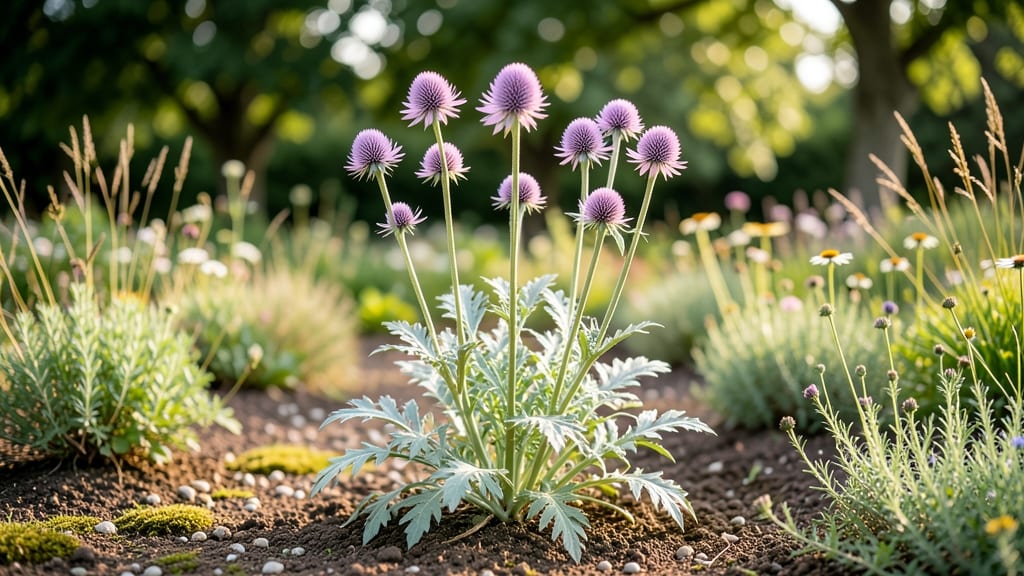
Wondering how tall do Scabiosa grow before planning your garden layout? These charming pincushion flowers can surprise you—some stay compact enough for borders while others reach towering heights that command attention in cottage gardens.
With heights ranging from just 1 foot to nearly 3 feet, Scabiosa offers versatility for any space. Whether you're working with a small urban garden or a sprawling countryside plot, understanding their growth habits helps you choose the perfect variety for your design needs.
Sunlight, soil quality, and even pruning techniques play a role in determining how tall your Scabiosa will grow. Some varieties naturally stay low, while others stretch toward the sky—discover which types thrive in your specific conditions and how to encourage their best growth.
Let's explore the different Scabiosa varieties and what you can do to create a stunning display that fits your garden's height requirements perfectly.

Scabiosa height ranges: from dwarf varieties to towering giants
When planning your garden, knowing how tall Scabiosa varieties grow helps you choose the perfect spot for their delicate pincushion blooms. These perennials come in three main height categories: dwarf (under 12 inches), mid-height (12–24 inches), and towering (24+ inches).
The right variety can transform your space—whether you need a border filler or a back-of-the-border statement.
Most gardeners start with Scabiosa columbaria, the most common species, which typically reaches 18–24 inches tall. However, within this genus, you’ll find compact cultivars like 'Butterfly Blue' (12 inches) and giant varieties like Scabiosa atropurpurea 'Black Knight', which can soar to 36 inches.
Understanding these differences ensures your garden layout flows beautifully.
Here’s how to match Scabiosa height to your garden’s needs, from container gardens to wildflower meadows.
| Variety | Mature Height | Best For | Notes |
|---|---|---|---|
| Scabiosa columbaria 'Butterfly Blue' | 12–18 inches | Borders, containers | Dwarf variety; great for pollinators |
| Scabiosa columbaria 'Pink Mist' | 18–24 inches | Mid-border, cottage gardens | Classic pincushion shape; long bloom time |
| Scabiosa atropurpurea 'Black Knight' | 24–36 inches | Back of borders, cut flowers | Dark purple blooms; needs staking |
| Scabiosa caucasica | 30–48 inches | Wildflower meadows, tall gardens | Tallest species; thrives in full sun |
| Scabiosa columbaria 'White Island' | 16–20 inches | Rock gardens, containers | Pure white blooms; compact habit |
If you’re working with limited vertical space, Scabiosa columbaria varieties like 'Butterfly Blue' or 'White Island' are ideal. These dwarf pincushions add color without overpowering smaller gardens or container arrangements. Their clumping habit also makes them perfect for rock gardens or window boxes.
For mid-height drama, varieties like 'Pink Mist' or 'Claret Tower' (24 inches) create a soft, romantic backdrop for salvias or lavender. Their upright stems hold up well in cut flower arrangements, too, making them a favorite for bouquet lovers.
Just be sure to space them 12–18 inches apart to prevent overcrowding.
When you need height and impact, Scabiosa caucasica or 'Black Knight' reach 3–4 feet tall, making them stars in cottage-style gardens or wildflower meadows.
These towering varieties pair beautifully with delphiniums or hollyhocks, creating a whimsical, old-world charm. However, their top-heavy blooms may need light staking in windy areas.
Pro tip: Deadhead spent blooms to encourage continuous flowering throughout the summer months. This simple task keeps your Scabiosa looking neat and vibrant while extending their vertical presence in your garden.
🌸
Scabiosa height ranges: from dwarf varieties to towering giants
Scabiosa—commonly called pincushion flowers—offers a stunning range of heights that can transform your garden’s vertical interest. Whether you’re planning a contained border or a dramatic cottage-style backdrop, knowing the mature size of each variety helps you make the perfect selection.
Most Scabiosa species fall between 12 inches and 3 feet, but some dwarf and giant cultivars push these boundaries further.
The shortest varieties, like Scabiosa columbaria 'Butterfly Blue,' stay under 12 inches tall, making them ideal for rock gardens or front-of-border plantings. These compact plants create a lush carpet of blooms while keeping your design low-maintenance.
On the opposite end, Scabiosa caucasica can reach 3 feet or taller, providing a bold focal point in mixed borders or cottage gardens.
| Variety | Mature Height | Best For |
|---|---|---|
| Scabiosa columbaria 'Butterfly Blue' | 12–18 inches | Rock gardens, borders |
| Scabiosa atropurpurea 'Black Knight' | 24–30 inches | Back of borders, cottage gardens |
| Scabiosa caucasica | 30–36 inches | Focal points, mixed perennials |
| Scabiosa columbaria 'Pink Mist' | 18–24 inches | Container gardens, pollinator plots |
If you’re working with limited space, dwarf varieties like Scabiosa columbaria are your best bet. They thrive in containers or window boxes and pair beautifully with creeping thyme or alyssum for a fragrant, low-growing display.
For taller spaces, Scabiosa caucasica and its hybrids can reach up to 4 feet when grown in ideal conditions, making them perfect for cut flower arrangements or backdrop planting.
One common misconception is that all Scabiosa grow equally tall. In reality, soil quality and sunlight exposure play huge roles in determining height. Well-draining, nutrient-rich soil encourages stronger stems, while full sun (6+ hours daily) maximizes blooming potential. Without these conditions, even tall varieties may stay shorter than expected.
For windy gardens, consider staking taller varieties like Scabiosa caucasica to prevent flopping. Use bamboo stakes or spiral supports and tie stems loosely to maintain an airy, natural look. Prune spent blooms regularly to encourage continuous flowering and prevent legginess.
Whether you choose a compact pincushion or a towering giant, Scabiosa’s height adaptability makes it a versatile addition to any garden.
Start with the variety that fits your space, and don’t forget to mulch around the base to retain moisture and suppress weeds—especially for shorter varieties that can get lost in taller plants.