
How To
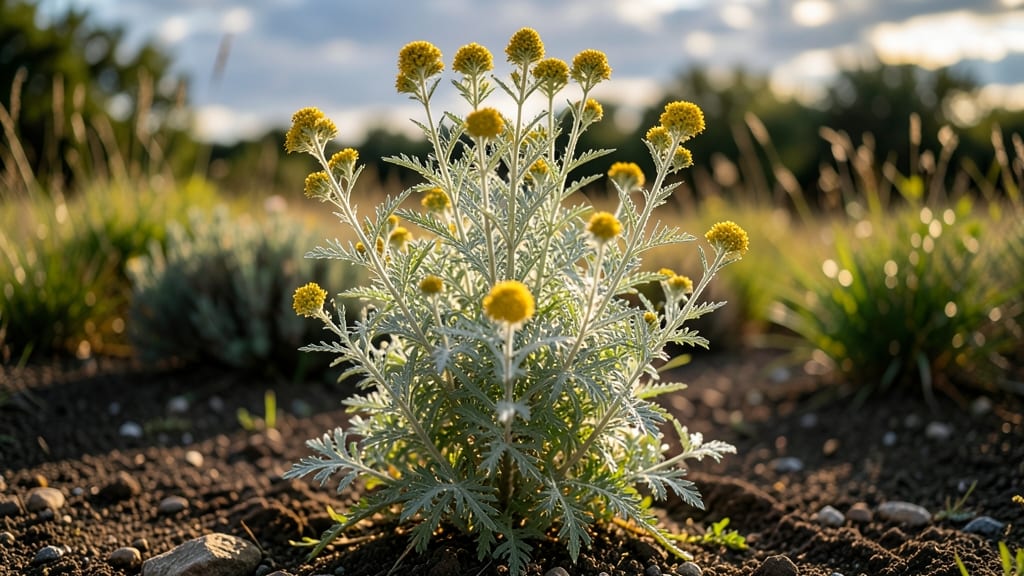
If you're wondering "how tall does wormwood grow", the answer might surprise you—this hardy herb can range from a compact 1-foot shrub to a towering 6-foot wild giant, depending on where and how you grow it.
Wormwood (🌿 Artemisia absinthium) thrives in USDA Zone 6a and beyond, but its height isn’t set in stone.
For gardeners in spring planting zones like yours, wormwood typically matures between 3-5 feet with proper care, but left unchecked, it can sprawl much taller. The key to controlling its size lies in pruning and spacing—something I’ll show you how to do effortlessly.
Whether you're growing wormwood for culinary uses, medicinal benefits, or just as a striking ornamental, understanding its growth habits will help you plan your garden layout. From dwarf varieties perfect for containers to wild strains that need room to roam, we’ll cover all your options.
Ready to transform your garden with wormwood? Let’s dive into the secrets of managing its height—so you get the perfect balance of beauty and control without the chaos.

Wormwood height variations: compact vs. wild growth habits explained
Wormwood (Artemisia absinthium) grows with striking height variations depending on whether it's cultivated or left to grow wild. In gardens, it typically reaches 3 to 5 feet tall, while wild varieties can soar to 6 to 10 feet.
These differences stem from genetic traits and environmental factors like sunlight exposure and soil quality.
The growth habit of wormwood is upright and bushy, forming dense clumps. Its height isn't just about genetics—sunlight exposure plays a huge role. Full sun (6+ hours daily) fuels rapid growth, while partial shade keeps plants shorter. Poor soil drainage can stunt growth or cause root rot, limiting height.
Understanding these variations helps gardeners plan spacing and containment strategies. For example, a wild wormwood plant left unchecked can dominate a garden bed, while a cultivated variety with regular pruning stays manageable. Let's break down the key differences in a clear summary table.
| Type | Mature Height | Growth Habit | Sunlight Needs |
|---|---|---|---|
| Cultivated Wormwood | 3–5 ft | Bushy, upright | Full sun (6+ hrs) |
| Wild Wormwood | 6–10 ft | Tall, woody stems | Full sun (unlimited) |
| Dwarf Varieties | 1–2 ft | Compact, rounded | Full sun to partial shade |
Soil quality also affects wormwood's height. Well-draining, slightly alkaline soil (pH 6.5–7.5) supports vigorous growth, while heavy clay can restrict root development. In my garden, I've noticed that wormwood planted in sandy loam reaches its full potential height faster than in compacted soil.
Another factor is the plant's age. In its first year, wormwood grows 1–2 feet tall, while by year three, it can reach 3–4 feet if unpruned. This gradual growth pattern makes it easier to manage in home gardens with regular maintenance.
For gardeners in USDA zones 6–9, wormwood thrives year-round, but its height can vary by region. In cooler climates, growth may slow slightly, while in warm zones, it can grow taller and more aggressively. Always check local climate conditions when planning your garden layout.
If you're growing wormwood for culinary or medicinal uses, height isn't the only concern—leaf density matters too. Taller plants produce more foliage, but dwarf varieties often have stronger flavors due to concentrated oils. This makes them ideal for small gardens or container growing.
One common misconception is that wormwood always grows tall. In reality, its height is highly adaptable. With the right growing conditions and pruning techniques, you can keep it at a manageable size—even in tight spaces.
For example, Artemisia 'Powis Castle' stays under 2 feet tall, perfect for borders or windowsill gardens.
For those concerned about wormwood spreading, remember that its height isn't the only challenge—its aggressive root system can also be an issue. Planting in containers or using root barriers helps control both height and spread, making it a more manageable herb for home gardens.
In summary, wormwood's height depends on its type, growing conditions, and care routine. By understanding these factors, you can choose the right variety for your space and enjoy a thriving, manageable plant. Whether you prefer a towering wild specimen or a compact garden-friendly shrub, wormwood offers flexibility for any gardener.
Wormwood height variations: compact vs. wild growth habits explained
Wormwood (Artemisia absinthium) is a fascinating herb with dramatic height variations depending on whether it grows wild or is cultivated in your garden. In nature, wormwood can reach 6 to 10 feet tall, forming dense, woody shrubs that spread aggressively.
But in controlled garden settings, it typically stays between 3 to 5 feet tall, making it manageable for most home landscapes.
The difference in height comes down to genetics, sunlight exposure, and soil conditions. Wild wormwood thrives in open, sunny fields with poor soil, where it can grow unchecked. In contrast, garden-grown wormwood—especially dwarf varieties—stays compact when given proper care, including regular pruning and well-draining soil.
Here’s how wormwood’s height breaks down based on its environment:
| Growth Type | Typical Height | Growth Habit | Ideal Conditions |
|---|---|---|---|
| Wild Wormwood | 6–10 ft | Bushy, aggressive spread | Poor soil, full sun, minimal care |
| Cultivated Wormwood | 3–5 ft | Upright, controlled growth | Well-draining soil, pruning, moderate sun |
| Dwarf Varieties | 1–2 ft | Compact, bushy | Containers, borders, regular pruning |
If you’re growing wormwood in your garden, soil drainage is the #1 factor influencing its height. Heavy, clay soil can stunt growth, while sandy or loamy soil encourages taller, fuller plants. Additionally, full sun (6+ hours daily) maximizes height, while partial shade keeps it shorter and bushier.
For gardeners in USDA Zones 6a and warmer, wormwood thrives year-round, but its height can fluctuate seasonally. In spring, expect rapid growth, while fall brings a slight reduction in height as the plant prepares for dormancy.
Pruning in early spring can reset growth patterns and keep it within your desired height range.
One common misconception is that wormwood will always grow wild if left unchecked. While it’s true that unpruned wormwood can spread aggressively, even standard varieties stay under 5 feet tall with basic maintenance.
The key is regular pruning and proper spacing—planting wormwood 2 to 3 feet apart gives roots room to grow without competing for space.
For those with limited space, consider dwarf varieties like 'Powis Castle', which max out at 1 to 2 feet tall. These are perfect for containers, borders, or even as a low hedge.
Whether you’re aiming for a towering herb garden or a compact culinary patch, understanding wormwood’s growth habits helps you plan with confidence. 🌿