
Trees
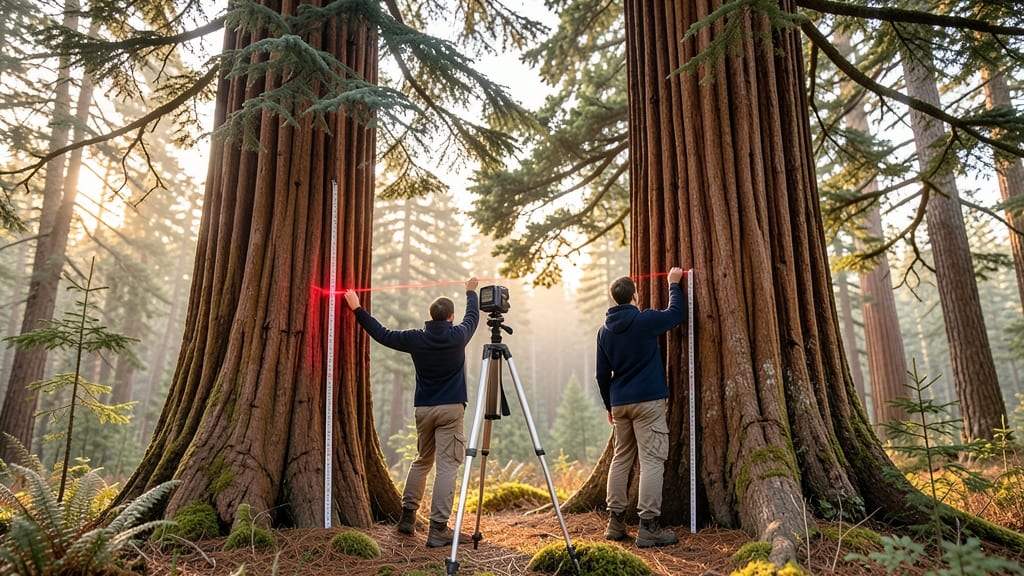
If you’ve ever stood beneath a Sequoia Tree 🌲 and craned your neck to the sky, you’ve likely wondered: just how tall can these ancient giants grow? The answer might surprise you—some coast redwoods stretch taller than a 20-story building, reaching heights that defy human imagination.
These towering trees aren’t just impressive for their height; they’re also a testament to nature’s patience and perfect growing conditions.
Whether you’re dreaming of planting one in your USDA Zone 6a yard or simply curious about their growth stages, understanding their potential size is the first step to appreciating their majesty.
In this guide, we’ll explore the record-breaking heights of sequoias, how they grow so tall, and what it takes to nurture one—even if you’re working with limited space. Spoiler alert: your backyard might not be big enough for a full-grown giant, but the journey starts with a tiny seedling.
From the late spring planting window to the decades it takes for a sapling to become a skyscraper, we’ll break down everything you need to know. Ready to grow your own piece of the forest?

Sequoia tree height records: tallest species and their stunning measurements
When we talk about sequoia tree height, we're entering a realm where nature's skyscrapers dwarf even the tallest human-made structures. These ancient giants belong to two distinct species: the coast redwood (Sequoia sempervirens) and the giant sequoia (Sequoiadendron giganteum).
Both are legendary, but their height records tell different stories about how these trees conquer the sky.
Let's start with the tallest tree on Earth: Hyperion, a coast redwood discovered in California's Redwood National Park. This magnificent specimen stands at a staggering 380.1 feet (115.9 meters) tall—taller than the Statue of Liberty's height of 305 feet.
Its trunk alone is over 25 feet in diameter, making it a true architectural marvel of the forest.
🌲
| Species | Record Height | Average Mature Height | Key Location |
|---|---|---|---|
| Coast Redwood (Sequoia sempervirens) | 380.1 ft (Hyperion) | 200-300 ft | Redwood National Park, CA |
| Giant Sequoia (Sequoiadendron giganteum) | 275 ft (General Sherman) | 150-250 ft | Sequoia National Park, CA |
| Comparison | Coast redwoods grow taller | Giant sequoias grow wider | Both dominate California |
The giant sequoia may not reach the same heights as its coast redwood cousin, but it makes up for it in sheer volume.
The famous General Sherman Tree in Sequoia National Park stands at 275 feet tall but boasts a volume of over 52,500 cubic feet—enough wood to build 25 average-sized houses!
Its trunk measures nearly 36 feet in diameter at the base, making it the largest tree by volume on the planet.
What makes these trees grow to such unimaginable heights? The answer lies in their ideal growing conditions. Coast redwoods thrive in the foggy, mild climates of Northern California, where moisture is abundant year-round.
Their thin bark and flexible branches allow them to grow straight upward, reaching for sunlight through dense canopies. Meanwhile, giant sequoias grow in the drier, mountainous regions of the Sierra Nevada, where their thick, fire-resistant bark protects them from wildfires—a natural part of their ecosystem.
For perspective, let's compare these giants to familiar man-made structures. A 380-foot-tall sequoia is taller than:
- The Statue of Liberty (305 ft)
- A 20-story building (180-200 ft)
- The Washington Monument (555 ft, but sequoias are wider!)
Their sheer size makes them the ultimate symbols of nature's grandeur.
Interestingly, these trees don't just grow tall—they grow old. Some coast redwoods are over 2,000 years old, while giant sequoias can live for 3,000 years or more. This longevity, combined with their height, makes sequoias some of the most enduring and majestic trees on Earth.
If you've ever dreamed of planting a sequoia in your yard, it's worth remembering that these trees need space. A mature sequoia requires at least 20-30 feet of clearance around its base to develop properly.
Their roots spread widely, and their canopies can reach 100 feet wide at maturity. This is why they're typically found in forests rather than backyards—but we'll explore home gardening possibilities in the next section!
🌳
How sequoia trees grow so tall: growth stages and environmental factors
Sequoias don't just grow tall—they reach stratospheric heights through a perfect storm of genetics, climate, and time.
Unlike most trees that grow just a few feet per year, these giants can add 3-5 feet annually during their prime, fueled by their massive root systems and thick bark that protects against forest fires.
The journey from seed to skyscraper begins with a delicate seedling stage that lasts 5-10 years. Young sequoias grow slowly at first, focusing energy on developing deep roots that can stretch 100 feet wide for stability. This root network becomes their lifeline, anchoring them against storms and droughts.
🌱
Grows 1-2 ft/year | Focuses on root development | Needs full sun and moisture.
Accelerates to 3-5 ft/year | Thick bark forms | Begins competing for canopy space.
Peak growth: up to 8 ft/year | Reaches 100+ ft tall | Needs fire-resistant adaptations.
Slows to 1-3 ft/year | Maintains height dominance | Lives 2,000+ years with proper care.
🌧️ High rainfall = faster growth | ☀️ Full sun = thicker bark | 🔥 Fire = stimulates seed release.
Climate plays a starring role in their growth. Coast redwoods thrive in foggy, coastal climates where moisture lingers in the air, while giant sequoias prefer drier inland mountains with cooler nights. Both species need well-drained, acidic soil rich in organic matter to support their massive biomass.
Genetics also dictate their potential. The tallest sequoias, like Hyperion (380 ft) and Helios (379 ft), inherit traits from parent trees that already towered over their surroundings. These trees grow in ideal microclimates with minimal competition, allowing them to stretch toward the sky unobstructed.
One often-overlooked factor is fire ecology. Sequoias have evolved to thrive after fires, which clear competing vegetation and release seeds from their cones. This adaptation ensures their dominance in fire-prone ecosystems, where they can grow unchecked for centuries.
🌳 For gardeners dreaming of growing sequoias, remember: their height potential is matched only by their patience requirements. Even under perfect conditions, reaching 100 feet takes 200+ years—so plant with your great-grandchildren in mind!