
How To
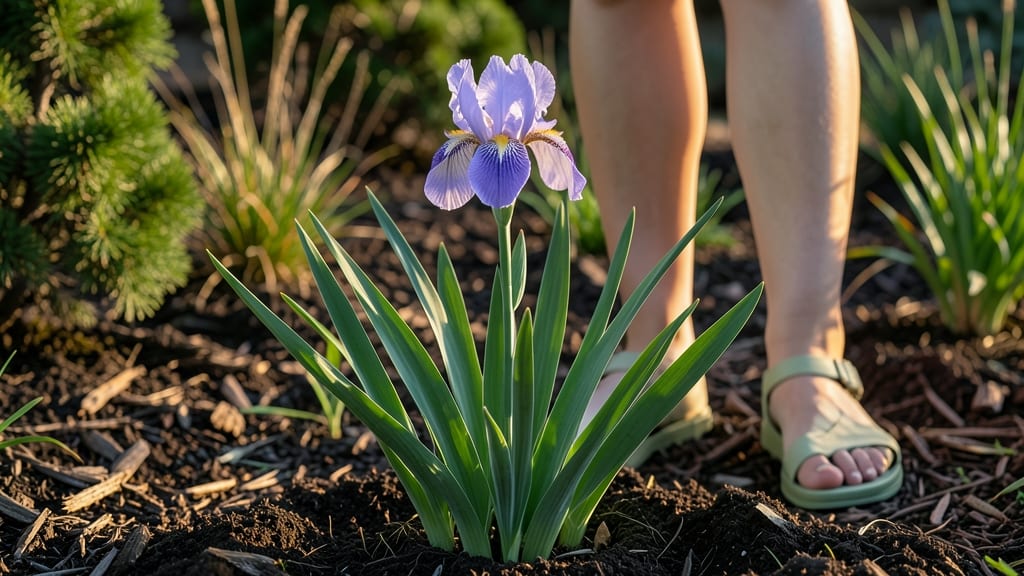
If you're planning your garden beds and wondering "how tall do Siberian iris grow", you're in the right place—because their height can vary dramatically depending on the variety you choose.
These stunning 🌸 perennials can range from compact 1-foot beauties to towering 3-foot showstoppers, making them incredibly versatile for any garden design.
What makes Siberian iris so fascinating is their ability to adapt to different spaces without sacrificing their striking presence. Whether you're working with a cozy container garden or a sprawling landscape, knowing their mature height helps you place them strategically for maximum impact.
The key lies in selecting the right variety for your vision.
From dwarf types that fit neatly into borders to standard varieties that command attention as focal points, each height range offers unique benefits. I'll break down exactly how these plants grow over time and what factors—like soil quality and sunlight—can influence their final stature. Let's get started.
By the end, you'll know not just how tall Siberian iris grow, but also how to optimize their height for your garden's specific needs. Whether you're a beginner or a seasoned gardener, these insights will help you make confident planting decisions this spring.

Siberian iris height ranges by variety type: compact vs. tall options
Siberian iris (Iris sibirica) are prized for their elegant, sword-like foliage and vibrant blooms, but their height variations can dramatically change how you use them in your garden.
While most mature between 1.5 to 3 feet tall, some dwarf varieties stay as short as 12 inches, making them perfect for borders or containers. Understanding these differences helps you choose the right type for your space.
One of the most exciting aspects of Siberian iris is their adaptability. Unlike their taller cousins like bearded iris, which can reach 4 feet or more, Siberian iris remain low-maintenance yet striking.
Their compact growth habit makes them ideal for small gardens, rockeries, or woodland edges, where they add vertical interest without overwhelming the space.
Here’s the key distinction: dwarf varieties (like 'Caesarea' or 'Butter and Sugar') typically max out at 18–24 inches, while standard types (such as 'Florence' or 'Jacqueline') can stretch to 2.5–3 feet.
Even within these ranges, climate and care can influence height—cooler regions often yield slightly shorter plants, while warm, sunny spots encourage fuller growth.
For those with limited space, container gardening is a great option. Many Siberian iris thrive in pots as long as the container is at least 12 inches deep and has excellent drainage. Dwarf varieties like 'Caesarea' will stay under 18 inches, making them perfect for patios or balconies.
If you’re planning a border or mixed bed, taller varieties (like 'Florence') create a stunning backdrop for perennials like hostas or ferns. Their late-spring blooming (May–June) ensures they won’t be overshadowed by early spring flowers.
Now, let’s break down the exact height ranges by variety type in this easy-to-reference summary table:
| Variety Type | Height Range | Best For | Notes |
|---|---|---|---|
| Dwarf Varieties | 12–18 inches | Containers, borders, rock gardens | Slowest to mature; ideal for small spaces. |
| Semi-Dwarf | 18–24 inches | Woodland gardens, mixed borders | Balanced height; great for mid-garden planting. |
| Standard | 24–36 inches | Back of borders, focal points | Tallest type; needs support in windy areas. |
When selecting varieties, consider your garden’s vertical layers. For example, pairing a 12-inch dwarf like 'Butter and Sugar' with a 3-foot standard like 'Florence' creates a dynamic, multi-tiered display. Both will bloom in late spring, ensuring a cohesive look.
Another pro tip: Staking taller varieties (like 'Florence') in windy areas prevents flopping. Use bamboo stakes or pea vines for subtle support without ruining the natural look. This keeps their elegant stems upright while still allowing their blooms to sway gracefully.
For those new to growing Siberian iris, remember that height isn’t the only factor. Their clumping habit and long, arching foliage add texture year-round, even when not in bloom. This makes them a low-maintenance perennial that rewards patience with stunning displays.
If you’re still unsure which variety to choose, start with a mix of dwarf and standard types to test what thrives in your space.
Most Siberian iris are hardy in zones 3–9, so they’ll adapt well to a wide range of climates—just give them well-draining soil and full sun for best results.
Siberian iris height ranges by variety type: compact vs. tall options
Siberian iris (Iris sibirica) are prized for their vibrant blooms and low-maintenance nature, but their height can vary dramatically depending on the variety. Most mature plants reach 2 to 3 feet tall, but some dwarf varieties stay as short as 12 to 18 inches.
Understanding these ranges helps you choose the perfect fit for your garden design, whether you're creating a border garden or a backyard focal point.
For example, the 'Caesarea' variety typically grows 24 to 30 inches tall, making it ideal for mid-border plantings, while 'Butter and Sugar' stays shorter at 18 to 24 inches, perfect for edging or container gardens.
These variations mean you can mix heights for visual interest or create uniform rows for a clean, structured look.
Here’s a quick reference to help you visualize how different Siberian iris varieties compare in height:
| Variety | Mature Height | Best For |
|---|---|---|
| 'Caesarea' | 24–30 inches | Mid-border planting |
| 'Butter and Sugar' | 18–24 inches | Containers or edging |
| 'Honorine Jobert' | 24–36 inches | Backyard focal points |
| 'Florence Sinclair' | 12–18 inches | Dwarf borders |
| 'Sheila' | 20–28 inches | Mixed perennial beds |
If you're working with limited vertical space, opt for dwarf varieties like 'Florence Sinclair' or 'Little Princess', which rarely exceed 18 inches. These are perfect for rock gardens or small containers where taller plants might overwhelm the space.
On the other hand, taller varieties like 'Honorine Jobert' can reach nearly 3 feet, making them ideal for backdrop plantings or cut-flower gardens.
Pro tip: Even within the same variety, height can vary slightly based on growing conditions. For instance, plants in rich, well-draining soil with full sun exposure tend to grow taller and more robust than those in shadier or poorer soil.
This flexibility lets you fine-tune your garden’s look by adjusting care practices.
When planning your garden layout, consider not just the height of the iris but also their spreading habit. Siberian iris rhizomes can spread 12 to 18 inches over time, so give them space to prevent overcrowding.
This ensures they have room to grow both upward and outward, creating a lush, natural look.
For a balanced garden, pair taller varieties with shorter perennials like catmint or salvia to create layers of texture and color. This combination adds depth and keeps your garden dynamic as the seasons change.