
How To
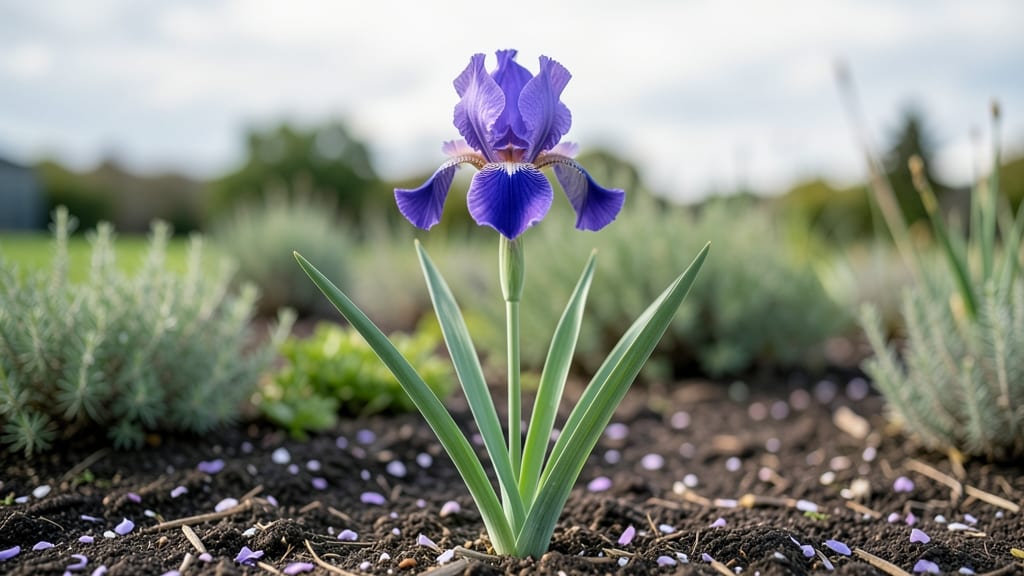
If you’ve ever wondered how tall do Dutch iris grow and whether they’ll tower over your garden or stay neatly contained, the answer depends more on variety than you might think.
These 🌸 Dutch iris can range from compact 12-inch beauties to striking 24-inch showstoppers, making them incredibly versatile for any garden design—whether you’re filling a border or creating a dramatic focal point.
The key to predicting their height lies in understanding the differences between varieties like the classic 'Dutch Classic' and the more petite types. While some may reach 2 feet in ideal conditions, others stay closer to 1 foot, meaning your spacing and companion plants should adapt accordingly.
This flexibility is what makes them a favorite among gardeners looking for both structure and color.
But here’s the catch: sunlight, soil quality, and even your local climate can push those heights higher or keep them more restrained. A sunny spot with well-draining soil will encourage taller growth, while partial shade might keep them on the shorter side.
Knowing these factors helps you plan ahead—whether you’re aiming for a lush, layered garden or a clean, structured look.
In this guide, I’ll break down the exact height ranges you can expect, how to choose the right variety for your space, and tips to control their growth. By the end, you’ll know exactly how to place your Dutch iris for maximum impact—without any surprises. Let’s get started!

Dutch iris height variations: standard vs. compact growing habits
If you're wondering how tall do Dutch iris grow, the answer depends on the variety you choose. Most Dutch iris plants reach a mature height of 18–24 inches, but some compact varieties stay as short as 6–12 inches.
This range makes them versatile for everything from window boxes to tall garden borders.
The standard Dutch iris varieties, like 'Blue Flag' or 'Purple Sword,' typically grow 20–24 inches tall, while dwarf varieties such as 'Little Gem' or 'Tiny Tangerine' max out around 10–12 inches. Even within the same variety, height can shift slightly based on growing conditions.
Here’s the key difference: standard varieties thrive as focal points in perennial beds, while compact types shine in containers, rock gardens, or as edging plants. Knowing these distinctions helps you plan spacing and companion plants effectively.
| Variety | Height Range | Best For | Notes |
|---|---|---|---|
| 'Blue Flag' | 20–24 inches | Tall borders, cut flowers | Classic blue blooms, late spring |
| 'Little Gem' | 6–12 inches | Containers, rock gardens | Dwarf variety, vibrant colors |
| 'Purple Sword' | 22–26 inches | Back of borders, focal points | Tallest common variety |
| 'Tiny Tangerine' | 8–12 inches | Window boxes, fairy gardens | Bright orange blooms, early season |
| 'White Swan' | 18–22 inches | Cut flowers, mixed borders | Pure white petals, elegant |
Seasonal height changes also play a role. Dutch iris plants grow most rapidly in spring, reaching their full height by late May or early June. After flowering, their foliage may shrink slightly but remains upright until summer.
For gardeners in USDA Zones 3–9, Dutch iris height stays consistent across regions, but cooler climates may yield slightly shorter stems. If you’re growing them in containers, expect heights to be 10–20% shorter than in-ground plants.
When planning your garden, consider mature height and how it interacts with other plants. Taller varieties like 'Purple Sword' pair beautifully with daylilies or delphiniums, while dwarf types complement lavender or thyme in low borders.
Pro tip: If your Dutch iris feels too leggy, prune the oldest leaves after flowering to redirect energy to next year’s growth. This won’t drastically change height but keeps plants neat and healthy.
Understanding these height variations helps you maximize visual impact while avoiding overcrowding. Whether you prefer tall drama or compact charm, Dutch iris varieties offer options for every garden style.
Dutch iris height variations: standard vs. compact growing habits
When planning your garden, understanding how tall Dutch iris grow is essential for creating balanced, visually striking displays. Most varieties reach 18–24 inches at maturity, but some compact types stay as short as 6–12 inches.
These differences aren't just about aesthetics—they directly impact spacing, companion planting, and even container gardening.
For example, the classic Dutch Classic series typically hits 20–24 inches, making it ideal for mid-height borders. In contrast, Dutch Miniature varieties max out around 10 inches, perfect for edging or container gardens.
Even within the same variety, first-year growth is often 30–50% shorter than mature plants, so plan accordingly.
| Variety | Mature Height | Growth Pattern | Best For |
|---|---|---|---|
| Dutch Classic | 20–24" | Tall, upright spikes | Mid-height borders |
| Dutch Miniature | 6–12" | Compact, bushy | Containers, edging |
| Dutch Hybrid | 12–18" | Medium, branching | Perennial beds |
Seasonal growth also plays a role. Dutch iris typically emerge in early spring (March–April) and reach their full height by late spring (May). However, if planted in USDA Zone 7 or warmer, they may bloom earlier and grow slightly taller due to longer daylight exposure.
Pro tip: If you're growing Dutch iris in containers, choose compact varieties—their roots are less invasive but still need well-draining soil to prevent height stunting. Overcrowding in pots can reduce mature height by up to 30%, so space rhizomes 4–6 inches apart even in containers.
For gardeners in shadier climates, expect Dutch iris to grow 10–15% shorter than their sun-exposed counterparts. This is because they rely on sunlight for energy to develop strong stems. If you notice leggy growth, consider supplementing with a low-nitrogen fertilizer to encourage sturdy, upright stems.
Understanding these height variations lets you strategically place Dutch iris to create vertical interest without overwhelming smaller plants. Pair tall varieties with low-growing perennials like ajuga or creeping thyme, while compact types work beautifully alongside daylilies or salvias for layered textures.