
How To
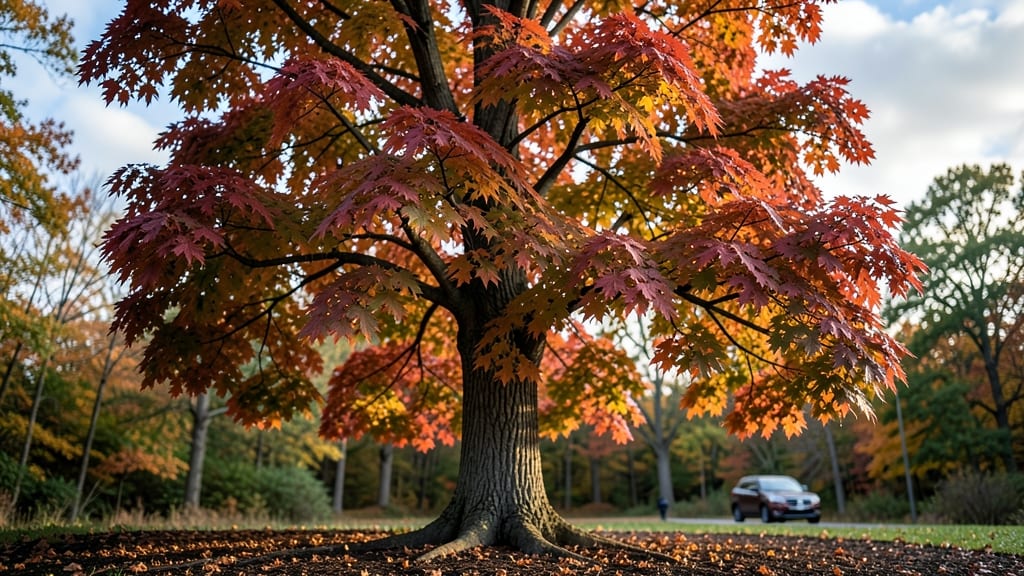
If you’ve ever dreamed of a backyard crowned with dramatic autumn colors, the sugar maple 🌳 might be your perfect match—but first, you need to know just how tall this stately tree can grow.
The answer might surprise you, especially if you’re working with limited space or urban planting constraints.
On average, a mature sugar maple reaches 60 to 80 feet tall, towering like a natural skyscraper that outshines even the tallest buildings in your neighborhood. But here’s the catch: growth rates vary wildly depending on your climate, soil quality, and even how you prune it.
In USDA Zone 6a, where these trees thrive, their height potential is influenced by factors you might not expect.
Whether you’re planning a statement piece for your front yard or debating whether a sugar maple fits in your cozy urban garden, understanding these growth patterns is key.
I’ll break down the exact heights by variety, how to control growth naturally, and why spacing matters more than you think—so you can plant with confidence, not regret.
Ready to transform your outdoor space? Let’s dive into the numbers, the nuances, and the practical tips that’ll help you decide if a sugar maple’s towering beauty is right for your landscape.

Sugar maple height by variety: exact growth ranges & mature sizes
Sugar maples (Acer saccharum) are legendary for their towering stature and breathtaking fall foliage, but their mature height can vary dramatically depending on the variety and growing conditions.
Most standard sugar maples reach 60 to 80 feet tall at maturity, with some exceptional specimens exceeding 100 feet in ideal conditions. If you're planning to plant one, understanding these height ranges will help you choose the right variety for your space.
For smaller yards or urban landscapes, you might consider columnar or compact varieties, though true dwarf sugar maples are rare. The 'Monumentale' cultivar, for example, grows in a narrow, upright form but still reaches 50 to 60 feet tall.
Meanwhile, the standard sugar maple is the classic choice for large properties, offering unmatched height and shade.
Here’s a quick comparison of common sugar maple varieties and their mature heights to help you decide:
| Variety | Mature Height (ft) | Spread (ft) | Lifespan (years) | Best For |
|---|---|---|---|---|
| Standard Sugar Maple (Acer saccharum) | 60–80 ft | 40–50 ft | 200–300+ | Large properties, parks |
| 'Monumentale' | 50–60 ft | 15–20 ft | 150–200 | Urban landscapes, narrow spaces |
| 'Columnare' | 40–50 ft | 10–15 ft | 120–150 | Small yards, privacy screens |
| 'Green Mountain' | 50–60 ft | 30–40 ft | 180–250 | Rural properties, shade trees |
If you're planting a sugar maple in an urban setting, the 'Monumentale' or 'Columnare' varieties are excellent choices because they grow more narrowly, reducing the risk of overcrowding power lines or neighboring structures.
However, even these varieties will still require ample space—at least 30 feet of clearance in all directions for healthy growth.
One factor often overlooked is the root system of sugar maples. Their roots can spread 2 to 3 times the width of the canopy, so planting too close to foundations or sidewalks can lead to cracked concrete or blocked drainage.
Always check local regulations for setback requirements before planting.
For those in USDA Zones 3–8, sugar maples thrive in cool climates, but their height potential is influenced by soil quality and sunlight. Well-drained, slightly acidic soil with full sun exposure will encourage faster and taller growth.
In contrast, poor soil or shade can stunt a tree’s height by 20–30%.
Another key consideration is the lifespan of your sugar maple. While standard varieties can live for 200–300 years, their height growth slows significantly after 50–60 years. This means that while they may reach their full height in 60–80 years, their annual growth rate declines as they mature.
If you're unsure whether your space can accommodate a sugar maple, consider alternative shade trees like the red maple or white oak, which offer similar benefits but may grow slightly shorter.
For example, a red maple typically reaches 40–70 feet, making it a more flexible option for smaller yards.
🌳
How fast sugar maples grow: annual height increase & growth phases
Sugar maples (Acer saccharum) are powerhouses of the forest, with some varieties adding 2 feet or more per year during their fastest growth phases. In their juvenile stage (years 1-10), these trees grow most rapidly, while mature specimens slow to just 6-12 inches annually.
Understanding this growth rhythm helps you plan for their eventual 60-80 foot height—or adjust expectations for smaller spaces.
For the first 3 years, expect modest gains: 1-2 feet annually in ideal conditions. By year 5, healthy specimens often double that growth, reaching 6-10 feet tall.
This rapid early growth makes sugar maples exciting for gardeners, but it also means careful planning is essential before planting—especially in urban areas where power lines and foundations become concerns.
🌳
- Years 1-3: 1-2 ft/year (slow start, root establishment)
- Years 4-10: 2-4 ft/year (peak growth phase—most dramatic height gain)
- Years 11-30: 1-2 ft/year (mature growth slows as tree allocates energy to canopy width)
- Years 30+: 6-12 in/year (senescent phase—height increases minimal)
Three key factors influence how quickly your sugar maple reaches its 60-80 foot potential: sunlight, soil quality, and climate. In full sun (6+ hours daily), trees grow 30-50% faster than those in partial shade.
Well-drained, slightly acidic soil (pH 6.0-7.5) with organic matter ensures robust root development, while USDA Zones 3-8 provide ideal temperature ranges for consistent growth.
If you’re planting in an urban area with limited space, consider the 'Monumentale' cultivar, which grows 20-30% slower while maintaining a columnar shape.
Even standard varieties, however, can be managed with pruning techniques—though aggressive height control risks weak branch structure and reduced sap production for syrup production (if applicable).
For gardeners eager to see rapid results, focus on early-year care: deep watering (10-15 gallons weekly in dry spells), mulching (3-4 inches) to retain moisture, and avoiding transplant shock.
With proper conditions, your sugar maple could hit 10 feet in just 5 years—setting the stage for decades of vibrant fall foliage and shade.
🌿