
Trees
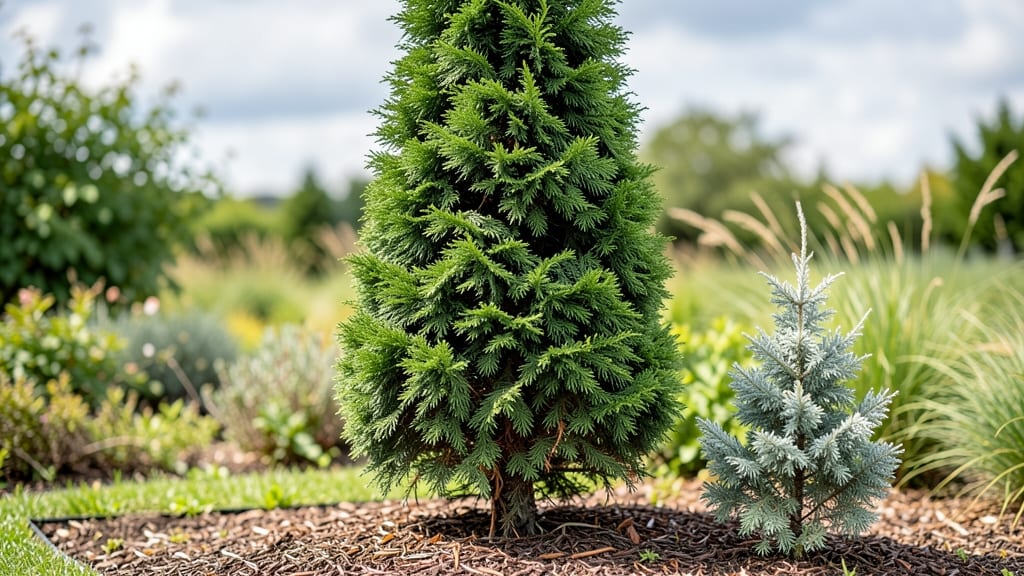
If you're dreaming of a lush, green privacy screen but worried about your backyard turning into a forest, how tall do Thuja trees grow is the question that could save your space.
These evergreen giants—better known as arborvitae—can range from compact shrubs under 5 feet to towering 60-foot-tall giants, depending on the variety. Before you plant, knowing which size fits your yard (and your vision) is the key to avoiding landscaping headaches.
Thuja trees like Thuja occidentalis (American arborvitae) or Thuja plicata (Western redcedar) grow at wildly different rates, so your choice matters. Some varieties mature in just 10 years, while others take decades to reach their full height.
Whether you're aiming for a cozy foundation plant or a towering windbreak, understanding growth patterns helps you plan spacing, pruning, and long-term care—without ending up with a tree that outgrows your property.
Here’s the good news: with the right variety, you can enjoy the beauty of a Thuja tree without sacrificing your yard’s layout. From dwarf varieties perfect for small gardens to fast-growing giants ideal for privacy, we’ll break down the height ranges, growth rates, and spacing tips you need.
Let’s find the perfect fit for your space—so you can plant with confidence and enjoy your green oasis for years to come.
Ready to transform your landscape? Whether you’re a first-time gardener or a seasoned pro, knowing your Thuja’s potential height is the first step to creating a backyard that’s both stunning and stress-free. Let’s dive into the details so you can pick the perfect tree for your vision.

Thuja tree height chart: mature sizes by popular variety
Choosing the right Thuja tree means understanding their mature heights—some varieties stay under 5 feet while others reach 60 feet or more. The key is selecting a type that fits your space and landscaping goals.
For example, Emerald Green stays compact at 12-15 feet, perfect for foundation plantings, while Thuja plicata (Western Red Cedar) can soar to 60-70 feet, ideal for privacy screens.
Before planting, check the mature height and spread of each variety to avoid overcrowding. Thuja trees grow slowly, but their final size is determined by genetics—so spacing is critical. A 30-foot tree needs at least 10-15 feet of clearance on all sides for proper airflow and sunlight penetration.
Here’s a quick reference for popular Thuja varieties and their mature heights to help you plan:
| Variety | Mature Height | Mature Spread | Growth Rate | Best For |
|---|---|---|---|---|
| Emerald Green | 12-15 ft | 3-5 ft | 12-18 in/year | Foundation planting, hedges |
| Golden Globe | 3-5 ft | 3-4 ft | 6-12 in/year | Patios, containers, accent plants |
| Thuja occidentalis 'Sunkist' | 4-6 ft | 4-5 ft | 12 in/year | Color accents, small gardens |
| American Arborvitae (Thuja occidentalis) | 30-40 ft | 10-15 ft | 12-24 in/year | Privacy screens, woodland edges |
| Thuja plicata (Western Red Cedar) | 60-70 ft | 15-20 ft | 24-36 in/year | Large landscapes, naturalized areas |
| Thuja standishii 'Golden Showers' | 8-10 ft | 5-6 ft | 12 in/year | Accent plantings, mixed borders |
If you’re unsure which variety to choose, consider your yard size and landscape goals. For instance, Emerald Green is perfect for foundation plantings along driveways, while Golden Globe adds a pop of color to patios or containers.
Always measure your space before planting to ensure the tree has room to thrive without crowding other plants.
Pro tip: Check the spread of the tree, not just its height. A wide-spreading variety like Thuja occidentalis needs more horizontal space than a narrow, columnar type like Emerald Green. This ensures proper airflow and reduces the risk of fungal diseases.
For tall varieties like Western Red Cedar, plan for long-term growth. These trees can live for centuries and become massive over time. If you’re planting near a house or fence, leave extra space to avoid future issues with roots or branches.
Remember, pruning can slightly influence height, but it won’t drastically change the mature size of a Thuja tree. Pruning is best used to shape the tree or encourage bushier growth rather than stunting its height. Always use clean, sharp tools to avoid damaging the tree.
Now that you know the height ranges, you can confidently select a Thuja variety that fits your vision—whether it’s a cozy patio shrub or a towering privacy screen.
How fast do Thuja trees grow? Growth rate by species
If you're planning your landscape design, knowing how quickly your Thuja trees will grow helps you visualize their long-term impact. Some varieties grow just 6 inches per year, while others shoot up 2 feet annually.
The growth rate depends on the species, soil quality, sunlight exposure, and your pruning habits.
For example, the American arborvitae (Thuja occidentalis) typically grows 12-24 inches per year, while the Western red cedar (Thuja plicata) can reach 3 feet annually in ideal conditions. Understanding these rates ensures you plant with proper spacing to avoid overcrowding or shading issues.
Growth rates vary based on environmental factors. Trees in full sun and well-draining soil grow faster than those in shaded or waterlogged areas. Even the same species can show 20-30% growth rate differences depending on location and care.
🌱 Thuja Growth Rate Comparison
| Variety | Annual Growth Rate | Mature Height | Best For |
|---|---|---|---|
| Emerald Green | 6-12 inches/year | 12-15 feet | Hedges, privacy screens |
| Golden Globe | 3-6 inches/year | 3-5 feet | Foundation plantings, containers |
| American Arborvitae | 12-24 inches/year | 30-40 feet | Privacy screens, woodlands |
| Western Red Cedar | 24-36 inches/year | 60-70 feet | Large landscapes, natural settings |
To estimate your Thuja's future height, multiply its annual growth rate by the number of years until maturity. For example, a 12-inch-per-year tree will reach 12 feet in 10 years. Always factor in 10-20% slower growth in less-than-ideal conditions.
Pruning plays a key role in controlling growth. Regular trimming in late spring or early summer encourages denser foliage and can slow height increases. Avoid heavy pruning in fall or winter, as this stresses the tree and may stunt growth.
For faster growth, ensure your Thuja receives balanced fertilization in early spring with a 10-10-10 NPK ratio. Pair this with consistent morning watering to keep the soil evenly moist but not soggy. With proper care, even slow-growing varieties can reach their potential height more quickly.