
How To
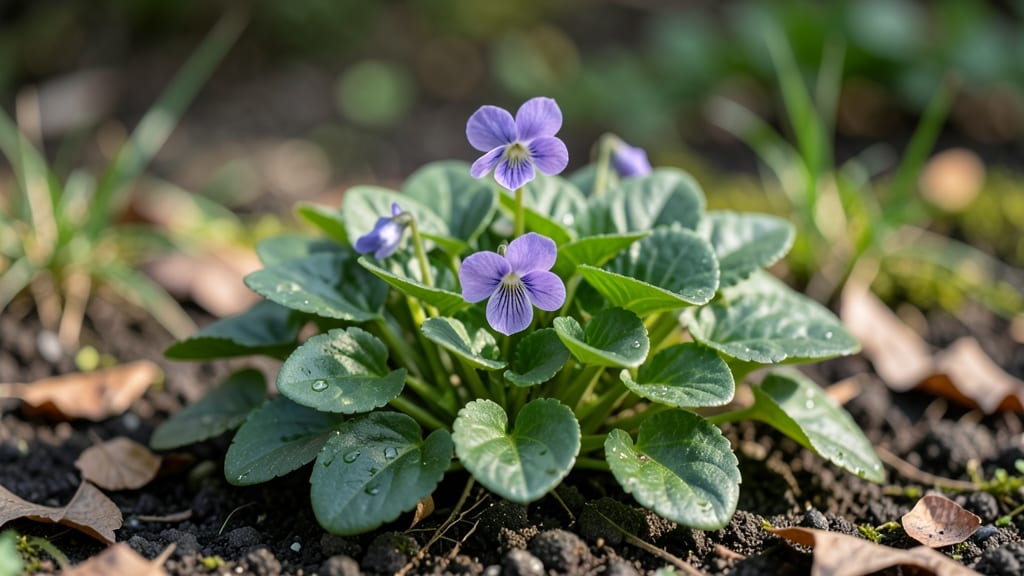
If you're wondering how tall do violets grow, you're in the right place—because these charming 💜 blooms pack a lot of personality into a tiny footprint! Most varieties stay between 3 and 6 inches tall, making them perfect for borders, containers, or even windowsill gardens where space is limited.
But here’s the thing: not all violets are created equal. Some, like the classic sweet violet, max out around 8 inches, while dwarf varieties barely reach 2 inches.
The key to getting the right height lies in choosing the variety that fits your vision—whether you want a lush ground cover or delicate clusters for cutting.
Sunlight, soil, and even your planting window (like those March-April starts in Zone 6a) play a huge role in how tall your violets grow. Too much sun can stretch them out, while rich, well-draining soil keeps them compact and blooming.
Let’s break down the best ways to keep your violets at their ideal height—no surprises, just happy plants!
Ready to turn your garden into a violet paradise? I’ll show you exactly how to space, prune, and care for these low-growing beauties so they stay vibrant and full of life—without taking over your space.

Violet height variations: compact vs. standard growth patterns
When planning your garden, knowing how tall violets grow is key to creating a visually balanced space. Violets are famously compact, but their mature height can vary dramatically depending on the variety and growing conditions.
Most gardeners love them for their low-growing habit, which makes them perfect for borders, containers, and even under trees.
If you're growing common garden violets (Viola sororia), expect heights between 4 to 8 inches at maturity. These are your classic wildflower-style violets, often found in meadows and woodland edges. Their delicate blue-purple blooms sit just above the foliage, creating a lush carpet effect when planted in groups.
Sweet violets (Viola odorata), on the other hand, are slightly taller, reaching 6 to 12 inches in ideal conditions. These fragrant varieties are often used in cut flower arrangements or as edible garnishes. Their height makes them great for mid-border planting or as a living mulch in shady areas.
African violets (Saintpaulia), the popular indoor variety, stay even shorter—typically 2 to 6 inches tall. Their compact rosette shape makes them ideal for windowsills and hanging baskets. Unlike their outdoor cousins, African violets focus energy on continuous blooming rather than vertical growth.
Now, let’s compare these varieties side by side to help you choose the perfect fit for your space:
| Variety | Mature Height | Growth Habit | Best For |
|---|---|---|---|
| Common Violet (Viola sororia) | 4–8 inches | Clumping, low-growing | Borders, ground cover, shade gardens |
| Sweet Violet (Viola odorata) | 6–12 inches | Upright, slightly trailing | Cut flowers, mid-borders, edible gardens |
| African Violet (Saintpaulia) | 2–6 inches | Compact rosette | Indoor pots, windowsills, hanging baskets |
| Pansies (Viola × wittrockiana) | 6–10 inches | Bushy, slightly spreading | Containers, spring beds, cold-hardy gardens |
Even within a single variety, growth habits can shift based on sunlight, soil fertility, and pruning. For example, pansies grown in full sun may stretch slightly taller (8–10 inches) compared to those in partial shade (6 inches).
Meanwhile, African violets left in low light can become leggy and sparse, reducing their compact charm.
If you’re aiming for a neat, manicured look, dwarf varieties like 'Johnny Jump-Up' (Viola tricolor) stay under 4 inches tall. These tiny blooms are perfect for rock gardens or fairy gardens, where space is at a premium.
On the other hand, if you want height and drama, sweet violets or tall pansies will add vertical interest to your garden.
One pro tip: Trailing violets, like 'Viola cornuta', can spread 12–18 inches wide while staying only 4–6 inches tall. These are ideal for spilling over container edges or cascading down retaining walls. Their trailing stems create a soft, cascading effect that’s hard to resist.
Understanding these height variations helps you design with intention. Whether you’re filling a shady corner, adding color to a container garden, or creating a low-maintenance ground cover, violets adapt beautifully—just choose the right variety for your vision.
Ready to dive deeper? Next, we’ll cover optimal spacing to ensure your violets thrive without competing for resources. Proper spacing isn’t just about aesthetics—it’s about maximizing blooms and preventing disease.
Violet height variations: compact vs. standard growth patterns
When planning your garden, knowing how tall violets grow helps you choose the right varieties for your space. Most violets stay compact, but their mature height varies dramatically between species.
For example, pansies (a close violet relative) reach 6-12 inches tall, while sweet violets (Viola odorata) typically max out at 4-8 inches. Even African violets, popular as houseplants, rarely exceed 6 inches in height.
Dwarf varieties like Johnny Jump-Ups (Viola tricolor) stay under 4 inches tall, making them perfect for rock gardens or window boxes. Meanwhile, trailing violets like Viola cornuta spread wider than they grow tall—expect 3-6 inches of height but 12-18 inches of spread.
Understanding these differences ensures you select violets that fit your design vision without overcrowding.
| Variety | Mature Height | Spread | Best For |
|---|---|---|---|
| Sweet Violet (Viola odorata) | 4-8 inches | 6-12 inches | Borders, woodland gardens |
| Pansy (Viola × wittrockiana) | 6-12 inches | 8-12 inches | Containers, spring beds |
| Johnny Jump-Up (Viola tricolor) | 2-4 inches | 6-10 inches | Rock gardens, fairy gardens |
| African Violet (Saintpaulia) | 3-6 inches | 6-12 inches | Indoor pots, bright windowsills |
Growth habits also depend on light exposure and soil conditions. Violets grown in partial shade (their preference) tend to stay shorter and bushier, while those in full sun may stretch taller and leggier.
Poor soil drainage can stunt growth entirely, so always plant in well-amended, moist (but not soggy) soil. For container gardening, choose pots with drainage holes to prevent root rot, which can limit height potential.
If you're growing violets for cut flowers, select taller varieties like pansies or Viola × cornuta, which produce stems long enough for arrangements. For ground cover, opt for spreading types like Viola sororia, which carpet the ground at 3-6 inches tall.
Mixing heights and spreads in your design creates visual interest while keeping maintenance manageable.
One common misconception is that all violets are low-growing. While most are, some hybrid varieties (like giant pansies) can reach up to 12 inches tall. Always check seed packets or plant tags for height ranges before purchasing.
This small step saves time and frustration later when your dream garden layout gets crowded or uneven.
For indoor varieties like African violets, height control is easier with proper lighting. Place them near an east-facing window to avoid leggy growth caused by stretching toward light. Outdoor violets benefit from a light pruning after their first bloom cycle to encourage compact, bushy growth.
Whether you're a beginner gardener or a seasoned pro, understanding these height variations ensures your violets thrive in their intended space.