
Trees
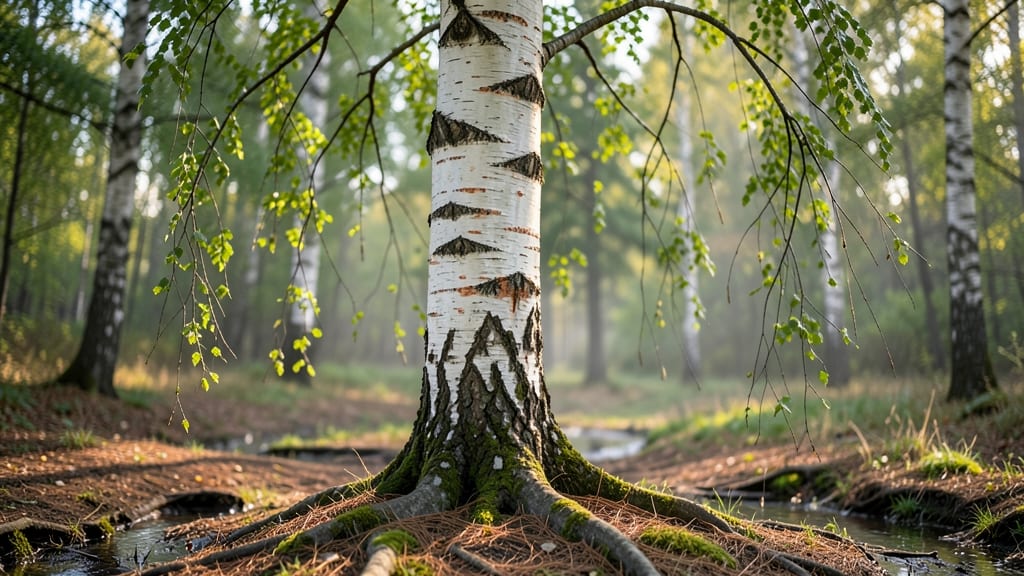
Curious about how tall do white birch trees grow before you commit to planting one? These striking 🌳 trees can become a stunning focal point—or a space-hogging giant—depending on the variety and growing conditions.
White birch trees (Betula papyrifera) typically reach heights between 40 to 70 feet at maturity, making them one of the most impressive native trees in North America.
But here’s the catch: their growth rate and final height depend heavily on where you live and how you care for them.
If you’re dreaming of a towering, elegant tree that adds drama to your landscape, you’ll want to know which varieties stay compact and which ones shoot up like skyscrapers. I’ll break down the differences so you can pick the perfect fit for your yard.
Whether you’re planning a privacy screen or just love the look of peeling white bark, understanding their growth habits is the key to long-term satisfaction. Let’s dive into what you need to know before planting!

White Birch tree height by variety: mature sizes and growth rates
White birch trees (primarily Betula papyrifera) are stunning additions to any landscape, but their mature height varies dramatically by variety. If you're planning your garden layout, knowing these differences is essential for spacing and long-term growth planning.
The most common types—Paper Birch, River Birch, and Gray Birch—each offer unique heights and growth habits that suit different spaces.
For example, the iconic Paper Birch often reaches 50-70 feet at maturity, making it a statement piece for large properties. Meanwhile, River Birch typically stays shorter at 30-50 feet, perfect for medium-sized yards. Understanding these variations helps you choose the right variety for your available space and design goals.
Here’s a detailed comparison of how these varieties grow in height and what to expect from their growth rates:
| Variety | Mature Height (ft) | Growth Rate (ft/year) | Sunlight Needs | Soil Type |
|---|---|---|---|---|
| Paper Birch | 50-70 ft | 1-2 ft | Full sun | Well-drained, slightly acidic |
| River Birch | 30-50 ft | 1-1.5 ft | Partial sun to full sun | Moist, well-drained |
| Gray Birch | 20-30 ft | 0.5-1 ft | Full sun to partial shade | Adaptable, tolerates poor soil |
The Paper Birch is the fastest grower, adding 1-2 feet per year in ideal conditions, while the Gray Birch grows more slowly at 0.5-1 foot annually.
This means a Paper Birch planted today could reach 30 feet in just 15 years, while a Gray Birch would take twice as long to reach that height. These growth rates are critical for long-term planning, especially if you're aiming for quick privacy or shade.
Another key factor is how these trees spread. Paper Birch, for instance, develops a sprawling canopy that can reach 30-40 feet wide, while River Birch stays slightly narrower at 20-30 feet.
This spread must be accounted for in your garden layout to avoid overcrowding or shading out other plants. For example, planting a Paper Birch too close to a house or driveway could lead to root issues or falling branches as it matures.
If you're in a smaller yard, consider the Gray Birch or dwarf varieties like Betula papyrifera 'Pendula', which grows in a weeping form and stays under 15 feet tall. These options provide the same elegant bark and foliage without dominating your outdoor space.
For larger properties, the Paper Birch is unmatched in height and visual impact, creating a dramatic focal point in your landscape.
When selecting a white birch variety, also consider your climate zone. Paper Birch thrives in USDA zones 2-6, making it ideal for northern regions, while River Birch does well in zones 4-9, extending its range to warmer southern areas.
This adaptability means you can enjoy white birch trees almost anywhere in the U.S., but their height potential will vary based on local growing conditions.
For instance, a Paper Birch in Minnesota might reach 60-70 feet due to cooler temperatures and longer growing seasons, while the same tree in Arizona could max out at 40-50 feet due to heat stress.
Always check your local climate and soil conditions to set realistic expectations for height and growth rate.
One common misconception is that all white birch trees grow equally tall. In reality, their height is influenced by genetics, care, and environment. For example, a Paper Birch grown in rich, moist soil with full sun exposure will outpace one planted in dry, rocky soil with partial shade.
Paying attention to these factors ensures you choose the right variety for your specific conditions and desired outcome.
🌳
Factors that influence white Birch tree height: soil, climate, and care
White birch trees (Betula papyrifera) can reach impressive heights, but their growth isn’t just about genetics—your local climate, soil quality, and care practices play huge roles. Understanding these factors helps you maximize or control their height for your landscape goals.
For example, Paper Birch trees thrive in cool climates like USDA Zones 2-6, where they can grow 50-70 feet tall. However, in warmer regions like Zone 7, their growth may slow, reaching only 30-40 feet. This difference shows how temperature directly impacts height potential.
🌳
White birches prefer well-draining, slightly acidic soil (pH 4.5-6.0). Compacted or waterlogged soil stunts root growth, limiting height. Amend clay soil with compost or sand to improve drainage.
Full sun (6+ hours daily) fuels rapid growth, while shade reduces height by up to 30%. Plant in open areas to encourage vertical expansion.
Deep watering (15-20 gallons weekly) during the first 3 years supports strong trunk development. Drought stress in young trees can permanently limit mature height.
Strategic pruning in late winter removes competing branches, directing energy upward. Avoid heavy pruning after summer solstice, which can reduce next year’s growth by 20-30%.
High winds in open areas can cause stunted growth or bent trunks. Shelter young trees with windbreaks or plant near buildings to protect them.
A balanced 10-10-10 fertilizer applied in early spring boosts height growth by 10-15%. Over-fertilizing with nitrogen can lead to weak wood, increasing storm damage risk.
If you’re planting white birch trees for privacy screens, focus on soil prep and watering to encourage faster vertical growth. For smaller landscapes, prioritize pruning and wind protection to keep heights manageable.
🌿
Remember, patience is key—white birches grow 1-2 feet per year in ideal conditions. With the right care, you’ll see dramatic height increases within 5-10 years, making them a stunning focal point in your garden.