
Trees
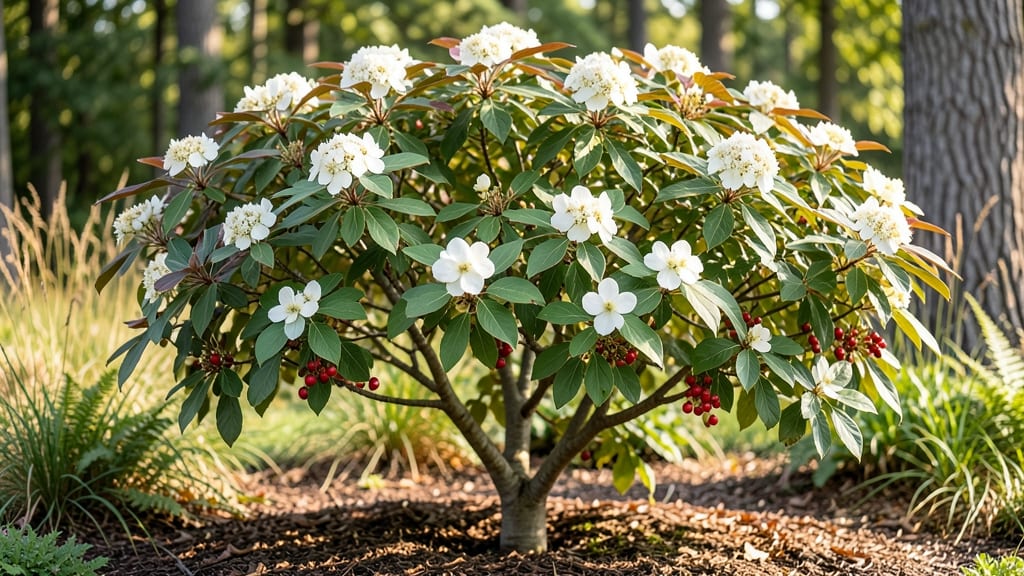
Wondering how tall do white dogwood trees grow before you commit to planting one? These elegant 🌳 trees can reach heights that might surprise you—typically between 15 to 25 feet at maturity, though some cultivars stretch closer to 30 feet under ideal conditions.
If you're envisioning a graceful shade tree for your yard, the height matters more than you think. A white dogwood’s mature size affects everything from sunlight access for other plants to whether it’ll fit snugly in your landscape design.
The good news? With the right care, you can influence its growth—whether you want it towering or trimmed to a more manageable size.
Let’s break down what determines a white dogwood’s height, from soil quality to pruning techniques. You’ll learn how to encourage healthy growth or gently guide it to stay within your space limits. Ready to make your yard the talk of the neighborhood with this stunning tree?
We’ll also cover the best times to prune and how to keep your white dogwood thriving for decades. Whether you’re a seasoned gardener or just starting, these tips will help you get the most out of your tree—without any unexpected surprises.

Mature height range of white dogwood trees: what to expect
White dogwood trees (Cornus florida 'White Cloud' and similar cultivars) are prized for their showy white spring blooms and glossy foliage, but their mature height often surprises new gardeners.
On average, these trees reach 15 to 30 feet tall at maturity, though some exceptional specimens can stretch up to 40 feet in ideal conditions. The exact height depends on cultivar, growing conditions, and pruning practices.
For example, the popular 'Florida Glory' cultivar typically matures around 20 to 25 feet, while 'Alexandria' may stay slightly shorter at 15 to 20 feet.
These trees also develop a spreading canopy of 15 to 25 feet wide, so their overall footprint is nearly as wide as they are tall. Planning for this horizontal growth is just as important as accounting for height.
Here’s how their growth compares to familiar landmarks: a 20-foot white dogwood is roughly the height of a two-story house, while a 30-foot specimen towers over a three-story building.
This makes them ideal for large yards or landscape focal points, but less suitable for small urban gardens unless you’re prepared for regular pruning.
| Stage | Height Range | Notes |
|---|---|---|
| Year 1 | 2–3 ft | Focus on root establishment |
| Year 2 | 4–6 ft | Rapid vertical growth begins |
| Year 3 | 8–12 ft | Canopy development starts |
| Mature (10+ years) | 15–40 ft | Height varies by cultivar and care |
Regional climate plays a significant role in determining final height. In warmer USDA zones (7-9), white dogwoods often grow taller due to longer growing seasons, while in cooler zones (5-6), growth may be slightly stunted.
For instance, trees in Southern California might reach 30 feet, whereas those in New England may max out at 20 feet.
Soil quality also impacts height. Well-draining, rich loam with organic matter encourages faster growth, while clay-heavy or waterlogged soil can restrict height and overall health. If your soil is poorly draining, consider amending it with compost or sand before planting to promote optimal growth.
Another factor is sunlight exposure. While white dogwoods thrive in partial shade, they grow taller and fuller when given morning sun. In deep shade, their growth may be slower and more compact.
If you’re planting near other tall trees, expect a slightly shorter specimen compared to one planted in an open, sunny location.
Finally, pruning habits can dramatically influence height. Regular pruning to remove suckers and shape the canopy can keep a white dogwood at 15 to 20 feet, while neglecting pruning may lead to a wild, unruly growth pattern exceeding 30 feet.
We’ll cover pruning techniques in detail in the next section to help you maintain your desired height.
Understanding these growth patterns helps you plan your landscape effectively. Whether you’re aiming for a privacy screen, a shade provider, or a garden centerpiece, knowing how tall your white dogwood will grow ensures you choose the right location from the start. 🌳
Factors that influence white dogwood tree height growth
White dogwood trees (Cornus florida) are stunning additions to any landscape, but their mature height isn’t set in stone—it’s shaped by several key factors. Understanding these variables helps you predict growth and plan accordingly for your backyard space or urban garden.
Let’s explore what truly makes these trees reach for the sky—or stay a little shorter.
The most critical factor is sunlight exposure. While white dogwoods thrive in partial shade, they’ll grow taller when planted in full sun conditions. In shadier spots, their growth slows, often resulting in a 15–20 ft mature height rather than the full 30–40 ft range.
This is why east-facing or west-facing locations often yield the most dramatic specimens.
- 1. Sunlight: Full sun = taller growth (up to 40 ft); partial shade = shorter (15–25 ft).
- 2. Soil Quality: Rich, well-draining soil fuels faster height growth; poor soil stunts growth.
- 3. Water Availability: Consistent moisture in early years accelerates growth; drought stress slows it.
- 4. Pruning Practices: Regular pruning can reduce height by 30–50%; lack of pruning = natural height.
- 5. Climate Zone: Warmer zones (USDA 7–9) promote faster growth; colder zones (USDA 5–6) slow height gain.
Next up is soil quality, which directly impacts root development and nutrient uptake. White dogwoods prefer well-draining, slightly acidic soil (pH 4.5–6.0). If your soil is clay-heavy or sandy, amend it with compost or organic matter to encourage deeper root systems.
Poor soil conditions can reduce mature height by 10–15 ft, so don’t skip this step if you want a towering tree.
Water availability plays a surprising role, especially in the first 3–5 years of growth. Adequate moisture during dry spells helps the tree allocate energy toward vertical growth rather than stress responses.
In contrast, chronic drought can stunt height by 20–30%. Mulching around the base with 2–3 inches of organic mulch retains moisture and supports steady upward growth.
Finally, pruning practices can dramatically alter a white dogwood’s height. Strategic pruning in late winter or early spring can reduce height by 30–50% if you target the central leader or upper branches.
However, avoid heavy pruning in summer, as this can stress the tree and slow future growth. For a compact look, prune annually to shape the canopy.
By paying attention to these factors, you can steer your white dogwood toward your desired height—whether you’re aiming for a towering shade provider or a manageable small-tree statement. The right conditions turn these trees into architectural marvels! 🌳