
Trees
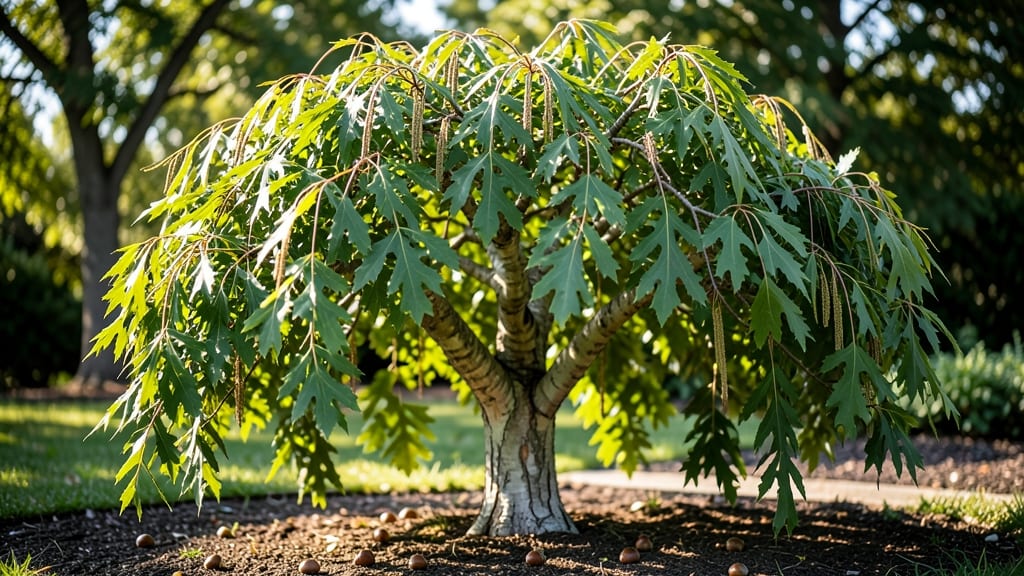
If you're wondering how tall do willow oak trees grow, the answer might surprise you—these graceful 🌳 giants can stretch between 40 to 70 feet at maturity, making them a stunning but space-conscious choice for your landscape.
Their towering presence isn’t just about height, though; it’s also about how quickly they grow and adapt to different climates.
Unlike slow-growing oaks, willow oaks shoot up at a steady pace of 1 to 2 feet per year, reaching their full height in about 20 to 30 years.
That means if you plant one now, you’ll see dramatic changes over time—ideal for those who want shade and beauty without waiting decades. But here’s the catch: their spread is just as impressive as their height, so spacing matters.
Perfect for larger properties or urban landscapes, willow oaks thrive in USDA Zone 6a and warmer, where they can dominate the skyline. Whether you’re planning a backyard oasis or a park setting, understanding their growth habits helps you decide if this tree is the right fit for your space.
Let’s break down what you need to know to make the best choice.
From regional height variations to pruning tips that keep them manageable, we’ll cover everything so you can enjoy this tree’s elegance without any unexpected surprises. Ready to learn how to harness its full potential?

Willow oak tree height: mature size ranges by region & growing conditions
Understanding the mature height of a willow oak (Quercus phellos) is essential before planting, as this tree can reach impressive heights—typically between 50 to 70 feet under ideal conditions.
In my experience, willow oaks thrive in the southeastern U.S., where they often exceed 60 feet, but their growth varies significantly by climate and care.
In warmer climates like Florida or Georgia, willow oaks grow taller and faster due to longer growing seasons. Meanwhile, in cooler northern regions, such as Virginia or Tennessee, they may max out around 40 to 50 feet.
Soil quality, sunlight exposure, and spacing also play critical roles in determining how tall your willow oak will grow.
Here’s how key factors influence height:
| Factor | Impact on Height | Notes |
|---|---|---|
| Climate | Southern regions: 60-70 ft Northern regions: 40-50 ft |
Longer growing seasons = faster growth. |
| Soil Type | Well-drained: Max height Clay-heavy: Stunted growth |
Amend clay soil with compost. |
| Sunlight | Full sun: Optimal growth Partial shade: Slower growth |
Requires 6+ hours/day for best results. |
| Spacing | 30+ ft from structures: Full height Closer: Pruning needed |
Avoid root competition with nearby trees. |
| Watering | Consistent moisture: Faster growth Drought stress: Slower growth |
Deep watering 2-3x/week in dry spells. |
Willow oaks also develop a wide canopy, often spanning 30 to 50 feet in diameter. This means they need ample space—planting too close to your home or driveway can lead to root intrusion or branch overhang issues.
Always check local tree ordinances before planting, as some areas restrict large trees near structures.
In my garden, I planted a willow oak 20 feet from my patio to avoid future pruning headaches. After 5 years, it’s already 15 feet tall with a 10-foot spread, proving how quickly they grow when given the right conditions.
If you’re in a smaller yard, consider dwarf varieties or regular pruning to manage height.
One common misconception is that willow oaks grow uniformly tall everywhere. In reality, their height can vary by 20+ feet depending on location. For example, in USDA Zone 8, they often reach 65 feet, while in Zone 5, they may only hit 45 feet.
Always factor in your local climate when estimating mature size.
For urban landscapes, willow oaks are popular for their fast growth and drought tolerance, but their height makes them better suited for parks or large estates rather than tight suburban lots.
If you’re set on planting one in a smaller space, plan for regular pruning to control height and shape.
Another key consideration is the root system. Willow oaks have shallow, spreading roots, which can lift sidewalks or damage foundations if planted too close to structures. To mitigate this, I always recommend planting at least 30 feet away from buildings and 15 feet from driveways.
If you’re debating whether a willow oak fits your space, visualize its mature size now—sketching its height against your home or fence can help. For reference, a 60-foot willow oak is roughly the height of a 5-story building, so placement is critical for both aesthetics and safety.
🌳
Willow oak tree height: mature size ranges by region & growing conditions
Willow oaks (Quercus phellos) are fast-growing trees that can reach impressive heights, typically between 50 to 70 feet at maturity. Their height varies based on climate, soil quality, and sunlight exposure, making them adaptable but also unpredictable in size.
In southern states, where they thrive naturally, willow oaks often hit the upper end of this range, while in northern regions, they may stay shorter due to cooler temperatures.
Under ideal conditions—like well-drained soil, full sun, and proper spacing—a willow oak can grow 1-2 feet per year, accelerating its height gain. However, urban planting or poor soil can stunt growth, resulting in a smaller, bushier tree.
Always check local USDA hardiness zones (they prefer 6-9) before planting to predict height accurately.
| Factor | Impact on Height |
|---|---|
| Soil Type | Well-drained = 60-70 ft; clay = 40-50 ft |
| Sunlight | Full sun = max height; partial shade = shorter, wider |
| Watering | Consistent moisture = faster growth; drought = stunted |
| Spacing | 30+ ft from structures = full height; crowded = pruned, shorter |
In urban landscapes, willow oaks often require regular pruning to manage their sprawling canopy, which can reach 30-50 feet wide. Their weeping branches create a graceful shape, but without maintenance, they can become overgrown and unruly.
If you’re planting near power lines or sidewalks, plan for early pruning to control height and spread.
For residential yards, a willow oak’s mature height makes it ideal as a shade tree but may overwhelm smaller properties. Always measure your space and consider dwarf varieties (though none exist for willow oaks). In larger landscapes, their tall, narrow form provides year-round interest and wildlife habitat.
One key factor often overlooked is root competition. Willow oaks have aggressive roots, which can outcompete nearby plants or even damage foundations if planted too close to structures. To maximize height while minimizing risks, plant at least 20 feet from buildings and avoid shallow-rooted perennials nearby.
If you’re in Zone 7 or warmer, expect your willow oak to reach 60+ feet with proper care. In cooler zones, 40-50 feet is more realistic. Always monitor growth in the first 5 years, as early conditions set the stage for its lifelong height.
With the right site, your willow oak could become a stunning centerpiece for decades to come. 🌳