
How To
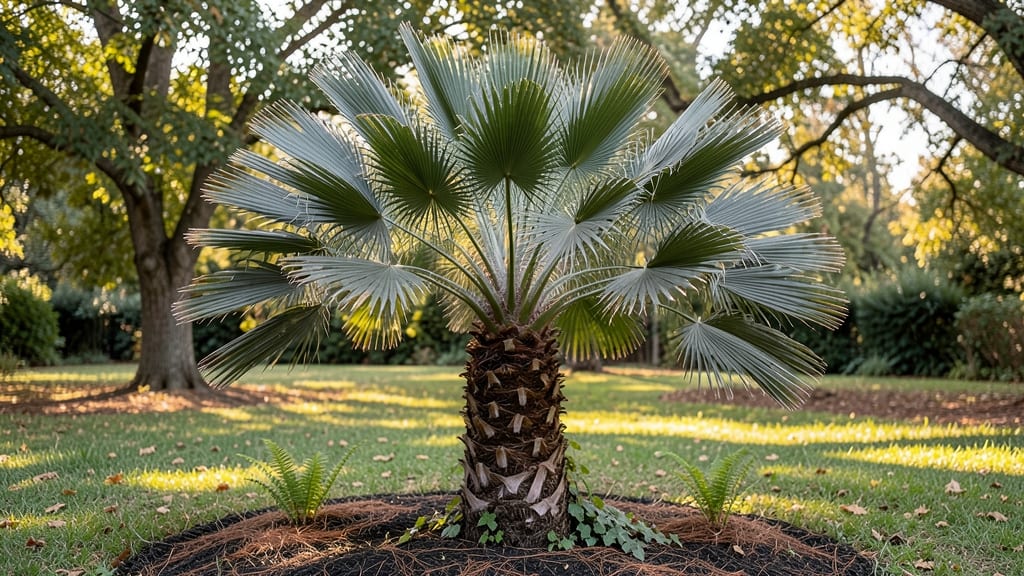
If you're wondering how tall do windmill palms grow, you're not alone—many gardeners hesitate before adding these tropical beauties to their space. The good news?
These 🌴 Windmill Palms offer versatility, reaching heights between 10 to 25 feet at maturity, but their growth rate and final size depend on variety, care, and environment.
For those in USDA Zones 9b-11, where these palms thrive year-round, the standard Windmill Palm (Trachycarpus fortunei) typically grows between 15 to 20 feet, making it a stunning focal point for landscapes.
But don’t worry—dwarf varieties (though rare) or container planting can keep them more manageable, perfect for patios or smaller yards.
What truly sets these palms apart is their adaptability. Whether you're planning a lush backyard retreat or a cozy container garden, understanding their growth habits helps you choose the right spot and care routine.
From sun exposure to soil drainage, small tweaks can influence how tall (or compact) your Windmill Palm becomes over time.
Ready to transform your outdoor space? Let’s break down the factors that shape their height—so you can enjoy a palm that fits your vision, whether it’s a towering statement piece or a smaller, elegant accent. You’ll learn how to nurture one that thrives in your unique setting.

Windmill palm mature height by variety: what to expect in your landscape
Windmill palms—scientific name Trachycarpus fortunei—are iconic tropical plants known for their fan-shaped fronds and hardy nature. But how tall do they grow? The answer depends on the variety, growing conditions, and whether you're planting them in containers or the ground.
Let me break down the mature height ranges so you can plan your landscape with confidence.
For most gardeners, the standard windmill palm reaches 10 to 25 feet tall at maturity. That’s roughly the height of a two-story house or a telephone pole! However, some varieties stay shorter, making them perfect for smaller yards or containers. Let’s explore the specifics.
| Variety | Mature Height | Growth Rate | Best For |
|---|---|---|---|
| Trachycarpus fortunei (Standard Windmill Palm) | 10–25 ft | 1–2 ft/year (young), slows with age | Landscaping, large yards, urban streetscapes |
| Chamaerops humilis (Dwarf Mediterranean Fan Palm) | 6–10 ft | 6–12 inches/year | Containers, small yards, patios, Mediterranean climates |
| Trachycarpus wagnerianus (Dwarf Windmill Palm) | 8–12 ft | 8–12 inches/year | Containers, small spaces, cold-hardy zones (8a) |
| Trachycarpus 'Minor' (Compact Windmill Palm) | 6–8 ft | 4–6 inches/year | Bonsai, small pots, indoor/outdoor decor |
The standard windmill palm (Trachycarpus fortunei) is the most common variety, making it a staple in southern landscapes. Its height can vary based on growing conditions, but in ideal settings, it often tops out around 20 feet.
If you’re in a USDA Zone 9b–11, this variety thrives and reaches its full potential.
For smaller spaces, the dwarf Mediterranean fan palm (Chamaerops humilis) is a game-changer. It stays between 6 and 10 feet tall, making it ideal for containers, patios, or small yards.
This variety also handles cooler climates better than its taller cousins, so it’s a great choice if you live in Zone 8a or higher.
If you’re looking for a cold-hardy option that still adds tropical flair, consider Trachycarpus wagnerianus. It grows to 8–12 feet and tolerates temperatures down to 10°F, making it perfect for northern gardens or areas with winter chills. Its slower growth rate also means less frequent pruning.
Lastly, if you’re dreaming of a miniature windmill palm for your windowsill or bonsai collection, the 'Minor' cultivar is your best bet. It maxes out at 6–8 feet and grows at a glacier’s pace, making it perfect for slow, controlled growth.
Just note that this variety is rare and often requires specialty nurseries to source.
No matter which variety you choose, windmill palms are low-maintenance once established. With the right soil, sunlight, and watering, you’ll enjoy their tropical beauty for decades without the space concerns of other large palms. 🌴
Factors that influence windmill palm height: sun, soil, and space
Your windmill palm’s mature height isn’t set in stone—it’s shaped by three key factors: sunlight, soil quality, and whether it’s planted in-ground or a container. Understanding these will help you steer its growth toward your vision, whether that’s a towering landscape statement or a compact patio centerpiece.
Sunlight is the biggest height regulator. In full sun (6+ hours daily), windmill palms grow taller and fuller, reaching their maximum height potential (10–25 ft). But in partial shade (3–6 hours of sun), growth slows, often capping at 12–18 ft—ideal for smaller yards.
Too little light? Expect stunted fronds and a shrub-like shape instead of a graceful palm.
Soil drainage is just as critical. Windmill palms hate soggy roots, which can slow growth or even kill the plant. Amend heavy clay soil with compost or sand to improve drainage.
In containers, use a palm-specific mix with perlite or bark chips. Poor drainage? Your palm may grow only 50% of its expected height due to stress.
Container size directly impacts height. A 5-gallon pot might keep your palm at 6–8 ft tall, while a 15-gallon container allows 10–15 ft growth. For in-ground planting, windmill palms thrive in well-draining, slightly acidic soil (pH 6.0–7.0).
Add organic matter like peat moss or coconut coir to mimic their native tropical conditions.
Even with ideal conditions, growth rates vary by climate zone. In USDA Zones 9b–11, windmill palms grow 2–3 ft per year in optimal conditions. In cooler zones (like Zone 8 with microclimates), growth slows to 1–2 ft annually.
If you’re in a cooler zone, consider Chamaerops humilis (European fan palm), which tolerates Zone 7 and maxes out at 8–10 ft.
Pro tip: To encourage compact growth, fertilize lightly with a low-nitrogen palm fertilizer (3-4-6 ratio) in spring and summer. Over-fertilizing can lead to excessive frond growth but weaker stems—think taller but less stable palms. For height control, prune older fronds in late winter to redirect energy to new growth.
Now that you know how to tweak your palm’s height, the next step is learning how to prune for shape and health—without sacrificing its natural beauty. Let’s dive into that in the next section! 🌿