
Plants
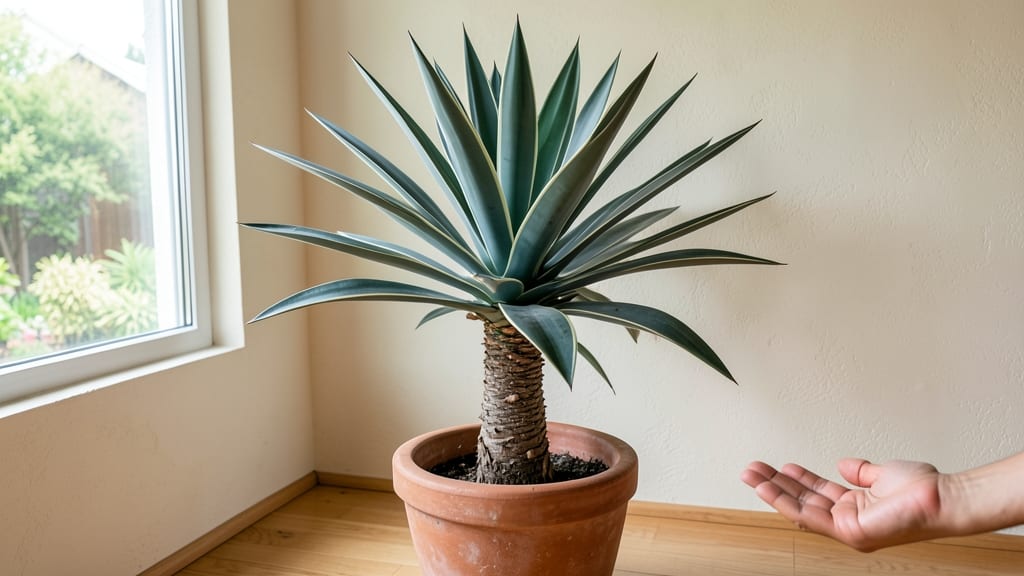
If you’re dreaming of adding a dramatic, architectural plant to your landscape but aren’t sure how tall a yucca can grow, you’re in the right place.
These striking 🌵 plants range from compact ground covers to towering giants, making them incredibly versatile for any garden—whether you’ve got a cozy patio or a sprawling backyard.
The height of your yucca depends entirely on the species, with some varieties reaching heights of 20 feet or more, while others stay neatly under 4 feet.
For example, the Yucca filamentosa (Adam’s needle) typically grows to about 3-6 feet, perfect for borders or small gardens, while Yucca gigantea can soar to 15-20 feet, making it a statement piece for larger landscapes.
But here’s the good news: even if you love the look of a tall yucca, you can control its size with simple pruning techniques.
Whether you’re working with a dwarf variety or a fast-growing giant, understanding how to manage its growth ensures it fits your space—and your vision—without overpowering your garden.
Let’s break down the height variations, growth factors, and expert tips to help you choose—and cultivate—the perfect yucca for your outdoor space. Ready to transform your garden with these striking plants?

Yucca plant height variations: from dwarf to giant species
Yucca plants are famous for their striking, architectural forms, but their mature heights can differ dramatically depending on the species. Some varieties stay compact enough for patio pots, while others grow into towering desert giants. Understanding these variations helps you choose the perfect yucca for your space and climate.
If you're planning your garden layout, height is everything. A Yucca rostrata can reach 20 feet tall—taller than most basketball hoops—while a Yucca filamentosa typically stays between 3 to 6 feet.
The difference isn't just about aesthetics; it also impacts spacing, pruning needs, and even how you group plants in your landscape design.
Here’s a quick look at how some of the most popular yucca species compare in height, so you can visualize their mature sizes before planting:
For example, Yucca gloriosa, also called the Spanish dagger, is a dwarf variety perfect for small spaces like patios or balconies. It rarely exceeds 4 feet and thrives in containers, making it ideal for urban gardeners.
On the other end of the spectrum, Yucca rostrata, or soaptree yucca, is a desert giant that can dominate a landscape with its 20-foot stature.
Even within a single species, height can vary based on growing conditions. For instance, a Yucca elephantipes in a sunny, well-drained environment might grow taller and fuller than one planted in partial shade or poor soil.
This adaptability means you can influence your yucca’s growth to some degree with the right care.
If you're growing yuccas in containers, expect them to stay 20–50% shorter than their in-ground counterparts. Root restriction naturally limits their height, which is great news for balcony gardens or rooftop terraces. Just ensure your pot has drainage holes and use a fast-draining mix to prevent root rot.
Another factor to consider is climate. Yuccas in hot, arid regions like Arizona or Nevada often grow taller and more robust than those in cooler coastal climates.
For instance, a Yucca filamentosa in Zone 8 might reach 6 feet, while the same plant in Zone 5 could max out at 4 feet due to slower growth rates.
When planning your garden, always check the mature height of the specific cultivar you’re buying. Nursery tags or plant descriptions often include this info, but if not, ask! A 6-foot yucca planted too close to a 10-foot window will eventually block sunlight and cast unwanted shade on other plants.
For a low-maintenance solution, consider dwarf hybrids like Yucca 'Color Guard', which stays under 3 feet and features striking variegated foliage. These are perfect for adding texture and color without the commitment of a towering specimen.
Yucca plant height variations: from dwarf to giant species
Yucca plants showcase an incredible range of heights, from compact ground covers to towering architectural giants. The Yucca filamentosa, or Adam's needle, typically reaches 3 to 6 feet tall with a spread of 4 to 6 feet, making it a mid-sized statement plant.
Meanwhile, the Yucca gigantea can soar to 20 feet or more, resembling a small tree with its thick trunk and sword-like leaves.
For smaller gardens, Yucca rostrata, also called the beaked yucca, stays between 4 to 8 feet tall but spreads wider, creating a low, dramatic mound.
On the other end of the spectrum, Yucca elephantipes (spineless yucca) grows 6 to 12 feet tall, perfect for creating focal points in larger landscapes.
🌵
Even within a single species, height variations occur due to climate conditions and growing environments. For example, Yucca filamentosa in USDA Zone 7 or warmer may grow taller and bushier than the same plant in Zone 5, where colder winters slow growth.
Additionally, container-grown yuccas often stay shorter because their root systems are restricted, making them ideal for patios or balconies.
If you're planning a yucca garden, consider the mature height and spread to avoid overcrowding. For instance, Yucca gigantea needs ample space to avoid competing with nearby plants, while Yucca gloriosa can thrive in smaller containers or as a border plant.
Always check the specific variety's growth habits before planting to ensure it fits your space and design vision.
🌿