
Flowers
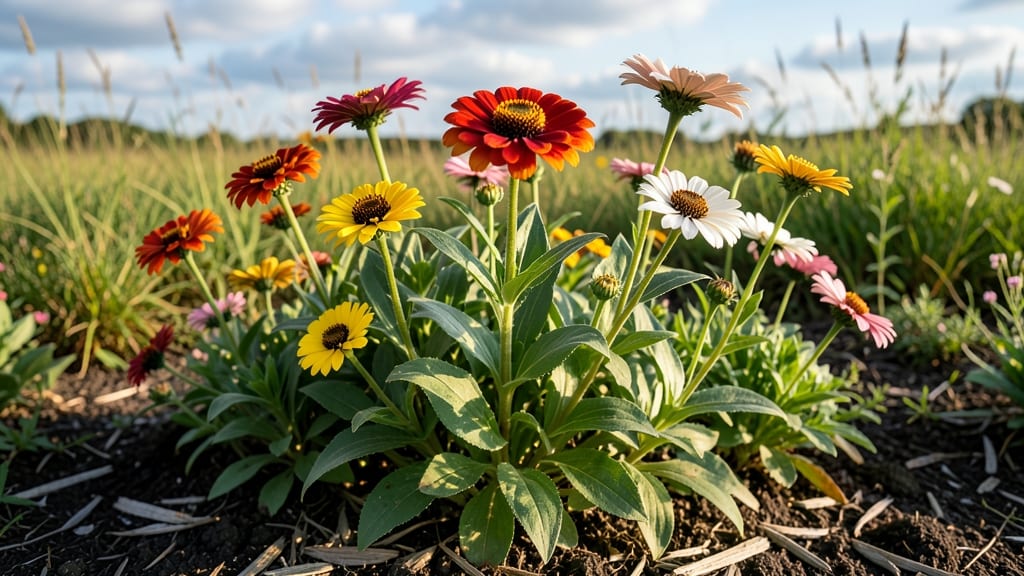
If you've ever wondered "how tall do zinnia flowers grow", the answer might surprise you—these vibrant blooms can range from barely reaching your knees to towering over your head, all depending on the variety you choose.
Whether you're designing a cozy cottage garden or a dramatic border, zinnias offer the perfect mix of height and color to fit any space.
Picture this: dwarf zinnias like 'Thumbelina' stay compact at just 6-12 inches, making them ideal for containers or edging, while varieties like 'Benary’s Giant' can stretch up to 4 feet or more, adding vertical interest to your landscape.
The key to unlocking their full potential? Understanding their growth habits and how simple pruning techniques can shape their height over time.
But here’s the thing: even the tallest zinnias don’t need to become unruly. With the right care—like deadheading spent blooms or providing staking for leggy stems—you can keep them lush and manageable.
I’ll walk you through the best varieties for your garden size, plus easy tips to control their height so you can enjoy their beauty without the hassle.
Ready to transform your garden with zinnias that fit perfectly? Let’s dive into the height chart, pruning secrets, and the best ways to use these cheerful blooms—whether you want them as cut flowers or border stars. Your garden’s next highlight might be just a few inches away!

Zinnia height chart by variety: from dwarf to giant blooms
Zinnias are one of the most versatile flowers in your garden, offering heights that range from tiny tabletop companions to towering statement plants.
The variety you choose determines not just how tall your zinnias will grow, but also their bloom size, growth habit, and even their ideal garden placement.
Whether you're designing a container garden or a backyard border, knowing these height differences helps you create a balanced, eye-catching display.
Most zinnias fall into four distinct height categories: dwarf, semi-dwarf, standard, and giant. Each category serves a unique purpose in your garden layout.
For example, dwarf zinnias are perfect for window boxes or front-row plantings, while giant varieties make stunning cut flowers or backdrop plants. Let’s explore the specifics so you can pick the perfect zinnias for your space.
| Variety Type | Height Range | Bloom Size | Growth Habit | Best For |
|---|---|---|---|---|
| Dwarf | 6–12 inches | 1–2 inches | Compact, bushy | Containers, borders, window boxes |
| Semi-Dwarf | 1–2 feet | 2–3 inches | Upright, slightly spreading | Front of beds, mixed borders |
| Standard | 2–3 feet | 3–4 inches | Tall, sturdy stems | Back of borders, cut flowers |
| Giant | 3–4 feet | 4–6 inches | Tall, may need staking | Cut flower arrangements, tall backdrops |
🌸 Pro Tip: Always check seed packets for exact height ranges, as some varieties can vary slightly.
If you're working with limited space, consider the 'Thumbelina' series, which stays under 12 inches tall but produces cheerful, pom-pom-like blooms. These are perfect for hanging baskets or small pots on patios.
On the other hand, 'Benary’s Giant' can reach 4 feet tall and is ideal for cut flower arrangements or as a dramatic backdrop in your garden.
Another factor influencing height is your growing conditions. Zinnias thrive in full sun (6+ hours daily) and well-draining soil, but even with ideal care, some varieties naturally grow taller. For instance, 'Profusion' zinnias, while classified as semi-dwarf, can occasionally reach 2 feet if given extra nutrients.
Always monitor your plants and provide supportive stakes if needed, especially for taller varieties.
For gardeners who love layered designs, mixing heights creates visual interest. Plant dwarf zinnias in the front, semi-dwarf varieties in the middle, and tall or giant zinnias in the back.
This technique not only maximizes your garden's potential but also ensures every plant gets the sunlight it needs without being shaded out by taller neighbors.
One common mistake is assuming all zinnias need the same amount of space and support. While dwarf varieties rarely need staking, giant zinnias often require bamboo stakes or cages to prevent flopping, especially in windy conditions.
Before planting, sketch a simple garden layout to visualize how each variety will fit into your design.
If you're growing zinnias for cut flowers, taller varieties like 'Double Hit' or 'Crystal' series are excellent choices. These can produce long, sturdy stems that hold up well in vases, often lasting 7–10 days with proper care.
For long-stemmed blooms, harvest in the early morning when stems are fully hydrated.
Finally, remember that pruning habits can influence height over time. Regular deadheading (removing spent blooms) encourages bushier growth and can sometimes keep plants slightly shorter by redirecting energy to new side shoots. We’ll dive deeper into pruning techniques in the next
How pruning affects zinnia height and flower production
Pruning zinnias isn't just about keeping them tidy—it’s a game-changer for controlling their height and boosting flower production. When you pinch back leggy stems early in the season, you trigger bushier growth and more compact plants.
This is especially useful for tall varieties like 'Benary’s Giant,' which can reach 4 feet without pruning. For dwarf zinnias like 'Thumbelina,' pruning is less critical but still helps maintain shape and encourage continuous blooms.
Deadheading—removing spent blooms—is the simplest way to extend your zinnia’s flowering season. By cutting back the faded flowers just above a set of leaves, you redirect the plant’s energy from seed production to growing new buds.
This technique works for all varieties, but it’s particularly effective for medium-height zinnias (1–2 feet) that thrive with regular deadheading. Without it, many zinnias will focus on producing seeds instead of more vibrant blooms.
Here’s how pruning impacts different zinnia types:
| Zinnia Type | Pruning Effect | Best Time to Prune | Height Control Tip |
|---|---|---|---|
| Dwarf (6–12 in) | Minimal pruning; deadhead to encourage reblooming | After flowering begins | Remove only faded blooms |
| Medium (1–2 ft) | Deadhead weekly; pinch back leggy stems | Every 2–3 weeks | Cut back 1/3 of stem to promote branching |
| Tall (2–4 ft) | Heavy pruning; stake for support | Early season and mid-summer | Trim tall stems to 18–24 in for bushier growth |
Seasonal pruning is key to managing zinnia height. In early spring, give your plants a light trim to encourage stronger stems and prevent them from becoming top-heavy. Mid-summer is the perfect time to cut back any overgrown stems, especially in tall varieties.
This not only controls height but also prevents the stems from snapping under the weight of heavy blooms. For giant zinnias, consider staking them early to support their height and prevent flopping.
If you’re growing zinnias for cut flowers, pruning becomes even more strategic. Harvest stems in the morning when blooms are fully open but not yet wilted. Cut at a 45-degree angle just above a leaf node to encourage new growth.
This method keeps your plants producing fresh blooms while also controlling their overall height. For container gardens, regular pruning ensures zinnias stay within bounds and don’t outgrow their pots.
Remember, the goal of pruning zinnias is to balance height and flower production. Over-pruning can stress the plant, while under-pruning leads to leggy, seed-heavy stems. Aim for a moderate approach: deadhead regularly, pinch back as needed, and trim tall stems to maintain your desired garden height.
With the right pruning habits, your zinnias will thrive—whether you want them as compact borders or towering backdrops.
✂️