
Plants
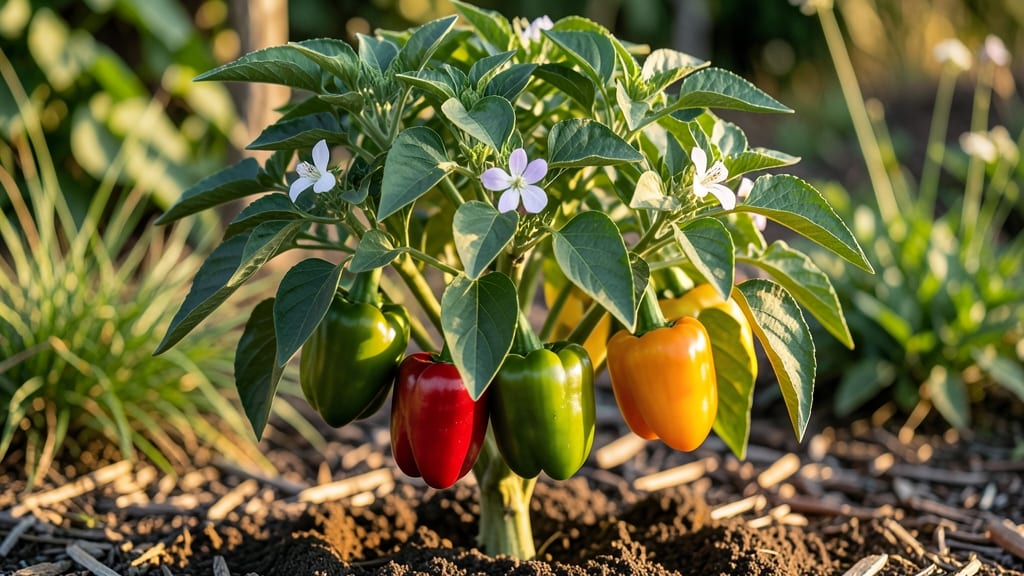
If you’ve ever wondered how tall a bell pepper plant grows, here’s the good news: some varieties stay under 2 feet—perfect for balconies, containers, or small gardens.
Knowing how tall your plants will grow is the first step to planning a thriving harvest without sacrificing room for other crops.
Most bell pepper plants reach heights between 18 and 36 inches, depending on the variety. Dwarf types like ‘Patio Princess’ or ‘Lunchbox’ stay compact, while standard varieties can stretch taller. The key to keeping them manageable? Pruning, proper spacing, and choosing the right cultivar for your growing conditions.
In this guide, I’ll break down exactly what to expect from common varieties, how to maximize yield in small spaces, and which space-saving options deliver big flavor without the bulk.
Whether you’re a first-time gardener or a seasoned green thumb, these tips will help you grow peppers—no matter how limited your space.
Ready to transform even a tiny plot into a pepper powerhouse? Let’s dive into the heights, varieties, and tricks that make it possible.

Standard bell pepper plant heights: what to expect from common varieties
Bell pepper plants come in a surprising range of heights, from compact dwarf varieties under 2 feet to towering standard types reaching 4 feet. The height you can expect depends entirely on the variety you choose, as genetics determine whether your plant will stay short or grow tall.
Most home gardeners work with standard varieties, but dwarf and semi-dwarf types are gaining popularity for small-space gardening.
Understanding these height differences is crucial for garden planning. A 4-foot-tall California Wonder pepper needs significantly more space than a 1.5-foot Patio Princess. Even in containers, height affects airflow, sunlight exposure, and overall plant health.
If you're working with limited space, selecting the right variety can mean the difference between a thriving plant and one struggling for light and air.
Genetics play the biggest role in determining height. Dwarf varieties are bred to stay compact, while standard types grow taller to support more fruit. Even within a single variety, pruning habits and growing conditions can influence final height by up to 12 inches. For example, a heavily pruned Jalapeño might stay under 3 feet, while an unpruned one could reach 4 feet.
Most bell pepper varieties fall into three height categories: dwarf (1-2 ft), semi-dwarf (2-3 ft), and standard (3-4 ft). The dwarf types are ideal for containers, balconies, or small gardens, while standard varieties dominate traditional in-ground plots.
Even within these categories, individual plants can vary by 6-12 inches depending on growing conditions.
| Variety | Height Range | Best For | Notes |
|---|---|---|---|
| California Wonder | 3-4 ft | In-ground gardens | Classic standard type; needs staking |
| Jalapeño | 2-3.5 ft | Containers or small plots | Semi-dwarf; prune for compact growth |
| Banana Pepper | 2-3 ft | Balconies or trellises | Curved fruit; stays bushy |
| Patio Princess | 1.5-2 ft | Containers or small spaces | Dwarf hybrid; high yield |
| Snackable Pepper | 1-1.5 ft | Windowsills or tiny pots | Ultra-compact; great for beginners |
If you're planning your garden layout, height affects spacing more than most gardeners realize. Standard varieties need 18-24 inches between plants, while dwarf types can thrive in 12-inch spacing. This means you could fit twice as many dwarf plants in the same space as standard types.
For example, a 4x8-foot raised bed could hold 16 Patio Princess plants but only 8 California Wonder peppers.
Another key factor is fruit production. Taller plants often produce more peppers, but they also require more structural support and pruning. Dwarf varieties may yield fewer peppers per plant, but their compact size makes them ideal for container gardening or urban farming.
For instance, a 5-gallon pot is perfect for a Snackable Pepper but far too small for a California Wonder.
Light exposure also plays a role in height. Plants grown in partial shade may stay shorter but produce fewer peppers, while those in full sun grow taller and more vigorous.
If you're using containers, ensure they're large enough to support the plant's mature height—root-bound plants grow slower and produce less fruit. A 5-gallon container works for dwarf varieties, but standard types need at least 7 gallons to thrive.
For first-time growers, I recommend starting with semi-dwarf varieties like Jalapeño or Banana Peppers. They strike a balance between height and yield, making them forgiving for gardeners still learning spacing and care techniques.
Once you're comfortable, you can experiment with taller varieties or even grow multiple dwarf plants in a single container for a bountiful harvest in small spaces.
Remember, even within a single variety, individual plants can vary by up to 12 inches in height. Factors like soil quality, watering consistency, and sunlight exposure all influence growth. By choosing the right variety
Standard bell pepper plant heights: what to expect from common varieties
Bell pepper plants come in a surprising range of heights, depending on the variety and growing conditions. Standard types like California Wonder or Jalapeño typically reach 3 to 4 feet tall, making them ideal for larger gardens or raised beds.
These varieties thrive when given plenty of space and full sun, but their height can be managed with proper pruning techniques.
On the other end of the spectrum, dwarf varieties like Patio Princess stay compact at just 18 to 24 inches tall, perfect for containers or small urban gardens.
The key difference lies in their genetics—dwarf plants are bred to focus energy on fruit production rather than vertical growth, while standard varieties prioritize height for structural support.
| Variety | Mature Height | Notes |
|---|---|---|
| California Wonder | 3–4 ft | Standard size, high yield, needs staking |
| Jalapeño | 2–3 ft | Compact but bushy, great for containers |
| Banana Pepper | 2–3 ft | Curved fruit, moderate height, good for trellising |
| Patio Princess | 1–2 ft | Dwarf variety, perfect for small spaces |
| Lunchbox | 1.5–2 ft | Ultra-compact, high yield in containers |
If you're working with limited space, semi-dwarf varieties like Carmen or Aristotle strike a balance at 2 to 3 feet tall. These plants still produce abundant fruit but require less vertical space than their standard counterparts.
For container gardening, prioritize dwarf or semi-dwarf types—they’ll thank you with easier maintenance and higher yields per square foot.
Another factor influencing height is pruning. Regularly pinching back suckers (the small shoots that form in the leaf axils) encourages the plant to grow bushier rather than taller. This technique is especially useful for standard varieties you want to keep under control in small gardens.
Finally, soil quality and sunlight exposure play a role in how tall your bell pepper plants grow. Poor soil or insufficient light can stunt growth, while rich, well-draining soil and full sun (6+ hours daily) promote healthier, more vigorous plants—regardless of variety.
For garden planning, always check the seed packet or plant tag for mature height estimates. This small step can save you from overcrowding or underutilizing space in your garden layout! 🌱