
Plants
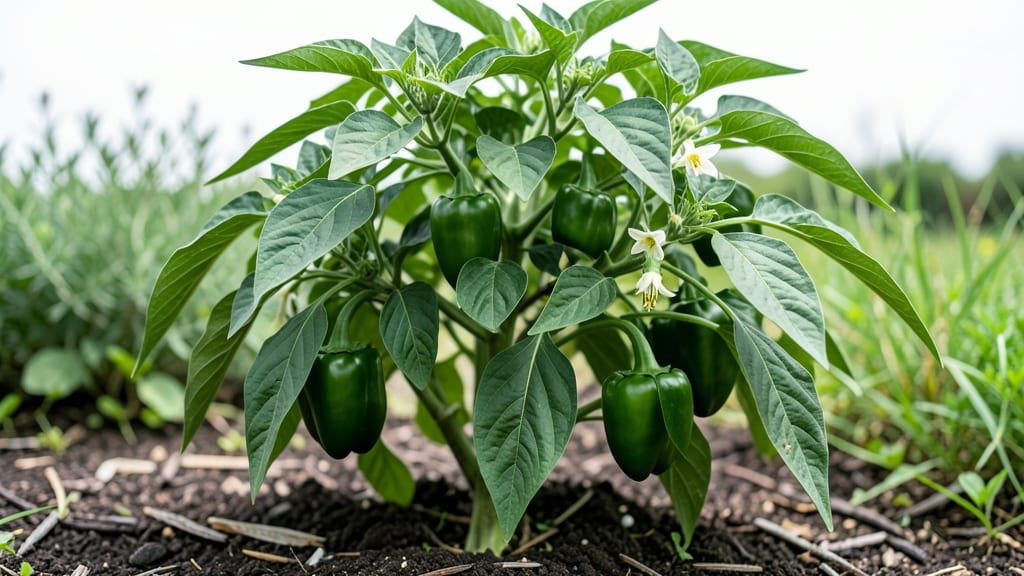
If you're dreaming of a thriving green bell pepper harvest but wondering how tall green bell pepper plants can grow, you're not alone. The height of these plants can swing wildly—some varieties barely reach your waist, while others tower over your head like a small tree.
For most gardeners in USDA Zone 6a, standard green bell pepper plants typically grow between 3 and 4 feet tall, making them perfect for backyard gardens with ample space.
But here's the kicker: compact or dwarf varieties stay a cozy 1.5 to 2 feet tall, ideal for containers or small balconies.
Whether you're planning to trellis your plants for vertical growth or tuck them into pots, understanding these height differences is the key to maximizing your harvest. I'll break down the best varieties for your space and share tips to keep your green bell peppers happy and productive.
Ready to find the perfect fit for your garden? Let's dive into how to choose the right variety and care for it to reach its full potential—no matter how much (or little) room you have.

Green bell pepper plant height by variety: compact vs. tall bush types compared
Green bell pepper plants (Capsicum annuum) come in a surprising range of heights, from compact dwarf varieties perfect for containers to tall bush types that can reach waist height. The variety you choose directly impacts your garden layout, trellising needs, and even harvest accessibility.
For example, a standard bush variety like 'California Wonder' typically grows 3-4 feet tall, while dwarf varieties like 'Patio Snack' stay under 2 feet—ideal for balconies or small spaces.
Understanding these differences helps prevent overcrowding and ensures each plant gets the sunlight and airflow it needs. Tall varieties often produce more peppers but require stronger support, while compact ones yield fewer but are easier to manage.
My personal garden uses a mix of both: tall varieties in the in-ground beds and dwarf types in large pots on the patio.
Here’s how to match your space to the right variety—because height isn’t just about space; it’s about maximizing your harvest without sacrificing plant health.
| Variety Type | Mature Height | Spacing Needs | Best For | Notes |
|---|---|---|---|---|
| Dwarf Varieties | 1.5–2 ft | 12–18 inches apart | Containers, balconies, small gardens | Examples: 'Patio Snack', 'Mini Bell' |
| Semi-Bush Varieties | 2–3 ft | 18–24 inches apart | Raised beds, in-ground gardens | Examples: 'Aristocrat', 'Keystone Resistant' |
| Standard Bush Varieties | 3–4 ft | 24–36 inches apart | Large gardens, trellised supports | Examples: 'California Wonder', 'Jupiter' |
| Trellised Varieties | 4–6 ft (with support) | 18–24 inches apart | Vertical gardens, small-footprint yields | Examples: 'Sweet Banana', 'Carmen' |
If you’re working with limited space, dwarf varieties like 'Patio Snack' are game-changers—they thrive in 5-gallon containers and produce plenty of peppers without sprawling. I’ve seen these grow 18–24 inches tall in a single season, making them perfect for urban gardeners or those with only a balcony.
For larger gardens, semi-bush varieties like 'Aristocrat' strike a balance. They grow 2–3 feet tall and produce heavier yields than dwarf types, but they still fit neatly into raised beds or in-ground plots.
The key is spacing: give them 18–24 inches between plants to prevent competition for nutrients and sunlight.
Standard bush varieties, like the classic 'California Wonder', are the tallest of the bunch, often reaching 3–4 feet. These are ideal for traditional garden beds where you have room to space them out.
However, they require sturdy supports if you want to maximize vertical growth or protect peppers from soil-borne diseases.
Don’t overlook trellised varieties like 'Sweet Banana', which can grow 4–6 feet tall when supported. This method saves space by growing plants upward, and it also makes harvesting easier since peppers hang within reach.
Just ensure your trellis is strong and wide enough to support the plant’s weight as it matures.
Pro tip: Always check the seed packet or plant tag for specific height ranges—some varieties can vary slightly based on growing conditions. For example, 'Jupiter' peppers might stay shorter in partial shade but reach their full height in full sun.
🌱
Green bell pepper plant height by variety: compact vs. tall bush types compared
Green bell pepper plants typically reach heights between 2 to 4 feet, but the exact size depends heavily on the variety you choose. Some compact types stay as short as 1.5 feet, while standard bush varieties can stretch toward 4 feet or taller.
Knowing these differences helps you plan your garden layout—whether you're working with a small balcony or a spacious backyard.
For example, dwarf varieties like 'Snackable' or 'Pico de Gallo' are perfect for containers and tight spaces, while standard bush types like 'California Wonder' or 'King of the North' need more room to spread.
Even within the same variety, factors like sunlight, pruning, and soil quality can influence how tall your plants grow.
Here’s a quick comparison of popular green bell pepper varieties and their mature heights:
| Variety | Height Range | Best For |
|---|---|---|
| Snackable | 1.5–2 ft | Containers, small spaces |
| Pico de Gallo | 2–2.5 ft | Balconies, raised beds |
| California Wonder | 3–4 ft | In-ground gardens, trellises |
| King of the North | 3.5–4.5 ft | Cold climates, larger plots |
If you’re growing green bell peppers in containers, opt for dwarf or semi-dwarf varieties to avoid overcrowding. These plants thrive in 5-gallon pots or larger, so choose a container at least 12 inches deep to accommodate their root systems.
For in-ground planting, space standard varieties 18–24 inches apart to give them room to grow and improve air circulation.
Another key factor is trellising. Some varieties, like 'Early Prolific' or 'Big Beef', can benefit from vertical support, which not only saves space but also reduces the risk of disease by keeping foliage off the ground. If you’re unsure about trellising, start with bush-type varieties—they’re more forgiving for beginners.
Finally, remember that pruning can influence height. Pinching off the top buds early in the season encourages bushier growth, while allowing the plant to grow taller may result in a more vertical structure. For compact varieties, minimal pruning is usually best to maintain their manageable size.
🌱