
How To
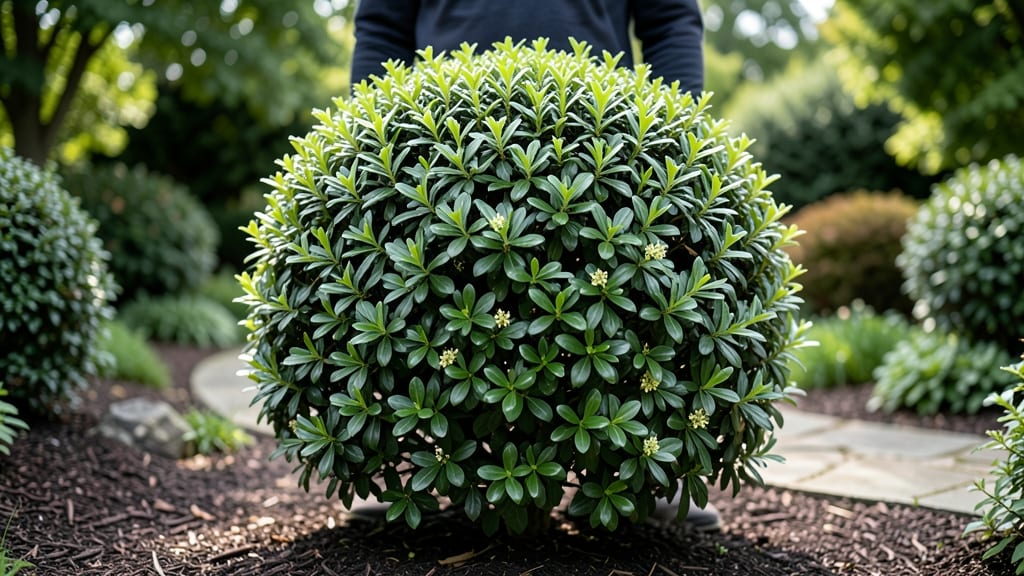
If you're planning your garden layout and wondering "how tall does a boxwood shrub grow", you're about to discover a world of possibilities—because these evergreen staples come in sizes that can transform your space from cozy to grand.
Whether you envision a neat, low hedge or a towering focal point, boxwoods like 'Green Velvet' or 'Winter Gem' offer heights that fit every vision, from 1 foot to over 10 feet at maturity.
What makes boxwoods so versatile isn't just their height range, but how easily they adapt to your pruning style. A dwarf variety like 'Suffruticosa' stays compact, perfect for borders or containers, while standard types like 'American Holly' reach impressive heights—ideal for foundation plantings or privacy screens.
The key? Understanding how pruning, soil, and sunlight influence their growth trajectory.
Let’s break down the height spectrum of popular boxwood cultivars so you can pick the perfect fit for your garden. We’ll also cover how to maintain their size—whether you want to keep them trim or let them grow wild. Ready to find the perfect boxwood for your space?
From spring planting tips to year-round care, this guide ensures your boxwood thrives at the exact height you envision. Whether you're a beginner or a seasoned gardener, these insights will help you create a landscape that’s both functional and stunning.

Boxwood height ranges by cultivar type: dwarf vs. standard vs. tall varieties
Boxwood shrubs offer an incredible range of heights, making them incredibly versatile for any garden design. From dwarf varieties perfect for window boxes to tall standards that anchor foundation plantings, the right cultivar can transform your outdoor space.
Understanding these height differences helps you select the perfect fit for your landscape vision.
Most boxwoods fall into four broad categories: dwarf (1-3 ft), semi-dwarf (3-6 ft), standard (6-15 ft), and tall varieties (over 15 ft).
Each category grows at different rates and requires specific pruning approaches to maintain its ideal form. Let’s explore the most popular cultivars in each group.
Dwarf boxwoods are ideal for small spaces and containers. Varieties like ‘Green Velvet’ and ‘Winter Gem’ stay compact, rarely exceeding 2 feet tall. These slow-growing shrubs are perfect for edging, rock gardens, or even as accent plants in window boxes. Their slow growth means minimal pruning is needed to maintain shape.
| Cultivar Type | Mature Height | Growth Rate | Pruning Needs |
|---|---|---|---|
| Dwarf | 1–3 ft | Slow (3–6 in/year) | Minimal (shape once yearly) |
| Semi-Dwarf | 3–6 ft | Moderate (6–12 in/year) | Light (trim 2x/year) |
| Standard | 6–15 ft | Fast (12–24 in/year) | Regular (trim 3x/year) |
| Tall | 15+ ft | Very Fast (24+ in/year) | Frequent (trim 4x/year) |
Semi-dwarf boxwoods like ‘Little Gem’ and ‘Suffruticosa’ strike a balance, reaching 3–6 feet tall at maturity. These are fantastic for hedges, borders, or as mid-height accents in mixed shrub beds. Their moderate growth rate means they require slightly more attention than dwarf varieties but still stay manageable.
For larger landscapes, standard boxwoods like ‘Angustifolia’ and ‘American Beauty’ dominate with heights of 6–15 feet. These are often used as foundation plants or tall hedges. Their faster growth rate means more frequent pruning—typically three times per year—to maintain shape and encourage dense foliage.
At the top of the height spectrum, tall boxwoods like ‘Buxus sempervirens ‘Fastigiata’ can reach over 15 feet when left unpruned. These are ideal for creating dramatic vertical accents or as natural privacy screens. However, their rapid growth requires aggressive pruning to control height and maintain a tidy appearance.
When selecting a boxwood cultivar, consider not just height but also growth rate and pruning requirements. A dwarf variety might be perfect for a small patio, while a standard or tall boxwood could anchor a large garden bed or provide year-round privacy.
Always check the specific cultivar’s details to ensure it aligns with your vision.
Remember, proper pruning is key to managing height. Regular trimming encourages bushier growth and prevents leggy, sparse shrubs. For dwarf varieties, a light trim once a year suffices, while taller boxwoods may need quarterly maintenance to stay in check.
With so many options, boxwoods can fit into almost any garden design—whether you need a tiny topiary or a towering hedge. Choose wisely, and you’ll have a shrub that thrives for decades with minimal fuss.
Boxwood height ranges by cultivar type: dwarf vs. standard vs. tall varieties
Boxwood shrubs are incredibly versatile, offering a stunning range of mature heights to suit any garden design. Whether you're aiming for a low-growing border or a tall foundation plant, selecting the right cultivar is essential.
The key is understanding how each type grows—some stay compact, while others reach impressive heights with proper care.
Dwarf boxwoods are perfect for containers, edging, or small gardens, typically maturing between 1 to 3 feet tall. These varieties grow slowly, making them ideal for tight spaces where frequent pruning isn’t practical.
On the other end of the spectrum, tall boxwoods can soar up to 15 feet, creating dramatic focal points or privacy screens.
🌿 Summary Table: Boxwood Height by Cultivar Type
| Cultivar Type | Popular Varieties | Mature Height | Growth Rate | Pruning Needs |
|---|---|---|---|---|
| Dwarf | 'Green Velvet', 'Suffruticosa' | 1–3 ft | Slow (3–6 in/year) | Minimal; shape occasionally |
| Semi-Dwarf | 'Winter Gem', 'Little Gem' | 3–6 ft | Moderate (6–12 in/year) | Light pruning for shape |
| Standard | 'Burgundy Velvet', 'Globe' | 6–10 ft | Moderate (12–18 in/year) | Regular pruning for height control |
| Tall | 'American Beauty', 'Green Mountain' | 10–15 ft | Fast (18+ in/year) | Frequent pruning for structure |
For example, 'Green Velvet' stays under 2 feet tall, making it ideal for rock gardens or window boxes. Meanwhile, 'American Beauty' can reach 15 feet with proper care, perfect for privacy hedges or tall borders.
Always check the specific cultivar’s growth habits before planting to avoid surprises in your landscape.
Pruning plays a crucial role in managing height. Dwarf varieties need minimal shaping, while tall boxwoods require regular pruning to maintain their form and encourage bushiness. I recommend pruning in late winter or early spring to promote healthy new growth and control height naturally.
Soil quality and sunlight also influence height. Well-draining, slightly acidic soil (pH 6.0–7.0) and partial shade help boxwoods thrive at their intended size. If planted in full sun or poor soil, growth may become leggy or stunted, altering the expected height.
Pro tip: Always measure the mature height of the cultivar before planting to ensure it fits your space. For instance, a 6-foot boxwood planted too close to a 3-foot window will eventually block sunlight—plan ahead to avoid regrets! ✂️