
How To
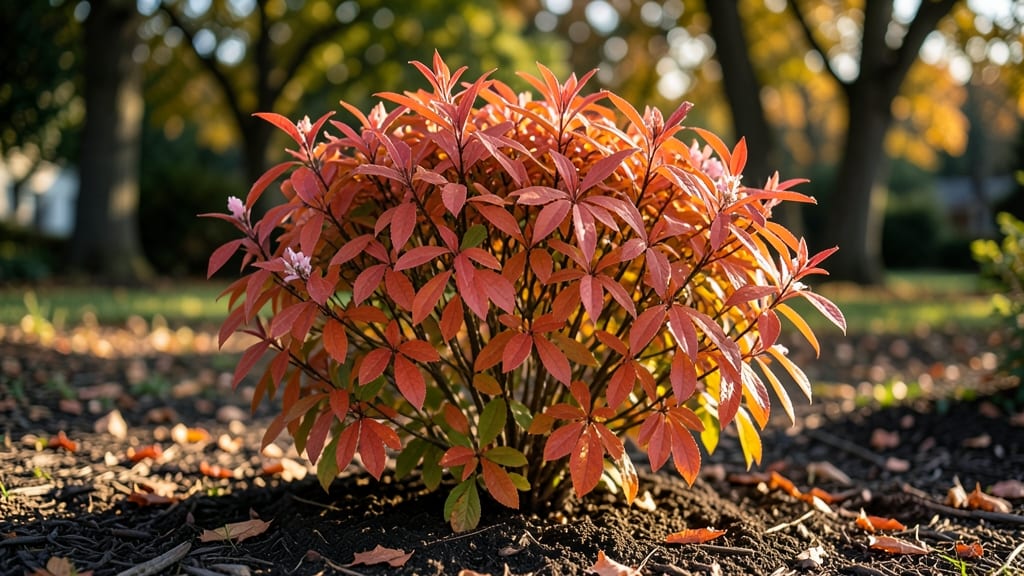
Wondering "how tall does a burning bush grow"? This vibrant 🌿 shrub can shoot up to 15 feet if left unchecked—but that doesn’t mean you’re stuck with an overgrown monster.
With the right pruning techniques, you can easily shape it into a manageable size, whether you want a privacy screen or a tidy border.
Burning bushes are fast growers, typically adding 1-2 feet per year, but their final height depends on variety, care, and your pruning habits. The key is knowing when and how to trim to encourage bushier, more controlled growth without stunting the plant.
In this guide, I’ll break down everything you need to know—from natural growth patterns to expert pruning tips—to keep your burning bush at your ideal height. Whether you’re working with a small yard or a large landscape, you’ll learn how to maintain it beautifully year after year.
Ready to take control? Let’s dive into the secrets of managing your burning bush’s height naturally, so it stays as stunning as it is manageable.

Natural growth height of burning bush: what to expect year by year
Understanding how tall a burning bush grows is the first step in planning your garden layout. This stunning shrub, known for its fiery fall foliage, typically reaches a mature height of 6 to 15 feet under ideal conditions.
However, its growth rate and final size depend heavily on factors like sunlight, soil quality, and your USDA hardiness zone.
The burning bush grows at a moderate pace of 1 to 2 feet per year when young, with the most rapid growth occurring in its first 3 to 5 years.
By year three, you can expect it to stand between 6 and 8 feet tall, while mature specimens in the wild can easily exceed 12 feet in height if left unpruned.
For gardeners in USDA zones 4 to 8—where burning bush thrives—growth patterns vary slightly. In cooler northern climates (zones 4-5), expect slightly slower growth, while southern zones (6-8) may see more aggressive height increases.
The key difference? Southern bushes often grow 1 to 2 feet taller than their northern counterparts.
If you're working with limited space, consider dwarf varieties like 'Compactus' or 'Rudolph,' which max out at 3 to 5 feet tall. These are perfect for small yards or container gardening, offering the same vibrant fall color without the height commitment.
Soil quality plays a surprising role in height control. Burning bushes planted in well-draining, slightly acidic soil (pH 6.0-7.0) grow more vigorously than those in heavy clay. Amend your soil with compost to encourage bushier (not taller) growth, which is often the goal for ornamental shrubs.
Sunlight is another critical factor. A burning bush planted in full sun (6+ hours daily) will grow taller and denser than one in partial shade. If you're aiming for a shorter, wider shrub, provide morning sun with afternoon shade to naturally limit vertical growth.
Climate also influences height. In humid southeastern states, burning bushes may grow up to 3 feet taller than in drier western regions. This is why many gardeners in Arizona or California opt for the dwarf varieties to avoid unmanageable height.
Here's how the growth breaks down by variety: Standard varieties (e.g., 'Alatus') reach 8 to 15 feet Semi-dwarf varieties (e.g., 'Emerald Gaiety') stay at 6 to 8 feet Dwarf varieties (e.g., 'Compactus') max out at 3 to 5 feet
When planning your landscape, remember that burning bushes develop a spreading habit as they mature, with a width nearly equal to their height. This makes them excellent for privacy screens or windbreaks, but requires careful spacing if you want to maintain individual plants.
🌱
Burning Bush Growth Timeline
| Year | Height Range | Growth Rate | Key Characteristics |
|---|---|---|---|
| Year 1 | 1-2 ft | 12-24 in | Establishes root system |
| Year 2 | 3-5 ft | 18-30 in | Develops woody structure |
| Year 3 | 6-8 ft | 12-24 in | First significant height gain |
| Year 5+ | 8-15 ft | 6-12 in | Mature height achieved |
Knowing these growth patterns helps you plan for future pruning needs. If you're aiming for a 6-foot privacy screen, consider planting a semi-dwarf variety or using strategic pruning to control height. For larger landscapes, the standard burning bush offers dramatic seasonal interest without requiring constant maintenance.
One common misconception is that burning bushes grow indefinitely. In reality, their growth slows significantly after 5 to 7 years, making them low-maintenance once established. This makes them ideal for gardeners who want long-term, low-effort solutions for height and color.
🌿
Best pruning techniques to control burning bush height without harming the plant
Pruning your burning bush at the right time and in the right way can keep its height in check while promoting bushier, healthier growth. The key is to prune late winter or early spring (just before new growth begins), when the plant is still dormant but ready to rebound.
This timing helps you avoid encouraging late-season growth that can leave your bush vulnerable to frost damage.
Start by removing any dead, diseased, or crossing branches first—these compete for nutrients and can stunt your bush’s overall health. Use sharp, clean pruners to make cuts just above a leaf node or outward-facing bud, which encourages growth in the direction you want.
For height control, focus on cutting back the tallest stems by up to one-third of their length, but never more than that in a single season.
- ✂️ Timing: Prune in late winter (Feb-Mar) before buds swell.
- 🌱 Tools: Use bypass pruners for small branches, loppers for thicker stems.
- 📏 Cutting: Trim 1/3 of growth from tallest stems only; avoid over-pruning.
- 🌿 Shape: Encourage bushier growth by cutting just above outward-facing buds.
- 🧹 Cleanup: Remove deadwood and sterilize tools with rubbing alcohol.
If your burning bush has become overgrown or leggy, don’t panic—you can still rejuvenate it! Try a rejuvenation pruning technique by cutting back one-third of the oldest stems to the ground in stages over 2-3 years.
This method stimulates new growth from the base while gradually reducing height. Just be patient; it may take a season or two for your bush to recover its full vigor.
For a neat, manicured look, consider shaping your burning bush into a hedge or topiary. Regular light pruning throughout the growing season (every 4-6 weeks) will keep it compact and encourage dense foliage.
Just remember: never prune more than 1/3 of the plant in a single year, as this can stress the bush and reduce its ability to produce vibrant fall color.
After pruning, give your burning bush a light fertilizer application (like a 10-10-10 balanced formula) to support new growth. Water deeply at the base to help it recover, and avoid overwatering, which can lead to root rot.
With consistent care, your bush will stay at your desired height while still putting on a stunning autumn show.
Pro tip: Mark your pruning calendar and take before-and-after photos to track progress. Over time, you’ll develop an eye for how much to trim to maintain your ideal height without sacrificing the plant’s health or beauty. 🌿