
How To
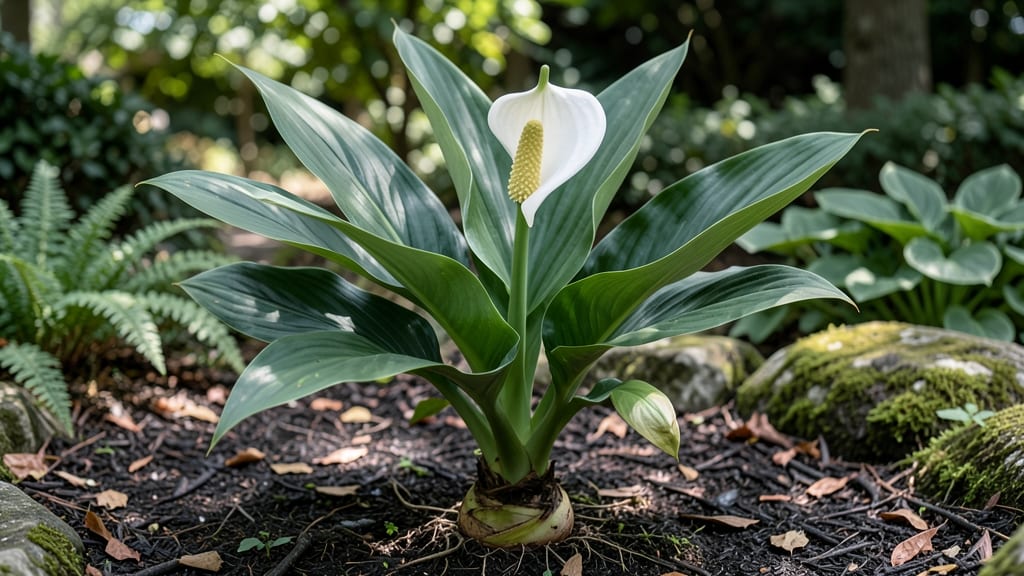
If you're dreaming of adding drama to your garden with striking calla lilies, the answer to how tall does a calla lily grow? will shape your planting plans—some varieties stretch skyward while others stay neatly compact.
Picture this: the elegant 🌸 Zantedeschia aethiopica, also called the "white calla lily," can soar up to 3 feet tall, while smaller varieties like Zantedeschia elliottiana stay closer to the ground at just 1-2 feet.
Whether you're working with a sunny border or a shaded corner, understanding these differences is the key to planning your garden layout.
But here's the thing: even within the same variety, factors like sunlight, soil quality, and watering habits can push your calla lilies to grow taller—or keep them more manageable.
I'll break down exactly how to encourage the height you want, whether you're aiming for a bold statement plant or a neat, contained look.
Ready to transform your garden with these versatile beauties? Let’s dive into the secrets of calla lily height—so you can grow them just the way you envision.

Calla lily height by variety: from dwarf to towering giants
Calla lilies (Zantedeschia spp.) offer a stunning range of heights, from delicate dwarf varieties perfect for containers to towering giants that dominate garden borders. The height you can expect depends entirely on the specific variety and its natural growth habit.
For example, the classic white calla lily (Zantedeschia aethiopica) typically reaches 2 to 3 feet tall, while some newer hybrids can stretch toward 3.5 feet under ideal conditions.
If you're planning your garden layout, knowing these height differences is key. Dwarf varieties (like 'Black Star' or 'Pink Fantasy') stay compact at just 1 to 1.5 feet, making them ideal for patio pots or window boxes.
Meanwhile, standard varieties like 'Orange Beauty' or 'Yellow Calla' can reach their full 2.5 to 3-foot height in just one growing season.
Here’s the critical factor: growth habit. Most calla lilies grow upright on sturdy stems, but some varieties (like rhizomatous types) spread horizontally first before shooting upward. This means spacing matters—planting them too closely can stunt their height as they compete for nutrients.
Another misconception is that all calla lilies grow the same height. In reality, tropical varieties (like Zantedeschia elliottiana) often stay shorter (1–2 feet) because they thrive in warmer climates with less aggressive growth.
Meanwhile, hardier varieties (like Zantedeschia rehmannii) can push 3 feet tall when given rich soil and consistent moisture.
🌱 Calla Lily Height Comparison by Variety
| Variety | Height Range | Growth Habit | Best For |
|---|---|---|---|
| Zantedeschia aethiopica (White Calla) | 2–3 ft | Upright, sturdy stems | Borders, pond edges |
| Zantedeschia elliottiana (Tropical Calla) | 1–2 ft | Compact, bushy | Containers, tropical gardens |
| Black Star (Dwarf Hybrid) | 1–1.5 ft | Rhizomatous spreader | Window boxes, small pots |
| Orange Beauty (Standard Hybrid) | 2.5–3 ft | Tall, upright | Back of borders, cut flowers |
| Pink Fantasy (Semi-Dwarf) | 1.5–2.5 ft | Moderate spread | Patio pots, mixed borders |
Pro Tip: Measure your calla lilies after their first bloom to predict their mature height.
When planning your garden, consider mature height alongside spread. For example, 'Orange Beauty' may only reach 3 feet tall, but its rhizomes can spread 1–2 feet each year.
This means you’ll need to space plants 12–18 inches apart to avoid overcrowding, which can stunt their height and reduce flowering.
If you’re growing calla lilies in containers, choose dwarf or semi-dwarf varieties to prevent root-bound stress. A 5-gallon pot works well for 1.5-foot varieties, while standard types need at least 7 gallons to support their height and heavy foliage.
Always use well-draining soil with added organic matter to encourage upward growth.
One common mistake is assuming all calla lilies grow the same height. Tropical varieties (like 'Pink Quill') often stay shorter because they’re adapted to warmer, humid climates.
In contrast, hardy varieties (like 'White Queen') can bolt upward in cooler zones if given rich soil and consistent moisture. Always check the USDA zone hardiness of your chosen variety to avoid disappointment.
For cut flower arrangements, taller varieties like 'Orange Beauty' or 'Yellow Calla' are ideal because their long stems (up to 3 feet) stay sturdy in vases. If you’re growing calla lilies for landscaping, pair tall varieties with shorter perennials to create visual layers.
For example, plant 1.5-foot 'Pink Fantasy' in front of 3-foot 'White Calla' for a graduated look.
Remember, height isn’t set in stone—it’s influenced by care practices. With the right so
How growing conditions dramatically affect calla lily height
Your calla lilies' final height isn't just about the variety—it's heavily influenced by their growing environment. Too much sun can stress delicate Zantedeschia leaves, while poor soil drainage might stunt their growth entirely.
Let's break down how to optimize conditions for ideal height and troubleshoot common issues that keep your plants from reaching their potential.
Sunlight plays a critical role in determining whether your calla lilies grow tall and leggy or compact and sturdy. While they tolerate partial shade, too little light leads to weak stems that flop over.
Aim for 4-6 hours of morning sun—this balances growth without overheating the rhizomes. In hotter climates, afternoon shade becomes essential to prevent sunburned foliage.
⚠️ Warning: Common Height Killers
- Overwatering causes root rot, stunting growth
- Poor drainage leads to weak stems and yellowing leaves
- Nutrient deficiencies (like low potassium) result in shorter blooms
These issues can reduce mature height by 30-50% if left unchecked.
Soil quality makes an even bigger difference than most gardeners realize. Calla lilies thrive in rich, well-draining soil with a slightly acidic pH (6.0-6.5). Heavy clay soils or sandy mixes without organic matter will limit root development, directly capping your plants' height potential.
Amend your soil with compost or peat moss before planting—this gives their rhizomes the nutrients to support taller, stronger stems.
Watering habits can either boost or sabotage your calla lilies' height goals. Consistent moisture is key—these plants hate drought stress but also reject waterlogged roots. Aim for 1 inch of water per week, delivered through deep watering sessions rather than frequent light sprinkles.
Mulching with 2-3 inches of organic mulch helps maintain even moisture levels, which translates to healthier, taller growth.
Climate zone matters too! In USDA Zones 8-10, calla lilies often reach their maximum height (2-3 feet) because they enjoy longer growing seasons. But in cooler Zones 6-7, growth slows significantly—expect 1-2 feet max unless you extend the season with row covers or containers.
Even in cooler areas, proper winter mulching can help rhizomes store energy for springtime height surges.
Don't forget that container growing automatically limits height potential. While in-ground plants can reach their full 2-3 foot stature, containerized calla lilies typically max out at 1.5-2 feet unless you use oversized pots (18+ inches wide) with deep root zones.
Choose containers with drainage holes and upgrade to larger pots annually to support upward growth.