
How To
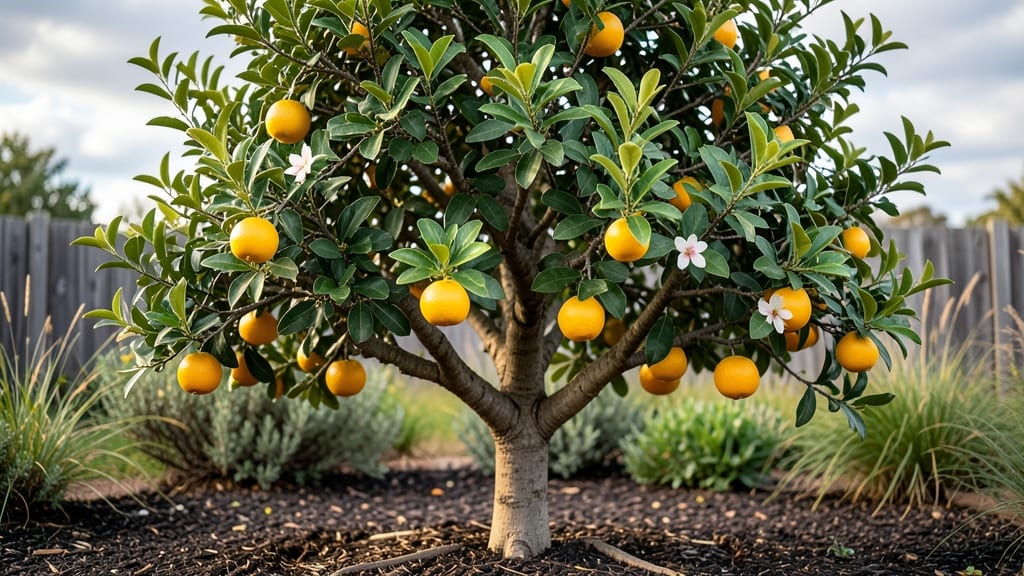
Wondering how tall does a grapefruit tree grow before it towers over your backyard? The answer might surprise you—because while some varieties can reach 25 feet or more, others stay compact enough for even small spaces.
If you're dreaming of fresh 🍊 fruit but worried about space, you're in luck: dwarf grapefruit trees can stay between 6 and 12 feet tall, making them perfect for containers or tight yards. Meanwhile, standard varieties need room to stretch their limbs, often reaching 15 to 30 feet at maturity.
Choosing the right variety is the key to balancing size and productivity. Whether you're working with a balcony in Zone 9 or a sunny corner of your tropical garden, we'll help you pick the best fit for your space—and show you how to keep it manageable with simple pruning tips.
Let's break down the differences between dwarf and standard grapefruit trees so you can grow your own citrus without sacrificing space—or your sanity.

Standard vs dwarf grapefruit tree heights: what to expect
Grapefruit trees are known for their impressive height, but the mature size varies dramatically depending on the variety and rootstock. Standard grapefruit trees can reach 20 to 30 feet tall, towering like small trees in your yard.
However, with dwarf varieties and proper care, you can keep your grapefruit tree as short as 6 to 12 feet, making it perfect for containers or small gardens.
The key to controlling height lies in the rootstock used during grafting. Most commercial grapefruit trees are grafted onto Swingle citrumelo or Carrizo citrange rootstock, which naturally restricts growth.
Without these dwarfing rootstocks, grapefruit trees grow aggressively, requiring regular pruning to manage their size. Even with dwarf rootstock, proper pruning techniques and container training can further limit height.
Here’s how the heights compare between standard and dwarf grapefruit trees, along with growth rates and space requirements:
| Type | Mature Height | Growth Rate (First 3 Years) | Space Needed | Rootstock Used |
|---|---|---|---|---|
| Standard Grapefruit Tree | 20–30 ft | 3–5 ft per year | Large yard or orchard | Seedling or vigorous rootstock |
| Semi-Dwarf Grapefruit Tree | 12–18 ft | 2–4 ft per year | Medium-sized yard | Swingle citrumelo or Carrizo citrange |
| Dwarf Grapefruit Tree | 6–12 ft | 1–3 ft per year | Container, patio, or small garden | Swingle citrumelo (most common) |
If you’re growing a standard grapefruit tree, expect it to dominate your landscape, requiring ample space and regular pruning to control its size. These trees thrive in warm climates (USDA Zones 9–11) and can produce fruit for decades, but their height makes them impractical for urban or small-space gardening.
For dwarf varieties, the slower growth rate means you’ll enjoy fruit in 3 to 5 years instead of 7–10 years with standard trees. They’re also more adaptable to containers, making them ideal for patios, balconies, or even indoor growing near a sunny window.
Just ensure your container is at least 15–20 gallons to accommodate root growth.
One common misconception is that dwarf trees produce smaller fruit. In reality, the fruit size remains similar, but the tree’s overall structure is more manageable. Varieties like 'Foster Improved' or 'Melogold' are popular choices for dwarf trees because they balance compact growth with high productivity.
Always check the rootstock type when purchasing, as it directly impacts height and vigor.
Even with dwarf rootstock, pruning plays a crucial role in shaping your grapefruit tree. Without pruning, dwarf trees can still grow taller than expected, especially in optimal growing conditions.
I recommend light pruning in late winter to remove dead or crossing branches and structural pruning in early spring to maintain an open canopy for airflow and sunlight penetration.
For those in cooler climates (Zone 8 or lower), consider container-growing dwarf varieties and overwintering them indoors or in a greenhouse. This protects them from frost while still allowing you to enjoy fresh grapefruits year-round. Just be mindful of transplant shock when moving potted trees between indoor and outdoor spaces.
Ultimately, the height of your grapefruit tree depends on three key factors: the variety, the rootstock, and your pruning habits.
By choosing the right dwarf variety and staying consistent with care, you can enjoy a fruit-bearing grapefruit tree that fits seamlessly into even the smallest garden or balcony.
Standard vs dwarf grapefruit tree heights: what to expect
When planning your grapefruit tree, knowing the mature height is key to choosing the right variety for your space. Standard grapefruit trees typically reach 15 to 25 feet tall, making them ideal for large backyards or orchards.
These trees grow vigorously and can even exceed 30 feet in perfect conditions, but they require ample space and regular pruning to manage their size.
On the other hand, dwarf grapefruit trees are bred to stay compact, usually reaching 6 to 12 feet tall. These varieties are perfect for small gardens, patios, or even large containers. The difference in height isn’t just about aesthetics—it also affects fruit production and ease of care.
Dwarf trees mature faster and produce fruit earlier, often within 3 to 5 years, compared to standard trees, which can take 8 to 10 years.
The height of your grapefruit tree also depends on the rootstock used. Most dwarf varieties are grafted onto Swingle citrumelo or Carrizo citrange rootstock, which naturally restricts growth.
This rootstock choice not only controls height but also improves disease resistance and cold hardiness, making dwarf trees more adaptable to cooler climates like USDA Zone 9.
🌱 Grapefruit Tree Height Comparison
| Type | Mature Height | Growth Rate | Best For |
|---|---|---|---|
| Standard | 15–25 ft | Slow to moderate | Large yards, orchards |
| Semi-Dwarf | 12–18 ft | Moderate | Medium gardens, patios |
| Dwarf | 6–12 ft | Fast | Containers, small spaces |
💡 Pro Tip: Dwarf trees produce smaller fruit, but the flavor is often just as rich!
If you’re growing a grapefruit tree in a container, expect it to stay slightly shorter than its ground-grown counterpart, especially if you use 5-gallon pots or smaller. Container-grown trees also benefit from regular pruning and root pruning to encourage bushier growth and better fruit production.
Just remember, even dwarf varieties need full sun and well-draining soil to thrive.
For those in cooler climates, like Zone 9, choosing a dwarf variety can mean the difference between a thriving tree and a struggling one. Cold-hardy dwarf grapefruits, such as 'Foster Improved,' can tolerate brief dips below freezing, while standard varieties may suffer damage.
Always check the cold tolerance of your chosen variety before planting.
No matter which size you choose, pruning plays a crucial role in managing height and shape. Regular pruning not only keeps your tree within your desired space but also improves air circulation and sunlight exposure, reducing the risk of disease.
Just avoid over-pruning, as this can stress the tree and reduce fruit yield. Aim to prune in late winter or early spring before new growth begins.