
How To
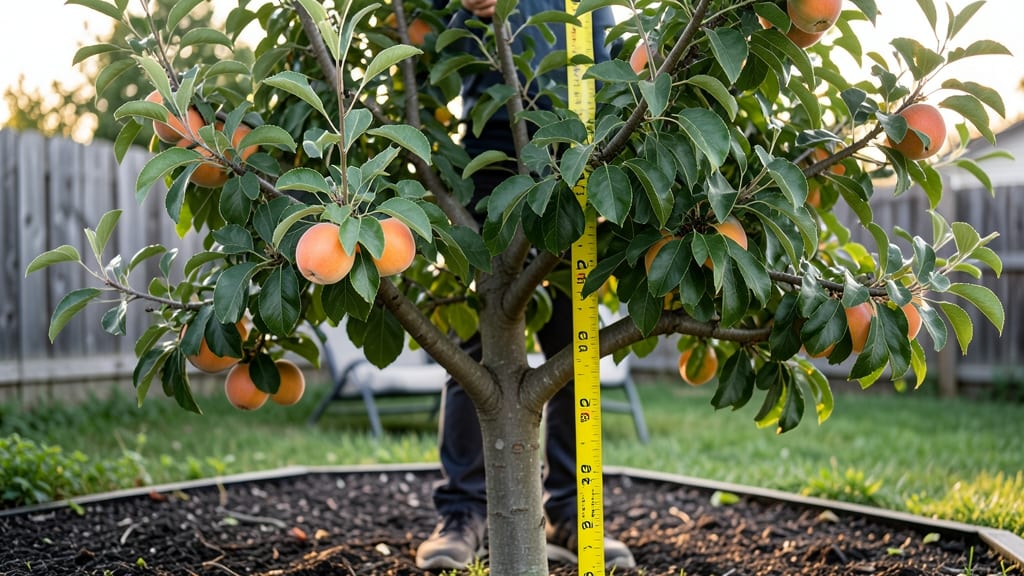
If you're dreaming of fresh, juicy nectarines but wondering how tall a nectarine tree can grow, here's the good news: these fruiting favorites come in sizes to match every space.
While standard varieties can reach towering heights of 15–25 feet, compact cultivars stay neatly between 6–12 feet—making them perfect for small gardens or even containers.
Understanding these height differences is the first step to choosing the right variety for your growing conditions. Whether you're in USDA Zone 6a or a warmer climate, knowing how tall your 🍑 nectarine tree will grow helps you plan for sunlight, pruning needs, and even future harvests.
Let's break down what you need to know before planting.
The key to managing a nectarine tree's height lies in selecting the right cultivar and learning proper pruning techniques. Some varieties naturally stay small, while others can be trained to fit your space without sacrificing fruit production.
With the right approach, you can enjoy homegrown nectarines whether you have a sprawling backyard or just a sunny patio.
Ready to transform your space into a nectarine paradise? I'll walk you through everything from dwarf varieties that thrive in containers to pruning tips that keep your tree at your ideal height. Let's get started on your fruiting adventure!

Nectarine tree height ranges: standard vs. dwarf varieties explained
Nectarine trees can reach dramatic heights, but their mature size depends entirely on the variety you choose. Standard nectarine trees typically grow between 18–25 feet at maturity, while dwarf and semi-dwarf varieties stay between 6–12 feet.
This height difference isn’t just about aesthetics—it directly impacts fruit production, space requirements, and even harvesting ease. Before planting, knowing these ranges helps you pick the perfect tree for your yard or container garden.
For example, a standard nectarine tree can tower over a basketball hoop, requiring ample space and regular pruning to manage its size. In contrast, a dwarf nectarine fits neatly into small gardens or large containers, making it ideal for urban gardeners.
The choice between the two isn’t just about space—it’s also about maintenance effort and fruit yield. Let’s break down the key differences so you can make an informed decision.
📏 Height Comparison Table
Standard nectarine trees dominate the height chart, often reaching 20+ feet if left unpruned. These varieties, like 'Redhaven' or 'Fantasia', are classic choices for orchards or rural properties where space isn’t a constraint.
Their rapid growth—1–2 feet per year—means they’ll fill out quickly, but they also require regular pruning to maintain manageable size and improve air circulation for fruit quality.
On the other hand, dwarf nectarine trees are bred to stay compact, typically maxing out at 8–12 feet. Varieties like 'Springcrest' or 'Redgold' grow at a slower pace—about 0.5–1 foot per year—making them perfect for containers or small patios.
Their smaller stature also means they produce fruit earlier and more consistently, which is a huge perk for home gardeners with limited space.
If you’re torn between a standard and dwarf tree, consider your long-term goals. Standard trees offer higher yields over time but demand more space and maintenance. Dwarf trees, while yielding less, provide easier access to fruit and can even be grown in large pots on a balcony.
For urban gardeners or those with small yards, dwarf varieties are a game-changer.
Another factor to weigh is climate and sunlight. Nectarine trees thrive in full sun (6–8 hours daily), but taller varieties may cast deep shade that affects nearby plants.
Dwarf trees, with their shorter stature, allow for understory planting of shade-tolerant herbs or vegetables. This multi-layered approach maximizes your garden’s productivity without sacrificing sunlight for your nectarine tree.
For those in USDA Zones 5–9, where nectarines flourish, choosing the right height isn’t just about aesthetics—it’s about practicality. A standard tree might overwhelm a suburban backyard, while a dwarf tree could struggle in a windy, exposed location.
Always assess your microclimate and available space before committing to a variety. With the right choice, you’ll enjoy years of sweet, juicy nectarines with minimal hassle.
Pro tip: If you love the idea of a standard tree but lack the space, consider espalier training. This technique trains the tree to grow flat against a fence or wall, effectively turning a 20-foot giant into a 6-foot work of art.
It’s a creative solution for gardeners who want the best of both worlds—big-tree fruit production in a compact footprint.
🌱
Nectarine tree height ranges: standard vs. dwarf varieties explained
Nectarine trees are stunning additions to any garden, but their mature height can vary dramatically depending on the variety. Standard nectarine trees typically reach 18 to 25 feet at maturity, while dwarf and semi-dwarf varieties stay between 6 to 12 feet.
Choosing the right size depends on your space and care preferences.
If you have a spacious yard, a standard-height nectarine will thrive and produce abundant fruit. However, if space is limited, dwarf varieties are perfect for containers or small backyards. Understanding these differences helps you plan for long-term growth and maintenance.
🌱 Comparison Table: Nectarine Tree Heights
| Variety Type | Mature Height | Growth Rate | Space Needs |
|---|---|---|---|
| Standard | 18–25 ft | Moderate (1–2 ft/year) | Large yard (20+ ft clearance) |
| Semi-Dwarf | 12–18 ft | Moderate (1–2 ft/year) | Medium yard (15+ ft clearance) |
| Dwarf | 6–12 ft | Slow (6–12 in/year) | Small space or container |
Standard nectarine trees grow taller than a basketball hoop (10 ft), making them ideal for large properties. Their sprawling canopies require ample space to avoid shading out nearby plants. In contrast, dwarf varieties grow at a slower pace, making them easier to manage in urban settings or small gardens.
Climate and soil conditions also influence height. Trees in warmer climates with well-draining soil may grow faster, while cooler regions might see slightly slower growth. Proper pruning and training can further control height, especially for semi-dwarf varieties.
For optimal fruit production, ensure your nectarine tree has enough space to grow without overcrowding. Standard trees need at least 20 feet of clearance, while dwarf varieties can thrive in containers or small plots with minimal space.
If you’re unsure which variety to choose, consider your long-term goals. Do you want a tree that produces abundant fruit quickly (standard) or one that fits neatly into a small garden (dwarf)? The right choice depends on your space and care capacity.