
How To
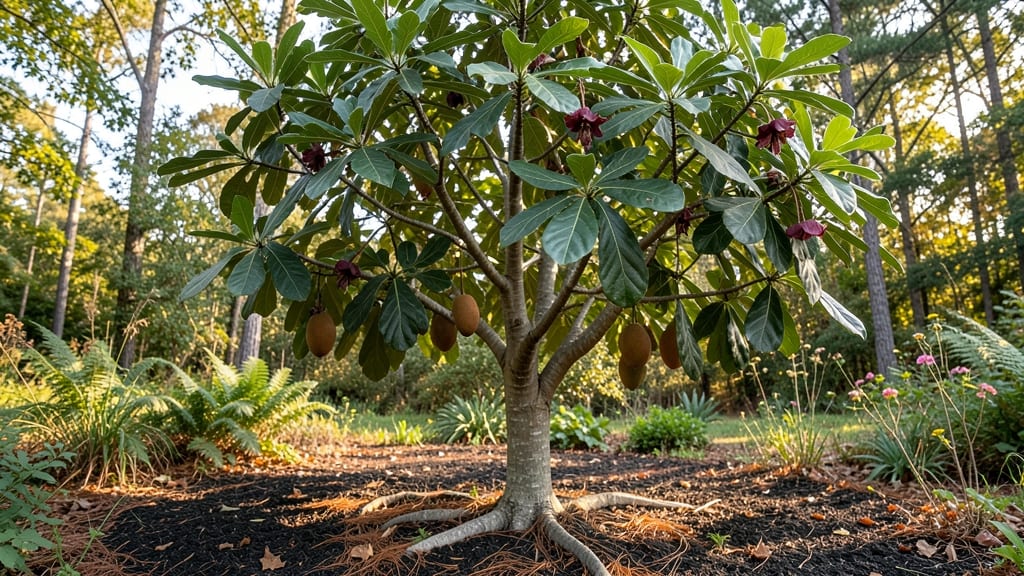
If you're wondering how tall does a pawpaw tree grow, the answer might surprise you—this native North American 🌳 can reach heights that rival small trees in your backyard, but with the right care, you can influence its ultimate size.
Wild pawpaw trees (Asimina triloba) often grow between 15 to 40 feet tall, depending on their environment. In dense forests, they might stay shorter due to competition, but in open spaces, they can stretch toward the sky.
That’s why many gardeners are curious about how to manage their growth, especially if space is limited.
Cultivated varieties offer more control, with some dwarf types staying under 10 feet if pruned regularly. The key is understanding your climate, soil, and pruning habits—all of which can dramatically shape whether your pawpaw becomes a towering giant or a manageable small tree.
Whether you're planning a fruit orchard or just want a unique shade tree, learning these growth patterns will help you make the best choices for your garden. Let’s break down the factors that influence height so you can grow the perfect pawpaw for your space.

Wild pawpaw tree height: natural growth patterns explained
When pawpaw trees (Asimina triloba) grow wild in their native forests—spanning from the Midwest to the Southeast—they often reach heights that can dwarf your backyard space.
In untended environments, these trees typically mature between 15 to 40 feet tall, with some exceptional specimens exceeding 40 feet under ideal conditions. Their height potential is influenced by factors like sunlight exposure, soil quality, and competition from surrounding vegetation.
In dense forests, wild pawpaws often grow as multi-stemmed shrubs or small trees due to limited sunlight, rarely surpassing 15 to 20 feet. However, when given ample space and sunlight—like along forest edges or clearings—they can stretch toward the 30 to 40-foot range, resembling a small deciduous tree.
This natural variation is why wild pawpaws appear so diverse in height across their native range.
🌱 Wild Pawpaw Tree Height Summary
| Growth Condition | Typical Height | Notes |
|---|---|---|
| Dense Forest | 15–20 ft | Limited sunlight; multi-stemmed |
| Forest Edge | 20–30 ft | More sunlight; single trunk |
| Open Clearings | 30–40 ft | Full sun exposure; fastest growth |
One fascinating aspect of wild pawpaw growth is their slow-to-moderate growth rate. In their first year, seedlings typically reach just 2 to 4 feet tall, while mature trees add only 1 to 2 feet per year under optimal conditions.
This gradual growth means it takes about 10 to 15 years for a wild pawpaw to reach its full height potential, depending on environmental factors.
Regional variations also play a role in height. In the southern parts of their range—like Mississippi or Alabama—pawpaws tend to grow taller due to warmer climates and longer growing seasons.
Meanwhile, in the northern limits of their range, such as Indiana or Ohio, they may stay shorter due to cooler temperatures and shorter summers. Soil drainage is another critical factor; pawpaws thrive in well-drained, slightly acidic soil, which encourages stronger root development and upward growth.
If you're considering planting a wild pawpaw in your garden, expect it to mimic its forest-dwelling habits unless you provide consistent care and space.
Without intervention, a wild pawpaw will likely grow as a medium-sized tree (20–30 feet), but with proper pruning and cultivation, you can influence its height to better suit your space. The key is balancing its natural growth tendencies with your garden's layout and sunlight availability.
In my own garden, I’ve observed that wild pawpaws left unpruned will develop a broad, rounded canopy with multiple trunks, especially in shaded areas. This natural form is beautiful but can make harvesting fruit challenging.
For easier access, I’ve found that selective pruning in early spring helps guide the tree’s growth while maintaining its health and fruit productivity.
Understanding these natural growth patterns is essential for gardeners who want to incorporate pawpaws into their landscape. Whether you're aiming for a wild, untamed look or a more controlled, manicured tree, knowing how wild pawpaws grow in the wild sets the foundation for successful cultivation.
Next, we’ll explore how cultivated varieties and pruning techniques can help you manage height while maximizing fruit production.
🌳
Cultivated pawpaw tree height: varieties and pruning tips for controlled growth
When you decide to grow pawpaws in your garden instead of leaving them wild, you gain control over their height—but don’t expect dwarf varieties just yet.
Most cultivated pawpaw trees (Asimina triloba) still reach 15 to 40 feet tall at maturity, though selective pruning and spacing can keep them more manageable. The key difference?
Cultivated trees grow faster and fruit more reliably when given proper care, while wild trees often struggle with inconsistent growth due to competition.
If you’re working with limited space, focus on semi-dwarf varieties like 'Sunflower' or 'Pennsylvania Golden,' which typically stay between 10 to 20 feet tall when pruned regularly. These varieties are bred for better fruit production and slightly compact growth, making them ideal for suburban yards.
However, even these won’t fit in containers—pawpaws need deep root space to thrive.
Pruning isn’t just about height control; it’s also about fruit quality. Remove suckers (shoots growing from the base) and crossing branches to improve airflow and sunlight penetration. Thin out dense foliage in late winter to redirect energy toward fruit-bearing branches.
Just avoid heavy pruning in summer, as it can stress the tree and reduce next year’s harvest.
🌳 Pawpaw Tree Height Comparison
| Type | Mature Height | Growth Rate | Best For |
|---|---|---|---|
| Wild Pawpaw | 20–40 ft | Slow, irregular | Forests, untended areas |
| Standard Cultivated | 15–30 ft | Moderate, consistent | Backyards, orchards |
| Semi-Dwarf (e.g., 'Sunflower') | 10–20 ft | Faster with pruning | Suburban gardens |
Spacing is another critical factor for height control. Plant pawpaw trees at least 20 feet apart to prevent overcrowding, which forces them to grow taller in search of sunlight.
In smaller spaces, consider espalier training—a technique where you train branches horizontally along a fence or trellis to keep the tree’s overall height in check while maximizing fruit production. This works best with young trees and requires patience, but the results are stunning.
For those with extremely limited space, you might consider growing pawpaws in large containers (at least 24 inches wide and deep), but expect slower growth and smaller fruit. Container-grown pawpaws will still reach 8 to 12 feet tall over time, so they’re not a true dwarf solution.
If height is your main concern, prioritize regular pruning and proper spacing from the start—these two strategies will give you the most control over your pawpaw’s ultimate size.
Remember, pawpaws are slow to mature—it takes 3 to 5 years before they produce significant fruit. During this time, focus on establishing a strong structure through pruning. The effort pays off with larger, sweeter fruit and a tree that fits your space better.
With the right approach, you can enjoy a manageable-sized pawpaw tree without sacrificing flavor or yield.