
How To
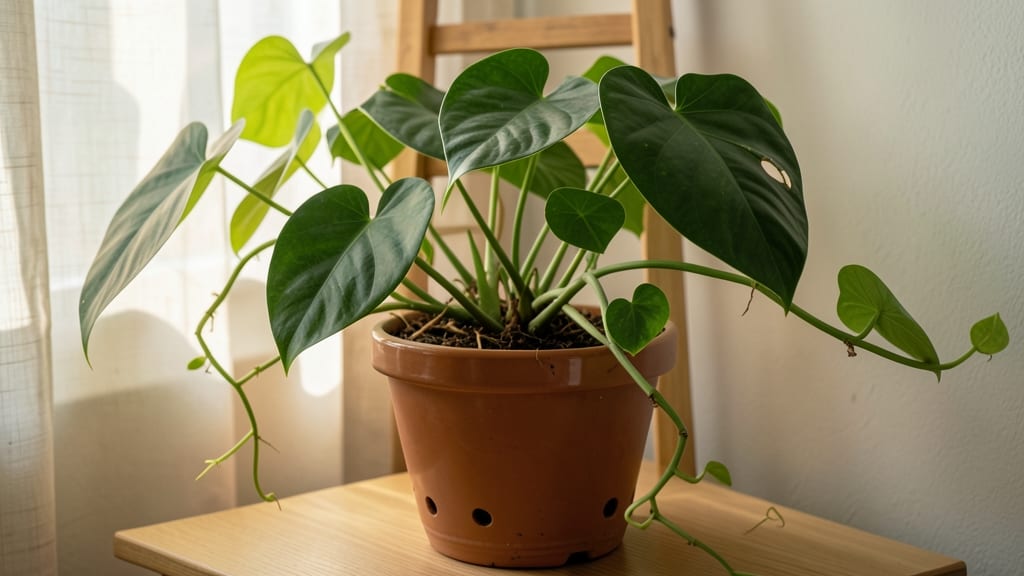
Curious about how tall does a philodendron grow before it starts dominating your space? The answer might surprise you—some varieties stay cozy as tabletop plants, while others stretch toward the ceiling like jungle vines.
Whether you're dealing with a trailing heartleaf or a bold Philodendron bipinnatifidum 🌿, understanding their growth habits helps you plan for the perfect spot.
Not all philodendrons follow the same growth script. Heartleaf varieties typically max out around 3-4 feet when trained, while tree philodendrons like the Xanadu can reach 6-10 feet indoors with proper support.
The key? Light, space, and a little pruning know-how. Let’s break down what to expect and how to keep your plant thriving without it turning into a vertical takeover.
If you’ve ever watched your philodendron stretch toward the light like it’s reaching for a snack, you know growth isn’t always predictable. Indoor conditions—like low light or cramped pots—can stunt or stretch them out.
But with the right care, you can guide their height to fit your space, whether that’s a hanging basket or a towering trellis. Ready to learn the secrets?
From compact varieties perfect for shelves to climbing giants that need a moss pole, we’ll cover everything you need to know. You’ll discover how to spot signs of overgrowth, when to prune, and even how to encourage bushier growth. Let’s get your philodendron growing the way you want—without the surprises.

Philodendron height by variety: compact vs. climbing growth limits
Philodendrons are a diverse genus with over 480 species, each boasting unique growth habits and mature heights. If you're wondering, "How tall does a philodendron grow?"—the answer varies wildly.
Some varieties stay small enough for windowsills, while others can climb like jungle vines and reach ceiling heights. Let’s break down the most popular types and their growth expectations.
First, philodendrons generally fall into two growth categories: trailing varieties (like heartleaf) and climbing types (like Brasil). Trailing philodendrons grow horizontally, often cascading over shelves or hanging baskets, while climbing varieties send out aerial roots to latch onto supports.
Understanding these differences helps you choose the right plant for your space.
For example, the Philodendron hederaceum (heartleaf) is a classic trailing variety that typically grows 3–6 feet long but rarely exceeds 2 feet in height without support. Meanwhile, the Philodendron bipinnatifidum (tree philodendron) is a powerhouse climber that can reach 10–15 feet tall when given the right conditions.
Your choice of variety will directly impact how much space your philodendron needs.
Here’s a quick comparison to visualize the differences:
| Variety | Growth Habit | Mature Height | Notes |
|---|---|---|---|
| Philodendron hederaceum (Heartleaf) | Trailing | 3–6 ft long, 1–2 ft tall | Ideal for hanging baskets or shelves |
| Philodendron Brasil | Climbing | 6–10 ft tall | Needs a moss pole or trellis to thrive |
| Philodendron Xanadu | Upright/Compact | 3–5 ft tall, 3–4 ft wide | Great for corner spaces or as a floor plant |
| Philodendron bipinnatifidum (Tree Philodendron) | Climbing | 10–15 ft tall | Best for outdoor gardens or large indoor spaces |
| Philodendron micans (Velvet Leaf) | Climbing | 4–6 ft tall | Stunning foliage; thrives with support |
If you’re growing philodendrons indoors, container size matters. Smaller pots restrict root growth, which can stunt height. For example, a Philodendron Brasil in a 6-inch pot might only reach 3–4 feet tall in a year, while the same plant in a 12-inch pot could grow 6–8 feet.
Always choose a pot that’s 2–3 inches larger in diameter than the root ball for optimal growth.
Outdoor philodendrons, like the tree philodendron, grow much faster in warm climates (USDA zones 9–11). In these conditions, they can add 2–3 feet per year if given proper support and care.
For indoor varieties, growth slows in winter but picks up in spring and summer with increased light and humidity.
Light exposure is another critical factor. Most philodendrons thrive in bright, indirect light, which encourages healthy leaf growth and controlled height. Place your plant near a north- or east-facing window for ideal conditions.
If you notice your philodendron stretching toward a light source (a sign of etiolation), it’s time to adjust its location or supplement with a grow light.
Finally, don’t forget that pruning encourages bushier growth. Regularly trimming leggy stems promotes denser foliage and prevents your philodendron from becoming a single, towering vine.
I’ll cover pruning techniques in detail in the next section, but for now, know that a little maintenance goes a long way in keeping your plant at your desired height.
Whether you love the compact charm of a heartleaf or the dramatic climb of a Brasil, choosing the right variety ensures your philodendron fits perfectly in your space—without turning your living room into a jungle. 🌿
Philodendron height by variety: compact vs. climbing growth limits
Philodendrons come in stunning varieties, each with unique growth habits and height potential. The Philodendron hederaceum (heartleaf) typically stays between 2-6 feet when trailing, while the Philodendron bipinnatifidum (tree philodendron) can soar to 8-10 feet or more with proper support.
Understanding these differences helps you choose the perfect variety for your space and care style.
Trailing varieties like Philodendron micans or Philodendron gloriosum grow horizontally, reaching 3-5 feet in length but rarely exceeding 2 feet in height. These are ideal for shelves or hanging baskets.
On the other hand, upright varieties like Philodendron erubescens grow vertically, often climbing to 6-10 feet when given a moss pole or trellis.
Here’s how popular philodendron varieties compare in terms of mature height and growth habits:
| Variety | Growth Habit | Mature Height | Best For |
|---|---|---|---|
| Philodendron hederaceum (Heartleaf) | Trailing | 2-6 ft | Hanging baskets, shelves |
| Philodendron bipinnatifidum (Tree Philodendron) | Upright/Climbing | 8-10+ ft | Large spaces, outdoor gardens |
| Philodendron erubescens (Blushing Philodendron) | Climbing | 6-10 ft | Moss poles, trellises |
| Philodendron micans (Velvet Leaf) | Trailing | 3-5 ft | Indoor shelves, hanging displays |
| Philodendron Xanadu (Mini Monster) | Upright | 3-5 ft | Tabletop plants, small spaces |
If you’re growing philodendrons indoors, light conditions play a huge role in their height. Low-light varieties like Philodendron hederaceum grow slower and stay more compact, while varieties like Philodendron bipinnatifidum thrive in bright, indirect light and can grow much taller.
Providing the right light ensures your plant reaches its full potential without becoming leggy or weak.
For outdoor growers, Philodendron bipinnatifidum and Philodendron gloriosum are excellent choices for adding tropical drama to shaded garden areas. These varieties can grow even taller outdoors, sometimes exceeding 10 feet with proper care and support. Just be mindful of frost-sensitive leaves in cooler climates!
No matter the variety, philodendrons reward patience. With the right care, you’ll enjoy lush, vibrant foliage that fits perfectly in your space—whether you prefer a compact desk companion or a room-filling jungle statement. 🌿