
How To
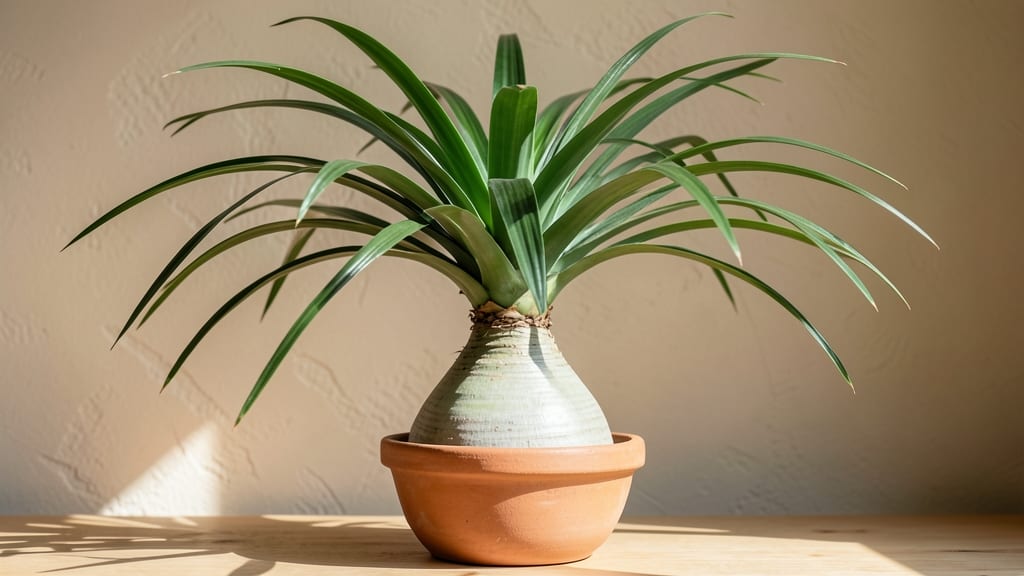
If you're wondering how tall does a ponytail palm grow, the answer might surprise you—this striking succulent can range from a modest 3 feet to an impressive 10 feet tall, depending on its variety and growing conditions.
The ponytail palm 🌿 isn’t your typical fast-growing houseplant; it builds its iconic thick trunk slowly over years, storing water like a cactus while reaching for the sky.
Whether you're eyeing a compact tabletop version or dreaming of a dramatic statement plant, understanding its growth habits is key. Some varieties stay small and bushy, perfect for apartments, while others stretch tall enough to rival small trees.
The good news? With the right care, you can influence its height—whether you want to keep it manageable or let it grow wild.
Light, space, and even your watering routine play huge roles in how tall your ponytail palm becomes. Too much shade? It’ll stretch awkwardly. Too little pot space? Its roots will rebel.
I’ll break down the factors that control its growth and share tips to shape it exactly how you want—whether that’s a miniature centerpiece or a floor-filling giant.
Ready to make an informed choice? Let’s dive into the varieties, care secrets, and everything else you need to know to grow a ponytail palm that fits your space—and your style.

Ponytail palm height by variety: from dwarf to giant specimens
The ponytail palm (Beaucarnea recurvata) is famous for its striking, bottle-shaped trunk—but its height potential varies dramatically depending on the variety. While some stay compact enough for tabletop displays, others can become floor-filling giants with proper care.
Understanding these differences helps you choose the perfect plant for your space. Here’s what to expect from the most common varieties.
Standard ponytail palms typically reach 6 to 10 feet tall when mature, making them ideal for large rooms or sunrooms. Their growth is slow but steady, with the most dramatic trunk expansion occurring in their first 5-7 years.
If you’re working with limited vertical space, dwarf varieties like 'Nana' or 'Pony Tail Mini' cap out at 3 to 5 feet, perfect for shelves or desks.
One variety that often gets confused with the ponytail palm is the 'Elephant Foot Tree' (Dracaena marginata), which can grow even taller—up to 15 feet outdoors.
However, the true ponytail palm’s height is more predictable and manageable, especially indoors. The key to controlling its size lies in genetics, container size, and light exposure.
If you’re considering a ponytail palm for outdoor planting, expect it to grow 20–30% taller than indoor specimens due to unrestricted root expansion and full sunlight. In USDA Zones 9–11, these plants thrive outdoors year-round, while colder climates require container growing or winter protection.
Always choose a well-draining pot at least 12 inches wide to support healthy root development.
One common misconception is that ponytail palms grow quickly. In reality, their slow growth rate is one of their biggest selling points—it means less frequent repotting and maintenance. However, their trunk thickness increases faster than height, which is why they often look "fuller" than their actual stature suggests.
For example, a 5-foot-tall ponytail palm might have a 12-inch-wide trunk, making it a statement piece even in small spaces.
For those with extremely limited space, consider propagating cuttings to create bushier, multi-stemmed plants. This technique doesn’t just control height—it also encourages lateral growth, giving you a fuller, more compact ponytail palm. Just be patient; even dwarf varieties take 3–5 years to reach their mature height.
When shopping for a ponytail palm, always check the nursery label or seller description for variety specifics. A plant marketed as a "mini" or "dwarf" should stay under 5 feet, while standard varieties will eventually need ceiling clearance.
If you’re unsure, ask about the plant’s age and growth history—younger plants may look small but still have decades of growth ahead.
Remember, the ponytail palm’s height isn’t just about aesthetics—it also affects light needs, watering frequency, and even humidity preferences. Taller varieties, for instance, may require more airflow to prevent fungal issues. Always match your plant’s mature size to your care capacity and space constraints.
Whether you’re drawn to a tiny tabletop treasure or a room-dividing giant, the ponytail palm’s height adaptability makes it a versatile choice. Start with the right variety, and you’ll enjoy its unique beauty for years to come—without the worry of outgrowing your space.
Factors that control ponytail palm height: light, space, and care
Your ponytail palm’s height isn’t set in stone—it’s shaped by your care choices and environment. While genetics play a role, light exposure, container size, and pruning habits can dramatically alter how tall (or short) your plant grows.
For example, a standard ponytail palm in full sun might reach 10 feet in 10 years, but the same plant in low light could stay under 6 feet—and that’s without pruning!
Light is the #1 height controller. Ponytail palms crave bright, indirect sunlight (think south-facing windows or grow lights). When deprived, they stretch toward light, creating leggy, weak growth.
In contrast, direct morning sun encourages a sturdy, compact trunk. If your plant starts leaning, rotate it weekly to promote even growth and prevent height spikes.
Container size also dictates height. Ponytail palms are root-bound lovers—when roots circle the pot, growth slows vertically but thickens the trunk. Repot every 2-3 years into a pot just 1-2 inches wider than the previous one.
Overpotting leads to excess soil moisture, which can stunt growth entirely. Pro tip: Use terracotta pots to prevent root rot and encourage slower, stockier growth.
Pruning isn’t just for shaping—it’s a height hack! Cutting back leggy stems 2-3 inches below a leaf node triggers bushier growth. I pruned my 5-foot ponytail palm last spring, and within months, it sprouted three new branches, turning it into a fuller, shorter shrub.
Just avoid heavy pruning in winter when the plant is dormant.
Temperature and humidity play subtle but critical roles too. Ponytail palms thrive in 60-80°F ranges and low humidity (they’re native to arid regions!). High humidity can encourage faster (but weaker) growth, while cool drafts slow it down.
My plant in a sunny, slightly cool bedroom grew only 4 inches in 6 months—perfect for keeping it manageable.
Fertilizer choices matter less than you’d think. Over-fertilizing with nitrogen-heavy mixes fuels rapid (but weak) growth. Instead, use a balanced 5-5-5 fertilizer every 4-6 weeks during spring/summer. Reduce feeding in fall/winter to let the plant focus on trunk thickening rather than height.
Key Height Control Tips
- Light: Full sun = compact growth; low light = leggy stretching
- Pot Size: Smaller pots = thicker trunks, slower height
- Pruning: Cut back 2-3" below nodes for bushier shape
- Temperature: Cooler temps = slower, sturdier growth
- Fertilizer: Balanced feed = steady (not rapid) growth
Remember, ponytail palms grow slowly—expect only 6-12 inches per year under ideal conditions. Patience pays off: a well-cared-for plant will develop a thick, sculptural trunk that’s far more impressive than rapid height.
For small spaces, combine these tips with dwarf varieties (like 'Elephant Foot Tree') to keep your ponytail palm at your desired height—whether that’s 3 feet for a tabletop statement or 10 feet for a room-dividing giant.