
How To
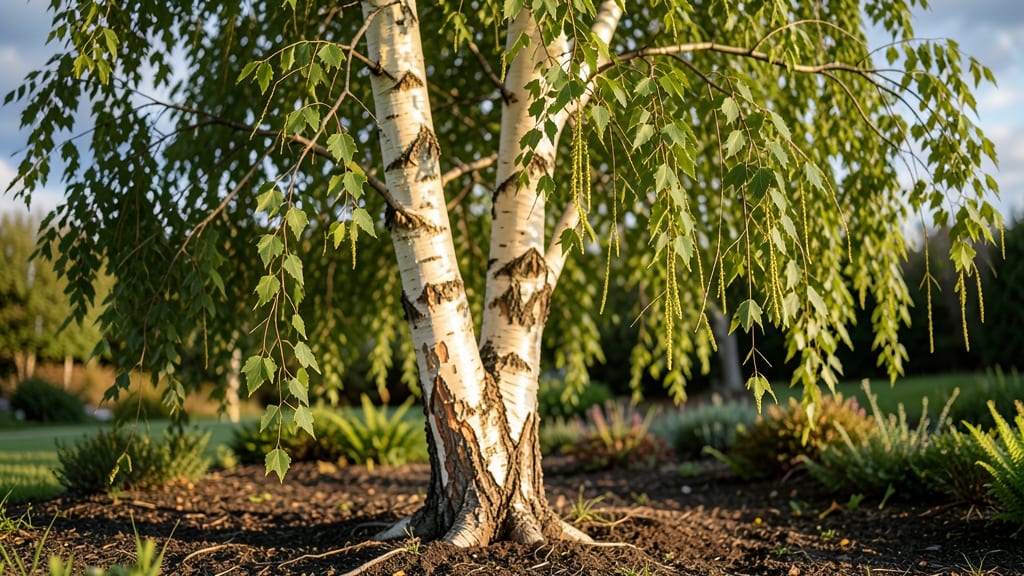
Wondering how tall does a river birch tree grow before it casts shade over your entire yard? This stunning 🌳 tree can reach heights between 30 to 50 feet at maturity, making it a dramatic statement piece—but its growth depends on more than just time.
If you're planning your landscape around this beauty, knowing its potential height helps you avoid surprises. Some varieties grow faster than others, while soil conditions and pruning habits can dramatically alter its final stature. Let’s break down exactly what to expect from your river birch over the years.
Whether you're in USDA Zone 6a or beyond, understanding growth patterns ensures you plant it where it belongs. We’ll cover how height varies by cultivar, how climate affects growth, and when you can expect that full, majestic spread.
Ready to make an informed choice? Let’s dive into the details so you can enjoy this tree’s full potential without the guesswork.

River birch tree height by variety: exact growth charts for common cultivars
The river birch tree (Betula nigra) grows into a stunning landscape feature, but its mature height varies dramatically by cultivar. If you're planning your garden, knowing the exact height range for each variety will help you choose the perfect fit for your space.
Most river birches reach 30-50 feet at maturity, but some dwarf varieties stay under 20 feet. Let's break down the most popular cultivars and their growth expectations.
For example, the 'Heritage' river birch is a top choice for its 40-50 foot height and striking exfoliating bark. Meanwhile, the 'Crimson Frost' cultivar typically grows 30-40 feet but offers vibrant foliage that changes from green to fiery red in fall.
These differences matter when selecting a tree for urban yards versus rural landscapes.
🌳
| Variety | Mature Height (ft) | Growth Rate (ft/year) | Key Features |
|---|---|---|---|
| Heritage | 40-50 | 1.5-2.5 | Cold-hardy, exfoliating bark |
| Crimson Frost | 30-40 | 1.2-2.0 | Brilliant fall color, disease-resistant |
| Dura-Hieze | 35-45 | 1.5-2.0 | Disease-resistant, fast-growing |
| Royal Frost | 30-35 | 1.0-1.5 | Compact, vibrant foliage |
| Fox Valley | 25-30 | 0.8-1.2 | Dwarf variety, great for small yards |
If you're wondering how quickly these trees grow, most river birches add 1-2 feet per year during their first decade. The 'Dura-Hieze' cultivar, for example, can reach 15 feet in just 7 years, making it ideal for faster landscape results.
However, growth slows as the tree matures, so don't expect the same rapid gains after year 10.
For urban gardeners with limited space, the 'Fox Valley' variety is a smart choice, maxing out at 25-30 feet while still delivering the river birch's signature peeling bark and golden fall foliage. This makes it perfect for medium-sized yards or as a focal point in suburban landscapes.
🌿
When planning your landscape, consider not just the mature height but also the spread of the tree. Most river birches have a spread of 30-40 feet, which means you'll need ample space for their canopy.
If you're planting near a house or driveway, leave at least 15 feet of clearance to avoid root interference or overhanging branches.
One common mistake I see is assuming all river birches grow the same height. The 'Heritage' variety, for instance, can easily top 50 feet, while the 'Royal Frost' stays more compact. Always check the cultivar's specific growth chart before purchasing to ensure it fits your space and design vision.
🪴
How soil conditions and climate affect river birch tree height growth
Your river birch tree's final height depends more on its growing conditions than you might think. While some varieties naturally stay shorter, soil moisture, pH levels, and climate zones can push a tree to reach its maximum potential—or stunt its growth entirely.
Understanding these factors helps you create the perfect environment for a towering specimen or a more manageable size for your landscape.
River birches thrive in wet or moist soils, but too much waterlogging can actually reduce their height growth. The key is well-drained soil that retains moisture without becoming soggy.
In ideal conditions, these trees can grow 3-5 feet per year during their first decade, while poor drainage might slow them to just 1-2 feet annually. This difference makes proper soil preparation critical before planting.
| Condition | Optimal Growth Impact | Suboptimal Growth Impact |
|---|---|---|
| Soil Moisture | Consistently moist, well-drained soil → Max height potential (40-50 ft) | Waterlogged or dry soil → Stunted growth (20-30 ft) |
| Soil pH | pH 5.0-7.0 → Faster height growth (3-5 ft/year early years) | pH <4.5 or >8.0 → Slower growth (1-2 ft/year) |
| Sunlight | Full sun (6+ hours) → Taller, stronger trunk | Partial shade → Shorter height, weaker branches |
| Climate Zone | USDA Zones 5-8 → Optimal growth (reaches full height) | Zones 4 or 9+ → Slower growth, stress-related height reduction |
Climate plays a surprising role in river birch height development. In USDA hardiness zones 5-8, these trees reach their full mature height of 40-50 feet with proper care. However, in cooler zones (4), growth slows significantly, often resulting in trees that max out at 25-35 feet.
Conversely, in warmer zones (9+), while height potential remains high, the tree may allocate more energy to leaf production than vertical growth, sometimes creating a bushier but shorter silhouette.
If you're planting in a drier climate, consider these adjustments: mulch heavily to retain moisture, water deeply twice weekly during the first growing season, and choose container-grown trees over bare-root, as they establish faster.
In wetter climates, ensure proper drainage by planting on a slight mound or using raised beds to prevent root rot, which can indirectly limit height growth by stressing the tree.
One common mistake gardeners make is assuming that more water always equals taller trees. While river birches love moisture, overwatering leads to poor root development, which directly impacts a tree's ability to support its own height.
Aim for consistently moist but not soggy soil by testing drainage before planting—dig a hole, fill it with water, and time how long it takes to drain. If it takes more than 6 hours, amend the soil with compost or sand.
For urban gardeners with limited space, focus on pruning young trees to encourage a stronger trunk rather than height. Remove water sprouts and competing branches in the first few years to redirect energy upward.
With the right conditions, even urban river birches can reach 30-40 feet, making them a stunning vertical focal point without overwhelming smaller landscapes.