
How To
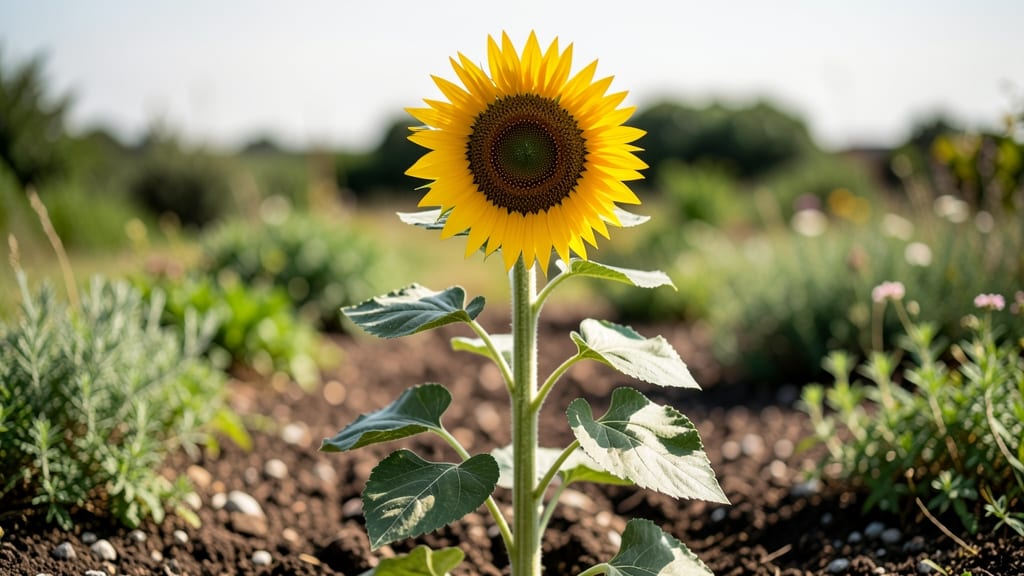
If you've ever wondered how tall a sunflower can grow—or dreamed of one so tall it blocks your view of the neighbor's fence—you're not alone. Some varieties can stretch up to 12+ feet or more!
But how tall a sunflower grows depends on the type you choose, and the right conditions can make all the difference in your garden.
From dwarf varieties that stay under 3 feet to towering giants reaching the roof, sunflowers offer a stunning range of heights. Whether you're growing them for cut flowers, bird feeders, or just to impress your neighbors, knowing which type to plant is key.
Let’s break down the heights you can expect and how to encourage those extra inches.
Sunflowers thrive in USDA Zone 6a and beyond, with the best planting window in April-May for a summer harvest. But did you know that proper spacing, sunlight, and soil can push even standard varieties toward their maximum potential?
With the right care, you could end up with a sunlit skyline right in your backyard.
Ready to turn your garden into a sunflower spectacle? We’ll cover the tallest varieties, expert tips for maximizing height, and how to support those giant stems so they stand proud all season long. Let’s get growing!

Sunflower height guide: from dwarf varieties to 12-Foot giants
Sunflowers are nature's skyscrapers, and their height can vary dramatically depending on the variety and growing conditions. While some dwarf sunflowers stay compact at just 1-3 feet, others like the 'Russian Giant' can reach 12-16 feet—taller than most garage doors!
Understanding these differences helps you choose the perfect sunflower for your space, whether you want a whimsical border or a dramatic focal point.
Genetics play the biggest role in sunflower height, but factors like sunlight exposure, soil quality, and watering practices can push plants to their full potential—or stunt their growth.
For example, a standard variety like 'Autumn Beauty' typically grows 5-9 feet, but with ideal care, it might surprise you by stretching an extra foot or two. Let’s break down the height ranges and what influences them.
🌻 Sunflower Height Comparison
| Variety Type | Height Range | Best For | Growth Tips |
|---|---|---|---|
| Dwarf | 1–3 ft | Containers, borders, small gardens | Full sun, well-draining soil |
| Semi-Dwarf | 3–6 ft | Cut flowers, pollinator gardens | Stake if windy; moderate water |
| Standard | 5–9 ft | Backyard focal points, bird feed | Deep, fertile soil; consistent moisture |
| Giant | 10–16+ ft | Competitions, dramatic displays | Heavy staking; rich, loose soil |
🌱 Height can vary by 20-30% based on growing conditions.
If you’re dreaming of 12-foot sunflowers, focus on giant varieties like 'Russian Giant' or 'Mammoth'. These need well-draining soil rich in organic matter to support their massive root systems. Without proper nutrients, even the tallest varieties might only reach 80-90% of their potential height.
I’ve seen 'Russian Giants' in competitions hit 14 feet with expert care, but in average home gardens, 10-12 feet is more common.
For smaller spaces, dwarf varieties like 'Teddy Bear' or 'Pocket Sun' stay under 3 feet and thrive in containers. They’re perfect for patios or windowsills but won’t provide the same wow factor as their towering cousins.
The key is matching the variety to your garden layout and maintenance capacity—giant sunflowers need staking and extra support to avoid flopping in storms.
Sunlight is non-negotiable for height. Sunflowers need 6-8+ hours of direct sun daily to grow to their full potential. In shady spots, even giant varieties might only reach 50-70% of their expected height.
I once grew 'Autumn Beauty' in partial shade and was shocked when they maxed out at 4 feet instead of their usual 7-9 feet. Always plant sunflowers where they’ll get unobstructed sunlight from morning until afternoon.
Soil quality affects height too. Sunflowers prefer loamy, well-draining soil with a pH of 6.0-7.5. Heavy clay or sandy soil can stunt growth, while amended soil with compost can boost height by 1-2 feet.
Before planting, mix in 2-3 inches of compost or aged manure to give your sunflowers the nutrients they need to stretch skyward. I’ve noticed that giant varieties especially benefit from this extra boost.
Watering plays a subtle but critical role. While sunflowers are drought-tolerant once established, consistent moisture during their first 6-8 weeks helps them develop strong stems. Underwatering can lead to weak, leggy growth, while overwatering causes root rot.
Aim for 1-2 gallons of water per plant weekly, especially during dry spells. In my garden, I water deeply in the morning to prevent fungal issues and encourage robust stem development.
Don’t forget about spacing. Crowded sunflowers compete for nutrients and sunlight, which can limit their height. Give dwarf varieties at least 12 inches of space, while giant sunflowers need 2-3 feet between plants.
Proper spacing ensures each plant has room to grow tall and strong without bending or breaking under its own weight. I’ve seen 10-foot sunflowers topple over simply because they were planted too close together.
For those chasing record heights, consider competition-grade varieties like 'Russian Giant' or 'American Giant'. These are bred specifically for maximum height and often include taller stems and larger seed heads.
If you’re growing sunflowers for cut flowers, prioritize varieties with strong stems like 'ProCut' or 'Evening Sun', which stay upright even when harvested. Whether you’re after height or beauty, choosing the right variety is the first step to sunflower success.
How to grow sunflowers taller: pro tips for maximizing height
Sunflowers love to stretch for the sky, but their growth depends on more than just genetics. Proper care can help your sunflowers reach their full potential—sometimes even exceeding their expected height.
Start with optimal spacing to reduce competition for nutrients and sunlight. Plant seeds 12-18 inches apart to give roots room to grow deep, which supports taller stems.
Consistent watering is another game-changer. Young plants need 1-2 gallons per week, but mature sunflowers can handle drought-like conditions once established. Water deeply in the morning to prevent fungal diseases like powdery mildew, which can weaken stems and stunt growth. Avoid overhead watering, especially in the evening.
🌱
⚠️ Common Mistakes That Stunt Growth
- Overcrowding: Too many plants compete for nutrients, leading to weak stems.
- Inconsistent watering: Drought stress or soggy soil both weaken root systems.
- Pruning too early: Removing leaves or stems before flowering reduces energy for growth.
- Poor soil drainage: Waterlogged roots can’t absorb nutrients efficiently.
Fertilizing plays a key role too. Use a balanced 10-10-10 fertilizer at planting and again when plants are 12 inches tall. Avoid heavy nitrogen—it promotes leafy growth over stem height.
Instead, focus on phosphorus and potassium to strengthen roots and flowers. For giant varieties, a light side-dressing of compost in early summer can give them an extra boost.
Supporting tall sunflowers is a must. Use stakes or cages when plants reach 3-4 feet tall to prevent them from bending or breaking in wind or rain. For varieties over 10 feet tall, consider trellising techniques or tying stems to sturdy posts.
This not only protects them but also encourages upward growth by reducing energy spent on stabilizing.
Finally, prune strategically—but only after flowering. Remove dead or diseased leaves to improve air circulation, but avoid cutting back healthy foliage. The more leaves a sunflower has, the more energy it can produce for growth.
If you’re growing sunflowers for seed production, let the plant complete its cycle without interference.
With these tips, your sunflowers could grow 20-30% taller than average, turning your garden into a sunlit skyline. Just remember: patience and consistency are key! 🌻