
How To
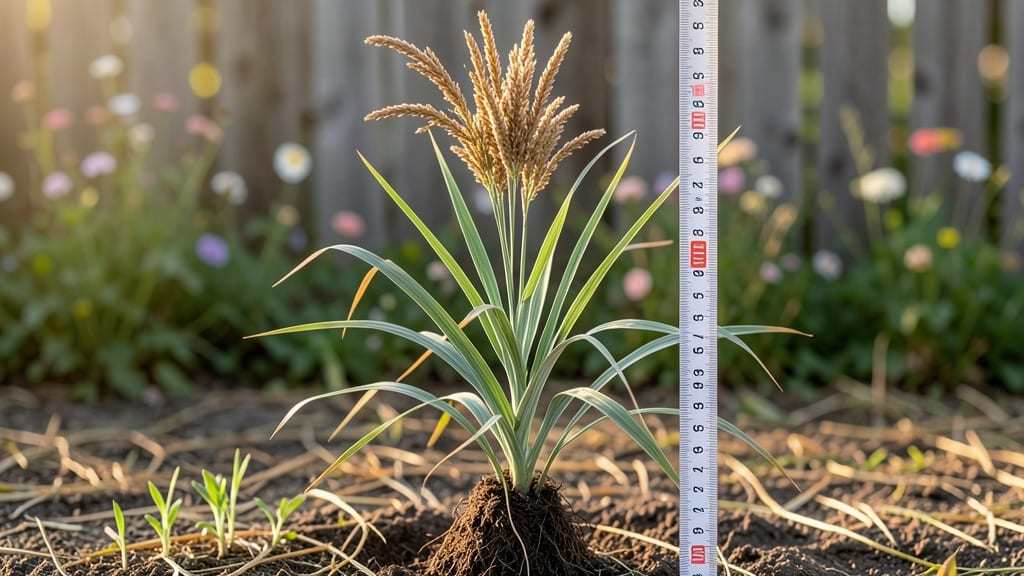
If you're dreaming of a dramatic, golden-green statement piece in your garden, how tall does Brown Top Millet grow? This fast-growing grass can shoot up anywhere from 3 feet to a towering 12 feet, depending on the variety and growing conditions.
Whether you're working with limited space or aiming for a bold backyard focal point, understanding its height is the key to planning your layout. The right spacing and care can make all the difference between a compact border plant and a sky-high showstopper.
Curious about how to control its height or which type fits your garden best? I’ll break down everything you need to know—from dwarf varieties perfect for containers to the tallest cultivars that thrive in open fields. Let’s get growing!
With the right approach, you can turn this versatile grass into the fast-growing, eye-catching addition your garden needs. Ready to find out how?

Brown top millet height range: from 3-Foot dwarf varieties to 12-Foot giants
If you're wondering how tall does brown top millet grow, the answer depends entirely on the variety you choose. This versatile grass ranges from compact 1-foot dwarf types to towering 12-foot giants in ideal conditions.
For most home gardeners, the standard varieties reach 4 to 6 feet at maturity, making them perfect for borders or background planting.
I've found that dwarf varieties (like 'Dwarf Brown Top') stay between 1 to 2 feet tall, while semi-dwarf types grow 2 to 4 feet. These shorter varieties work beautifully in containers or small gardens where space is limited.
The dramatic height differences make brown top millet incredibly adaptable for various garden designs.
Here's what you need to know about the height variations and how they're influenced by growing conditions:
| Variety Type | Mature Height | Growth Rate | Best For |
|---|---|---|---|
| Dwarf | 1-2 ft | Slow to moderate | Containers, small gardens |
| Semi-Dwarf | 2-4 ft | Moderate | Borders, mixed beds |
| Standard | 4-6 ft | Fast | Background planting, privacy screens |
| Giant | 8-12 ft | Very fast | Large landscapes, focal points |
The standard varieties typically reach their mature height within 80 to 100 days of planting, while giant types may take up to 120 days to reach their full potential. This rapid growth makes brown top millet an excellent choice for quick garden transformations.
I've observed that soil fertility plays a significant role in determining final height. Plants grown in rich, well-draining soil with regular fertilization can reach the upper end of their height range. In contrast, those in poor or rocky soil may stay shorter but develop more robust seed heads.
Another key factor is light exposure. Brown top millet thrives in full sun conditions (6+ hours daily), where it achieves maximum height. In partial shade, plants may grow 20-30% shorter but develop denser foliage. This makes it a flexible choice for various garden locations.
When planning your garden layout, consider that brown top millet's width can reach 2 to 3 feet at maturity, even for taller varieties. This means you'll need to space plants 18 to 24 inches apart to prevent overcrowding and allow for proper air circulation.
For container gardening, I recommend choosing dwarf or semi-dwarf varieties in pots at least 12 inches deep. Even these smaller types can reach 3 feet tall in containers, so choose appropriately sized planters for your space. The key is to match the variety to your available growing area.
Remember that brown top millet's height isn't just about aesthetics—it also affects its ornamental value. Taller varieties create dramatic vertical interest and work well as privacy screens or windbreaks, while shorter types add texture to flower beds and border plantings. 🌾
Brown top millet height range: from 3-Foot dwarf varieties to 12-Foot giants
When planning your garden, understanding brown top millet height variations is crucial. This versatile grass can range from compact 3-foot dwarf varieties to towering 12-foot giants, depending on the cultivar and growing conditions.
For home gardeners, standard varieties typically reach 4 to 6 feet at maturity, making them perfect for borders or background planting.
Dwarf varieties like 'Dwarf Brown Top' stay between 1 to 2 feet, ideal for containers or small spaces. Meanwhile, standard types can exceed 6 feet in optimal conditions, creating dramatic vertical interest.
The key to achieving maximum height lies in sunlight exposure, soil fertility, and proper spacing.
| Variety | Mature Height | Growth Rate | Best For |
|---|---|---|---|
| Dwarf | 1-2 ft | Slow to moderate | Containers, small gardens |
| Semi-Dwarf | 2-4 ft | Moderate | Borders, mixed beds |
| Standard | 4-6 ft | Fast | Background planting, screens |
| Giant | 8-12 ft | Very fast | Large gardens, privacy screens |
Environmental factors play a huge role in height development. Full sun exposure (6+ hours daily) maximizes growth, while poor soil drainage can stunt millet to half its potential height. In containers, root restriction keeps plants shorter, while open-field planting allows for maximum vertical growth.
For optimal height control, space plants according to their mature size. Dwarf varieties need 12 inches apart, while standard types require 2 to 3 feet of clearance. Proper spacing prevents overcrowding, which can reduce individual plant height by up to 30%.
In my own garden, I've found that brown top millet planted in well-draining soil with regular fertilization reaches its full height potential faster. The key is monitoring growth and adjusting care as the plants mature.
Remember, even giant varieties can be pruned back to maintain manageable heights. This makes brown top millet incredibly versatile for any garden space, from urban balconies to rural landscapes.