
How To
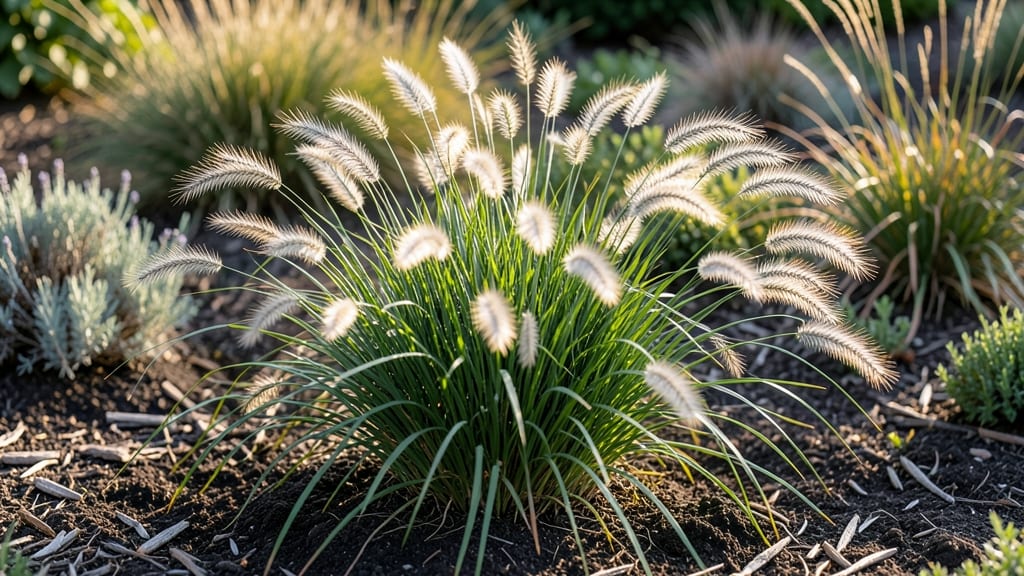
If you're dreaming of adding Bunny Tail Grass 🌿 to your garden but wondering how tall this grass can grow, you’re in the right place.
This charming ornamental grass typically reaches heights between 1 and 3 feet, but the real story lies in how its growth varies by variety—and how you can influence it with smart spacing and care.
Picture this: one minute you’re admiring its fluffy, cotton-candy-like plumes, and the next, you’re debating whether to trim it back to keep it from overshadowing your other plants. The good news?
With the right approach, you can steer its height to fit your garden’s vision, whether you want a low border or a taller accent piece.
From the compact 1-foot varieties perfect for edging walkways to the 3-foot giants that make striking focal points, we’ll break down exactly what to expect—and how to avoid common mistakes that can stunt or overpower its natural growth. Ready to get the full picture?
You’ll also discover how sunlight, soil, and even your pruning habits play a role in shaping its height. Let’s dive into the details so you can plant with confidence and enjoy Bunny Tail Grass at its best.

Bunny Tail Grass height by variety: compact to towering options
Bunny Tail Grass (Lagurus ovatus) is one of those ornamental grasses that surprises gardeners with its fluffy, cotton-like plumes—and its height range varies dramatically by variety.
While the classic Bunny Tail Grass typically reaches 12–24 inches tall, some modern hybrids can stretch to 36 inches or more. Understanding these differences helps you choose the perfect variety for your garden's height requirements and design goals.
The classic Lagurus ovatus is the most common type, growing 1–2 feet tall with a clumping habit. It’s ideal for borders, containers, and cottage gardens where you want a neat, bushy appearance.
However, if you’re looking for a taller statement piece, varieties like Pennisetum 'Burgundy Bunny' can reach 3–4 feet while maintaining that signature fluffy texture. Always check the mature height on seed packets or plant tags—this is your best guide.
Here’s the key: Bunny Tail Grass height isn’t just about the variety—it’s also influenced by sunlight exposure, soil fertility, and pruning habits.
For example, plants grown in full sun with well-draining soil tend to grow taller and fuller, while those in partial shade may stay shorter but denser.
If you’re using Bunny Tail Grass as a privacy screen, opt for the taller varieties and space them closer together for a lush, uniform look.
One of my favorite height comparisons is placing Bunny Tail Grass next to sunflowers or small shrubs. A mature 2-foot Bunny Tail will sit at about knee height, making it perfect for mixed borders where you want to add texture without overwhelming other plants.
For container gardening, dwarf varieties (like those under 12 inches) work beautifully in hanging baskets or window boxes.
🌱 Bunny Tail Grass Varieties: Height Comparison
| Variety | Mature Height | Spread | Best For |
|---|---|---|---|
| Lagurus ovatus 'Bunny Tail' | 12–24 inches | 12–18 inches | Borders, containers, cut flowers |
| Pennisetum 'Burgundy Bunny' | 30–36 inches | 18–24 inches | Privacy screens, back of beds |
| Lagurus ovatus 'Dwarf' | 6–12 inches | 8–12 inches | Rock gardens, window boxes |
| Pennisetum 'Little Bunny' | 18–24 inches | 12–18 inches | Mixed borders, pollinator gardens |
Seasonal growth is another factor to consider. Bunny Tail Grass typically bolts upright in spring, reaching its peak height by early summer. After flowering, the plumes turn tan or gold, and the plant may slightly deflate but retains its structure.
In winter, most varieties die back to the ground, only to sprout anew in spring. This annual cycle means you can prune it to the ground in late fall or early spring without harming future growth.
If you’re planning a garden layout, think about how Bunny Tail Grass will interact with other plants. For example, pairing it with low-growing perennials (like lavender or catmint) creates a stunning height contrast, while placing it behind tall shrubs (like hydrangeas) lets its fluffy texture shine.
Pro tip: Group taller varieties together to create a natural screen—just ensure they have enough root space to avoid competition.
For container gardening, choose dwarf varieties or prune taller types to maintain a compact shape. A 12-inch Bunny Tail in a hanging basket adds vertical interest without overwhelming smaller spaces.
If you’re using it as a cut flower, harvest stems when they’re fully plumed but before they brown—this ensures the longest vase life and preserves the signature fluffiness that makes Bunny Tail Grass so beloved.
One common mistake is overcrowding plants, which can stunt their growth. Bunny Tail Grass needs adequate airflow to thrive, so avoid planting it too closely to dense shrubs or trees.
Instead, give it 12–24 inches of space (depending on the variety) to ensure it reaches its full potential height. In my own garden, I’ve found that spreading taller varieties 24 inches apart creates a lush, uniform screen by midsummer.
Finally, don’t forget that soil quality plays a role in height. Bunny Tail Grass prefers well-draining, slightly alkaline soil (pH 6.0–7.5).
If your soil is heavy or clay-like, amend it with compost or sand to prevent root rot, which can weaken the plant and reduce its vertical growth.
A light feeding in spring with a balanced fertilizer (10-10-10) gives it the nutrients needed to reach its maximum height without flopping.
Bunny Tail Grass height by variety: compact to towering options
Bunny Tail Grass (Lagurus ovatus) is one of the most versatile ornamental grasses, with heights ranging from compact 12-inch mounds to towering 3-foot screens.
The classic Lagurus ovatus variety typically reaches 2–3 feet tall, while newer hybrids like 'Bunny Tail' fountain grass can stretch up to 36 inches with proper care. Understanding these variations helps you choose the perfect fit for your garden—whether you want a delicate border or a bold privacy screen.
Height isn’t the only factor—spread matters too. Most varieties grow 12–18 inches wide, but some, like 'Little Bunny' dwarf varieties, stay under 1 foot tall and wide, making them ideal for containers or rock gardens.
For larger spaces, varieties like Pennisetum 'Bunny Tail' can create dramatic vertical accents when planted in groups.
Seasonal growth patterns also affect height. Bunny Tail Grass grows fastest in spring and early summer, often doubling in size during this period. In fall, growth slows, and the grass may brown but retains its structure until winter.
If you’re using it for cut flowers, harvest stems when they reach 70–80% of their mature height to encourage bushier regrowth.
For a visual comparison, imagine a classic Bunny Tail reaching the height of a small shrub or your knees when bent over. Dwarf varieties, on the other hand, stay at ankle height, perfect for edging or container gardens.
Pro tip: Plant taller varieties in the back of borders and shorter ones in the front to create depth and texture.
Climate plays a role too. In hot, dry regions, Bunny Tail Grass may grow slightly taller as it stretches for moisture, while humid climates can lead to softer, slightly shorter growth.
Always plant in full sun (6+ hours daily) to maximize height potential—shady spots can reduce mature height by 30–50%.
If you’re planning a large-scale planting, consider spacing taller varieties 18–24 inches apart to prevent overcrowding, which can stunt growth. For dwarf types, 12-inch spacing works perfectly.
With the right variety and care, Bunny Tail Grass can transform your garden into a textured, low-maintenance masterpiece—without the height surprises! 🌿