
How To
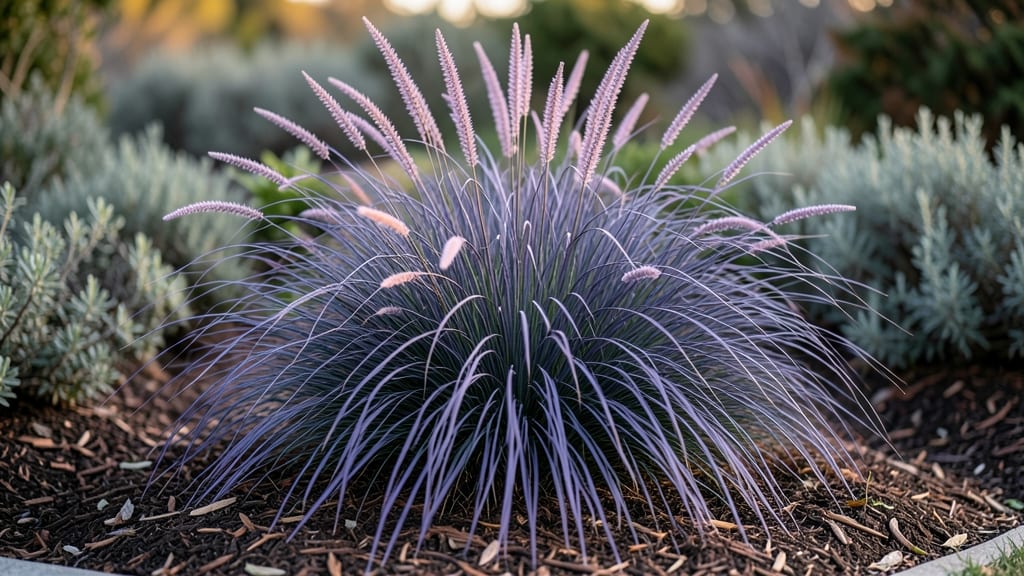
Wondering how tall your Purple Fountain Grass 🌿 will grow before it becomes that stunning centerpiece in your garden? This ornamental grass typically reaches a mature height of 2 to 4 feet, but several factors can push it even taller—or keep it more compact.
If you're planning your landscape layout, knowing its growth habits is key. Purple Fountain Grass grows in a clumping pattern, which means it stays neat and controlled without spreading aggressively.
Whether you're in USDA Zone 6a or a warmer climate, understanding its growth patterns helps you decide where to plant it for maximum impact.
Sunlight, soil quality, and even pruning techniques play a big role in how tall it gets. With the right care, you can encourage it to reach its full potential—or trim it back to maintain a more manageable size.
Let’s break down everything you need to know to keep your Purple Fountain Grass thriving at the perfect height.
The best part? This grass is low-maintenance and adds year-round interest to your garden. Whether you want it as a border, a focal point, or part of a pollinator-friendly design, knowing its height range helps you make the most of its natural beauty.
Ready to learn how to nurture it for the best results?

Purple fountain grass height by mature stage: seasonal growth patterns explained
Purple fountain grass (Pennisetum 'Purple Fountain') is a showstopper in any garden, but its height varies dramatically depending on the season and growing conditions.
On average, this ornamental grass reaches 2 to 4 feet tall at maturity, but with ideal care, it can stretch up to 5 feet during peak summer growth.
The grass starts small in spring, emerging as 6-inch shoots after the last frost. By mid-summer, it explodes into its signature plume-like purple blooms, reaching its maximum height. In fall, the foliage turns golden-brown, and the plant gradually shrinks back as it prepares for dormancy.
Understanding these seasonal shifts helps you plan for pruning, mulching, and even winter protection. For example, if you’re using it as a privacy screen, timing your plantings ensures it fills in quickly during its fastest growth phase—typically June to August.
Here’s a quick breakdown of what to expect at each stage:
| Stage | Height Range | Growth Notes |
|---|---|---|
| Spring (April–May) | 6–12 inches | New shoots emerge; minimal height gain. |
| Summer (June–August) | 3–5 feet | Peak growth; blooms develop; tallest in full sun. |
| Fall (September–October) | 2–4 feet | Foliage turns golden; height reduces as plant prepares for dormancy. |
| Winter (November–March) | 6–12 inches (dormant) | Stems die back; roots remain active in mild climates. |
Note: Heights vary by USDA zone and care practices.
In USDA zones 6–9, purple fountain grass thrives year-round, often reaching its maximum height by late summer. However, in cooler zones (4–5), growth may be stunted, rarely exceeding 2.5 feet unless protected from frost.
To encourage taller growth, prioritize full sun exposure (6+ hours daily) and well-draining soil. Overwatering or poor drainage can limit height by causing root stress. Conversely, drought conditions may slow growth but won’t drastically reduce mature height.
If you’re using purple fountain grass as a border plant or container specimen, expect it to stay on the shorter side (2–3 feet). For dramatic vertical impact, plant it in groups of 3–5 to create a lush, textured backdrop.
Pro tip: In hot climates (zones 9–10), the grass may grow taller but flop under heavy blooms. Staking or light pruning in early summer can maintain upright growth.
Finally, remember that first-year plants grow slowly, often reaching only 1–2 feet. Patience is key—by year two, your purple fountain grass will fill out and hit its full height potential.
Purple fountain grass height by mature stage: seasonal growth patterns explained
Understanding purple fountain grass height is key to creating stunning garden designs. This ornamental grass typically reaches 2–4 feet tall at maturity, but its growth varies dramatically by season and care.
In spring, you’ll see rapid growth from 1–2 feet to its full height by summer, while winter often brings a slight retreat to 1.5–2.5 feet as it enters dormancy.
One of the most striking features of purple fountain grass is how its height evolves. In ideal conditions—like full sun exposure and well-draining soil—it can even spike to 5 feet tall during peak summer growth.
However, cooler climates or less sunlight may cap its height at 2–3 feet, making it a versatile choice for various garden spaces.
| Stage | Height Range | Seasonal Notes |
|---|---|---|
| Spring Emergence | 1–2 ft | Rapid growth after last frost; needs consistent moisture. |
| Summer Peak | 3–5 ft | Tallest in warm, sunny climates; prune if overgrowth occurs. |
| Fall Transition | 2–4 ft | Height stabilizes; foliage turns golden-brown. |
| Winter Dormancy | 1.5–2.5 ft | Stems may die back; mulch to protect roots. |
If you’re planning your garden layout, consider the mature height of purple fountain grass alongside its spreading habit. While it grows upright, it also spreads 2–3 feet wide, creating a lush, fountain-like appearance.
This makes it perfect for borders, containers, or as a focal point in mixed perennial beds.
For optimal growth, ensure your purple fountain grass receives 6+ hours of sunlight daily and well-draining soil. Overwatering can stunt its height, while consistent moisture encourages taller, fuller stems.
In my own garden, I’ve seen the biggest height gains in USDA Zone 8, where summers are long and hot.
One common misconception is that purple fountain grass will grow indefinitely. In reality, its height stabilizes by its second or third year, making it a reliable, low-maintenance choice.
With the right care, you can enjoy its vibrant purple plumes year after year, even in cooler climates where it may stay slightly shorter.
Ready to incorporate this stunning grass into your landscape? Start by measuring your space and planning for its 2–4 foot height, then provide the ideal growing conditions for a showstopping display. Your garden will thank you with year-round color and texture! 🌿