
How To
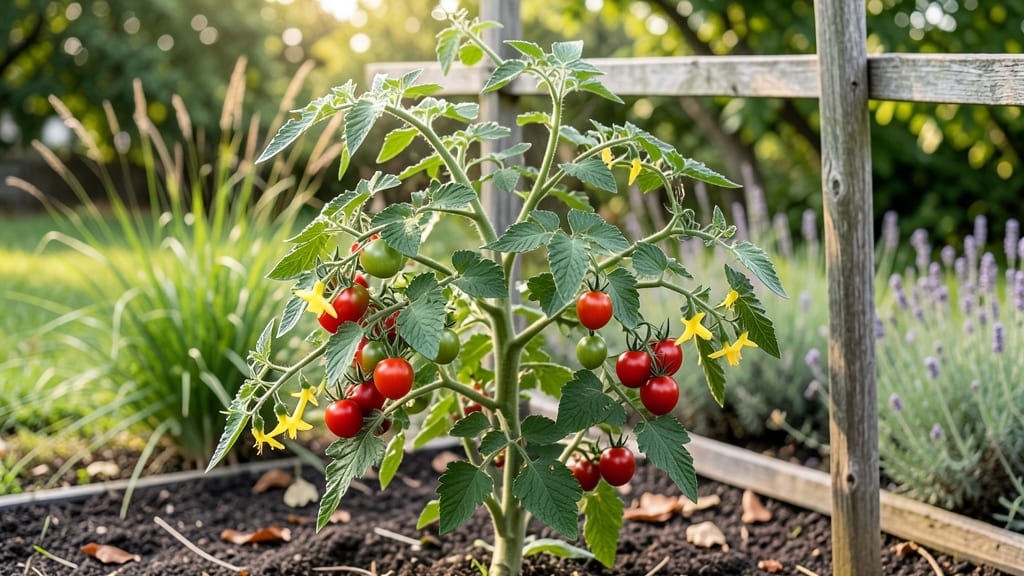
Wondering how tall cherry tomatoes grow before you commit to planting? The answer could change how you plan your garden—because these little 🍅 powerhouses come in sizes ranging from tiny patio-friendly bushes to towering vines that need serious support.
If you're working with limited space, some compact varieties stay under 2 feet, making them perfect for containers or windowsills. But if you're dreaming of a classic vine-loaded tomato cage, get ready for heights up to 6 feet or more with indeterminate types.
The key? Knowing your variety's growth habit before you plant.
Whether you're a first-time gardener or a seasoned grower, understanding these height differences helps you choose the right spot, support structure, and even pruning strategy. Let's break down the exact heights you can expect from popular cherry tomato types—and how to keep them thriving no matter their size.
From dwarf varieties that fit snugly in hanging baskets to sprawling vines that need trellises, we'll cover everything you need to know to make the most of your garden space. Ready to pick the perfect cherry tomato for your setup?

Cherry tomato height ranges by variety type (dwarf to vining)
Cherry tomatoes aren’t one-size-fits-all when it comes to height. Some varieties stay neatly contained in a 1-foot pot, while others climb like jungle vines to 10 feet or more without support.
The key difference lies in their growth habit: determinate (bush), semi-determinate, or indeterminate (vining). Let’s break down the height ranges you’ll encounter and how they impact your garden planning.
Determinate varieties are the compact champions of the cherry tomato world, typically reaching 2-4 feet tall at maturity. These bush types produce fruit all at once, making them ideal for small spaces or container gardening.
Semi-determinate varieties bridge the gap, growing 3-5 feet tall with a slightly more extended harvest window. Indeterminate varieties, on the other hand, are the vertical wonders, capable of growing 6-10 feet tall if left unchecked.
Here’s where things get practical: your garden layout and support structures will depend entirely on the variety you choose. A 3-foot-tall determinate plant needs minimal support, while a 10-foot indeterminate vine will require a sturdy trellis or cage to prevent sprawl.
Let’s dive into the specifics with a side-by-side comparison of the most popular types.
For example, the Tiny Tim cherry tomato is a determinate dwarf that tops out at just 18 inches, perfect for hanging baskets or windowsill gardens. Meanwhile, the Sweet Million indeterminate variety can reach 8 feet tall if given the right conditions, producing cherry-sized tomatoes all season long.
Your choice hinges on your space constraints and whether you prefer a single harvest or a continuous supply.
Even within these categories, pruning practices can influence height. Indeterminate varieties, if heavily pruned, can be kept to 4-5 feet instead of their full 10-foot potential. This is especially useful if you’re growing in a small urban garden or balcony container.
Pruning also improves airflow, reducing the risk of disease and boosting fruit production.
Another critical factor is your climate zone. In warmer regions (USDA Zones 8-10), indeterminate varieties can grow even taller due to longer growing seasons. In cooler climates (Zones 4-6), you might see slightly shorter vines unless you extend the season with row covers or greenhouses.
Always check the seed packet recommendations for your specific variety, as some are bred for shorter seasons.
If you’re new to cherry tomatoes, start with a determinate variety like Tumbling Tom or Patio Princess to get a feel for their compact growth. Once you’re comfortable, experiment with indeterminate types like Sun Gold or Black Cherry for a longer harvest and more dramatic vertical growth.
Just remember: taller vines need more frequent watering and sturdier support to prevent breakage.
For those with limited vertical space, consider espalier training—a technique where you train vines to grow flat against a trellis or fence. This method works beautifully with indeterminate varieties, allowing you to grow 6-foot-tall vines in a 3-foot-wide space.
It’s a game-changer for small gardens or urban balconies.
Lastly, don’t overlook the root system. Determinate varieties have shallow roots and thrive in containers, while indeterminate types develop deep taproots
Cherry tomato height ranges by variety type (dwarf to vining)
Cherry tomatoes aren’t one-size-fits-all when it comes to height. The two main growth habits—determinate (bush) and indeterminate (vining)—dictate everything from spacing to support needs.
Determinate varieties top out at 2-4 feet, making them perfect for containers, while indeterminate types can climb 6-10 feet or more without pruning. Even within these categories, micro-varieties and semi-determinate hybrids blur the lines.
Your garden’s layout and your cherry tomato goals should guide your choice. For example, ‘Tiny Tim’ stays under 2 feet, ideal for windowsills, while ‘Sweet Million’ (indeterminate) needs trellising for 8+ feet.
Understanding these ranges helps you avoid overcrowding or wasted space—critical for maximizing your harvest in any-sized plot.
Here’s how the three primary categories break down by mature height, spacing needs, and ideal support:
| Variety Type | Height Range | Spacing | Support Needed | Best For |
|---|---|---|---|---|
| Determinate (Bush) | 1–4 ft | 18–24" apart | None (or small cages) | Containers, small beds |
| Semi-Determinate | 3–5 ft | 24–30" apart | Light trellis or stakes | Balconies, raised beds |
| Indeterminate (Vining) | 6–10+ ft | 36–48" apart | Strong trellis or cage | Vertical gardens, large plots |
Even within these categories, micro-varieties like ‘Tumbling Tom’ (a trailing indeterminate) can spill over edges at 3–5 feet, while ‘Balcony Red’ (determinate) stays tidy at 2 feet.
The key is matching your space constraints to the plant’s natural growth pattern. For example, indeterminate types produce fruit all season but need consistent pruning to stay manageable.
Pruning also plays a huge role. Left unchecked, an indeterminate vine can reach 12 feet, but aggressive pruning keeps it at 6–8 feet while boosting fruit production. Determinate types rarely need pruning—they stop growing after their first flush of fruit.
This difference alone can save you from a 6-foot-tall monster in a 5-gallon pot!
If you’re growing in containers or small spaces, prioritize dwarf or semi-determinate varieties. For larger gardens, indeterminate types offer continuous harvests but demand more effort. The right choice depends on whether you prefer low-maintenance bush types or high-yield vining varieties.
🌱