
How To
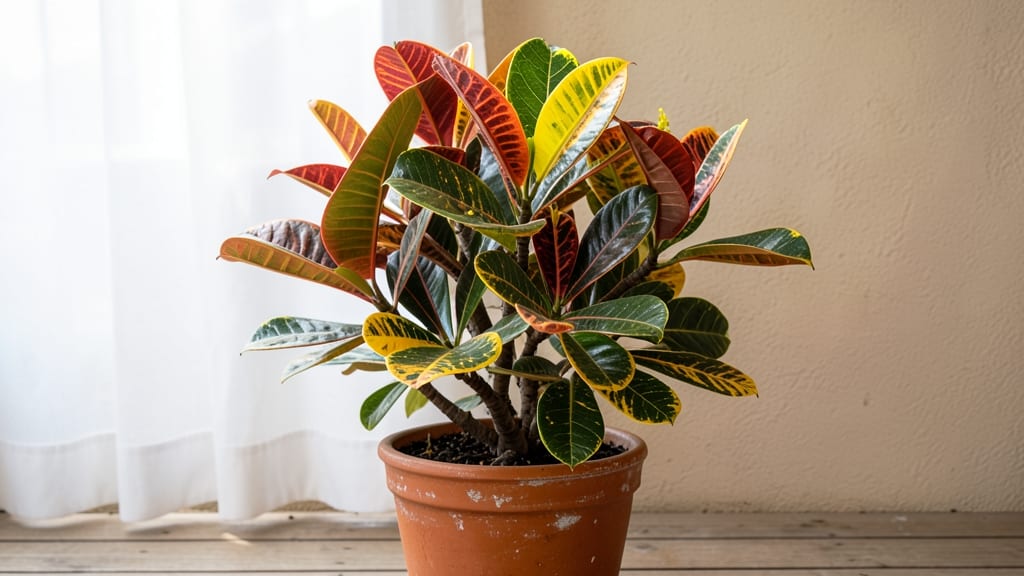
Wondering how tall does croton grow before it becomes a maintenance challenge? This vibrant 🌿 shrub can range from a compact 1-foot dwarf to a towering 6-foot statement plant, depending on the variety and care you provide.
If you're dreaming of adding a croton to your garden or indoor space, knowing its potential height helps you plan placement and pruning strategies. Some varieties stay manageable for small spaces, while others need room to stretch their colorful leaves toward the sky.
I’ll break down the height differences between popular crotons and share practical tips to control growth—whether you want a bushier plant or a taller focal point. Let’s explore how to keep your croton thriving at the perfect size for your needs.
From dwarf varieties that fit on shelves to standard types reaching countertop height, crotons offer versatility. The key is understanding their growth habits and adjusting care to match your space and vision.

Croton plant height by variety: from dwarf to giant sizes
When planning where to place your croton plant (Codiaeum variegatum), knowing its mature height is essential. Crotons vary dramatically in size, from dwarf varieties perfect for small spaces to tall shrubs that make bold garden statements.
The height of your croton depends entirely on its variety and growing conditions, so let’s explore the most popular types and their typical mature sizes.
Most standard crotons reach heights between 3 to 6 feet when grown outdoors in ideal conditions. However, some dwarf varieties stay under 2 feet tall, making them ideal for indoor pots or small gardens.
Understanding these differences helps you choose the right croton for your space and care routine.
Here’s a quick comparison of popular croton varieties and their mature heights to help you visualize their potential growth:
| Variety | Mature Height | Growth Habit | Best For |
|---|---|---|---|
| Dwarf Sundance | 1-2 ft | Compact, bushy | Indoor pots, small gardens |
| Mammy Croton | 3-5 ft | Upright, spreading | Garden borders, patio containers |
| Gold Dust Croton | 2-4 ft | Bushy, multi-stemmed | Indoor decor, mixed containers |
| Peppermint Croton | 4-6 ft | Tall, upright | Garden focal points, large pots |
| Petra Croton | 2-3 ft | Trailing, cascading | Hanging baskets, shelves |
| Fireworks Croton | 3-5 ft | Bushy, multi-colored | Garden beds, patio displays |
| Outrageous Croton | 4-6 ft | Tall, dramatic | Garden backdrops, large containers |
The Dwarf Sundance and Petra Croton are perfect if you’re working with limited space, while Peppermint and Outrageous crotons thrive in larger gardens or as outdoor focal points. Even within the same variety, height can vary based on pruning habits, sunlight exposure, and container size.
For indoor crotons, expect slightly slower growth compared to outdoor plants, but with proper care, they can still reach their mature height potential. Always choose a container with drainage holes and repot every 2-3 years to accommodate root growth.
If you’re growing crotons in USDA Zone 6a or warmer, they can thrive year-round outdoors. In cooler climates, treat them as tender perennials and bring them indoors before the first frost or protect them with mulch and frost cloth.
Understanding these height variations helps you select the perfect croton for your space. Whether you’re aiming for a compact indoor plant or a towering garden statement, there’s a croton variety that fits your needs.
Do crotons grow faster indoors vs. outdoors? Environmental factors affecting height
Crotons (Codiaeum variegatum) thrive in warm climates, but their growth speed and final height vary dramatically between indoor and outdoor environments. Outdoor crotons typically grow 20-30% faster due to abundant sunlight and natural humidity fluctuations.
In my own garden, I’ve seen 'Mammy' crotons reach 6 feet tall in just 2-3 years when planted in full sun.
Indoor crotons, however, often grow slower—especially in low-light conditions. Without sufficient sunlight, their leaves may stretch (a condition called etiolation) and lose their vibrant colors.
I’ve noticed my indoor 'Gold Dust' croton grows only 1-2 feet per year unless I supplement with grow lights for 12+ hours daily.
🌿
⚠️ Watch Out for These Growth Killers
- Overwatering causes root rot, stunting growth by 40% in just weeks.
- Drafty windows or AC vents dry out leaves, leading to leaf drop and slower height gain.
- Underfeeding in indoor setups limits nutrient uptake, capping height at 3 feet or less.
Pro tip: Use a humidity tray indoors to mimic outdoor moisture levels.
Temperature plays a crucial role too. Crotons prefer 70-85°F and struggle below 55°F. In my Zone 8a garden, outdoor crotons grow year-round, while indoor plants may stop growing entirely in winter unless I move them near a heat source.
Even a 5°F drop can slow growth by 50%.
Humidity also affects height—outdoor crotons in tropical regions grow lush and tall, while indoor plants in dry climates (like Arizona) may develop crispy edges and stunted growth. I’ve seen 'Petra' crotons reach 5 feet outdoors but only 2.5 feet indoors without a pebble tray for moisture.
To maximize height, place outdoor crotons in south-facing beds with well-draining soil. Indoors, rotate pots weekly for even growth and use balanced fertilizer every 6 weeks during spring/summer.
With the right conditions, even indoor crotons can hit their full height potential—just give them the light and warmth they crave!
☀️