
How To
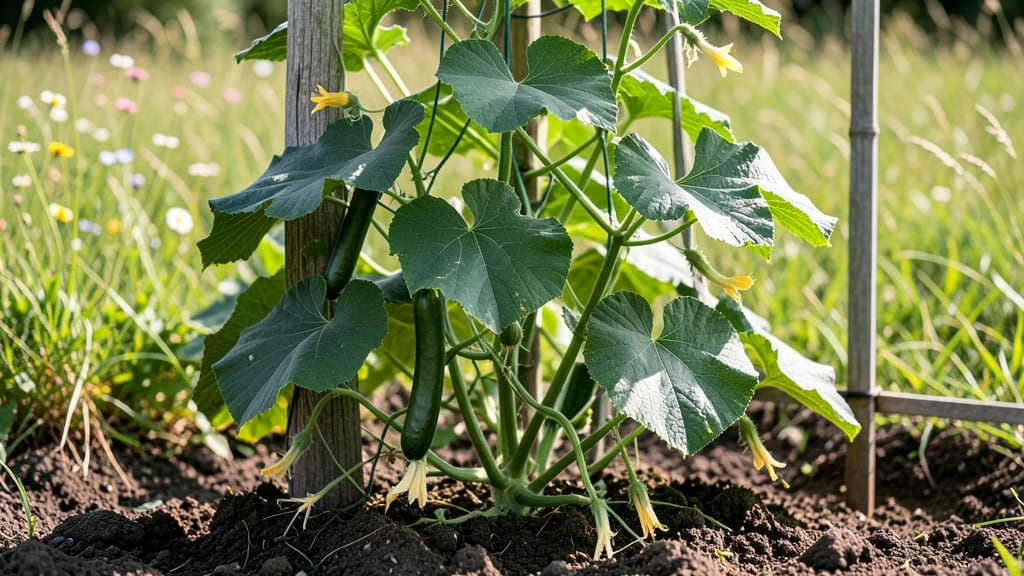
If you’ve ever wondered how tall does cucumber plant grow, the answer might surprise you—some varieties stretch like jungle vines while others stay neatly compact. 🥒 Whether you're working with limited garden space or dreaming of a bountiful harvest, choosing the right cucumber type could make all the difference.
Most cucumbers fall into two main categories: sprawling vines that climb up to 10 feet or bush varieties that stay under 3 feet. The good news? With the right techniques—like trellising or pruning—you can control their growth and maximize your yield, even in small spaces.
In this guide, I’ll break down the height ranges of popular cucumber varieties, share space-saving tips, and help you pick the perfect fit for your garden. Whether you’re a beginner or a seasoned gardener, you’ll learn how to grow cucumbers that thrive without taking over your yard.
Ready to transform your garden into a productive cucumber haven? Let’s dive into the details and find the ideal variety for your space—no matter how big (or small) your plot may be.

Cucumber plant height variations: from dwarf to vining giants
Cucumber plants can grow anywhere from 1 foot to 20 feet, depending on the variety and growing conditions. Understanding these differences helps you choose the right type for your garden space. Bush varieties stay compact, while vining types need vertical support to reach their full potential.
The height of a cucumber plant depends on genetics, pruning habits, and whether you use trellises or cages. Without support, vining types sprawl across the ground, while trellised plants grow vertically. This dual nature makes cucumbers incredibly versatile for different garden layouts.
Here’s a quick breakdown of what to expect: Dwarf varieties (like Bush Champion) top out at 3 feet, while standard vining types (like Marketmore) can climb 10-20 feet with proper support. Hybrid varieties often fall somewhere in between, offering a balance of space efficiency and yield.
Choosing the right height range isn’t just about space—it also affects yield, maintenance, and disease risk. Taller vines produce more cucumbers but require more care, while compact varieties are easier to manage but may yield less. Let’s explore the key categories in detail.
🌱
| Variety Type | Height Range | Space Needs | Support Required | Yield Potential |
|---|---|---|---|---|
| Dwarf/Bush | 1-3 ft | Compact (3x3 ft) | None (or small cage) | Moderate (10-15 cucumbers) |
| Semi-Dwarf | 3-6 ft | Moderate (4x4 ft) | Trellis or stake | High (20-30 cucumbers) |
| Standard Vining | 6-10 ft | Sprawling (or vertical) | Strong trellis | Very High (30-50+ cucumbers) |
| Running/Sprawling | 10-20 ft | Large ground space | None (or tall trellis) | Extreme (50+ cucumbers) |
Bush cucumbers are ideal for small gardens, containers, or urban balconies where space is limited. Varieties like Bush Champion or Spacemaster grow 1-3 feet tall and produce 10-15 cucumbers per plant. These types don’t need trellising, making them low-maintenance choices for beginners.
Semi-dwarf varieties strike a balance, reaching 3-6 feet when supported. Examples include Sweet Success or Excelsior, which thrive on trellises or stakes while producing 20-30 cucumbers. They’re perfect for gardeners with moderate space who want higher yields without sacrificing too much room.
Standard vining cucumbers, like Marketmore or Straight Eight, can grow 6-10 feet tall with proper support. These varieties are high-yielding but require strong trellises or cages to prevent sprawling. Without support, they’ll spread 10-15 feet wide, making them unsuitable for small spaces.
For maximum yield, running or sprawling varieties (like Lemon Cucumber or Armenian Cucumber) can reach 10-20 feet in length. These types are best for large gardens or rural settings where they can spread freely.
However, they’re also great for vertical gardening if you invest in a tall trellis or A-frame structure.
Pruning plays a huge role in managing height. Regularly pinching back side shoots encourages the plant to focus energy on main vines and fruit production, rather than excessive foliage. This technique can reduce the overall height by 20-30% while improving air circulation and reducing disease risk.
If you’re growing cucumbers in containers, opt for dwarf or semi-dwarf varieties in 5-gallon pots or larger. Even then, trellising is key—without support, container-grown cucumbers may still sprawl, leading to poor yields and tangled vines. A small trellis or cage can keep them compact and productive.
🌿
Cucumber plant height variations: from dwarf to vining giants
Cucumber plants come in three main height categories: dwarf, semi-dwarf, and standard vining. Choosing the right type depends on your garden space and growing style. Bush varieties (dwarf) stay under 3 feet, while standard vining types can reach 10-20 feet without support.
Even compact vines need proper training to maximize yield.
Most gardeners overlook how trellising affects height. A 6-foot trellis can turn a sprawling 15-foot vine into a manageable vertical garden. Without support, vines spread horizontally, wasting space and increasing disease risk. I’ve seen 10-foot vines trained vertically fit perfectly in a 4-foot-wide raised bed!
| Variety Type | Height Range | Space Needs | Best For |
|---|---|---|---|
| Dwarf/Bush | 1–3 ft | Containers, small plots | Balconies, patios |
| Semi-Dwarf | 3–6 ft | Vertical trellises, small gardens | Urban gardens, decks |
| Standard Vining | 6–20 ft | Large plots, trellises | Traditional gardens, greenhouses |
Did you know? Parthenocarpic varieties (like 'Diva' or 'Excelsior') produce fruit without pollination, making them ideal for containers. These stay 3–5 feet tall even without support. I’ve grown them in 5-gallon buckets with great success—perfect for renters or small spaces!
Another factor is pruning habits. Regularly pinching back vines keeps them shorter and bushier. For example, the 'Straight Eight' variety grows 10+ feet but can be pruned to 6 feet for easier harvesting. Always prune in the morning to avoid fungal issues from wet foliage.
Soil type also plays a role. Well-draining soil encourages faster vertical growth, while heavy clay can stunt vines. Amend your soil with compost before planting to give roots the nutrients they need to climb. I’ve seen 20-foot vines in loamy soil compared to just 8 feet in clay-heavy gardens.
For container growing, choose bush types or dwarf varieties. A 10-foot trellis in a large pot can support a semi-dwarf vine, but avoid standard vining types—they’ll outgrow even the biggest containers. Always leave 12 inches of space between the plant and the container’s edge for airflow.