
How To
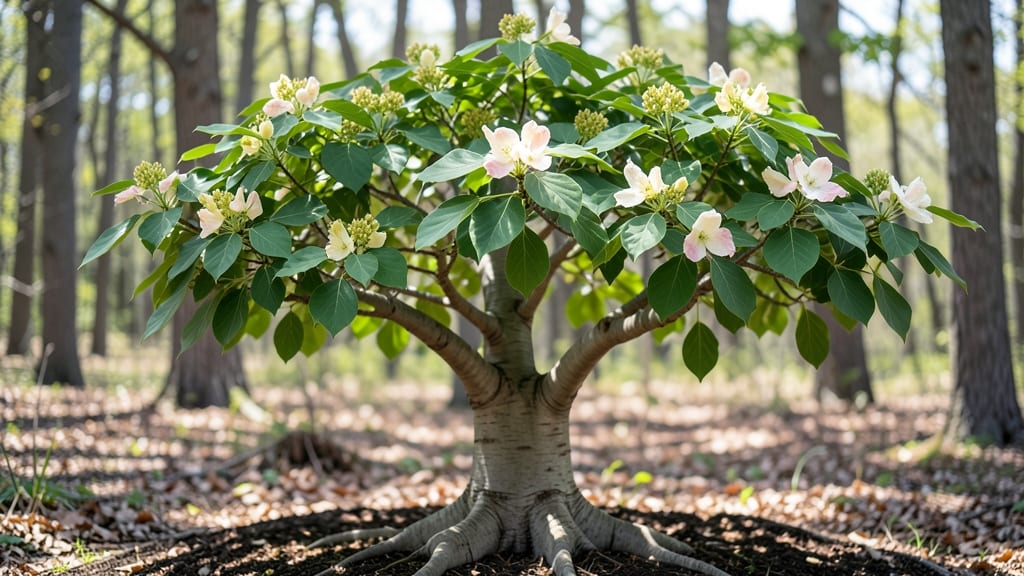
Wondering how tall does dogwood tree grow before it becomes a backyard giant? The answer depends more than you might think on the exact variety you choose, and picking the right one could mean the difference between a delicate understory plant and a statement tree in your landscape.
Native dogwoods like the Cornus florida typically reach 15-30 feet at maturity, while their Asian cousin, Cornus kousa, often stays slightly shorter at 20-25 feet. But here's the game-changer: cultivated varieties can be as small as 8 feet or as towering as their wild counterparts.
Whether you're working with limited space or dreaming of a dramatic focal point, understanding these differences is your first step to perfect planting.
What you'll discover in this guide is how to match your space and vision with the right dogwood variety, plus the surprising factors that can make even a "standard" tree grow taller or shorter than expected.
From soil conditions to sunlight exposure, these details will help you cultivate the perfect-sized dogwood for your garden's needs.
Let's break down the height variations between native species and popular cultivars, so you can make an informed choice that will save you headaches—and potential pruning battles—down the road. Your ideal dogwood is closer than you think!

Native dogwood tree height: species breakdown and growth characteristics
Dogwood trees are beloved for their stunning spring blooms and vibrant fall foliage, but their mature height can vary dramatically depending on the species. Understanding these differences helps you choose the perfect dogwood for your landscape—whether you want a towering centerpiece or a smaller, more manageable specimen.
Native dogwoods typically fall into two main categories: flowering dogwoods (Cornus florida) and Pacific dogwoods (Cornus nuttallii). Each species has distinct growth habits, with mature heights ranging from 15 to 30 feet, depending on growing conditions and regional climate.
Let’s break down the specifics for each.
Flowering dogwoods (Cornus florida) are the most common native variety in the eastern U.S. They usually reach 15 to 25 feet at maturity, with a spread of 20 to 30 feet. In ideal conditions—like rich, moist soil and partial shade—they can grow taller, while cooler climates may stunt their growth slightly.
Pacific dogwoods (Cornus nuttallii), native to the Pacific Northwest, are significantly larger. These trees often mature between 25 to 35 feet tall, with some specimens exceeding 40 feet in optimal conditions. Their broad canopy and towering height make them standout features in large landscapes.
Regional variations play a huge role in dogwood height. For example, Southern dogwoods thrive in warmer climates, often reaching their full height faster, while those in the Northeast may grow more slowly due to shorter growing seasons.
Soil quality also matters—well-draining, acidic soil promotes healthier growth, while poor soil can limit height.
| Species | Mature Height | Spread | Growth Rate | Best Regions |
|---|---|---|---|---|
| Flowering Dogwood (Cornus florida) | 15–25 ft | 20–30 ft | Moderate | Eastern U.S. |
| Pacific Dogwood (Cornus nuttallii) | 25–35 ft | 25–40 ft | Fast | Pacific Northwest |
| Cornus nuttallii var. occidentalis | 30–40 ft | 30–50 ft | Very Fast | West Coast |
If you’re planting a dogwood in a smaller yard, consider the growth rate—flowering dogwoods add about 12 inches per year, while Pacific dogwoods can grow 2 feet annually under ideal conditions.
This means a Pacific dogwood could reach 20 feet in just 10 years, while a flowering dogwood might take 15 years to reach the same height.
For gardeners in USDA Zones 5–9, flowering dogwoods are the best choice for balanced height and manageable care. In Zones 6–8, Pacific dogwoods thrive but require more space.
Always check your local climate and soil conditions—dogwoods hate soggy roots, so well-draining soil is non-negotiable for healthy growth.
Another factor to consider is the canopy spread. Even if a dogwood isn’t towering, its wide branches can make it feel larger. For example, a 20-foot-tall flowering dogwood might have a 30-foot spread, making it a statement piece even in a modest yard.
Always measure your space before planting!
Finally, remember that dogwoods are deciduous, meaning they lose their leaves in winter. This can make them appear smaller during dormancy, but their spring blooms and fall color more than make up for it.
If you love the look of dogwoods but need a smaller option, stay tuned for our next section on dwarf cultivars—they’re perfect for tight spaces!
Dogwood cultivar height comparison: dwarf vs standard varieties explained
Choosing the right dogwood cultivar depends on your space and vision. Some varieties stay compact, while others reach towering heights.
For example, the Celestial dogwood typically grows 15-20 feet tall, making it ideal for medium-sized yards, whereas Pacific dogwood cultivars can soar up to 30 feet, perfect for large landscapes. Understanding these differences helps you select the perfect fit for your garden design.
Height isn't the only factor—consider the growth rate and mature spread too. Dwarf varieties like 'Royal Purple' max out at 8-12 feet, while standard types like 'Stellar Pink' can reach 20-25 feet.
Even within the same species, like Cornus florida, cultivars vary widely in size, so always check labels before planting.
🌳
| Cultivar | Mature Height | Spread | Best For |
|---|---|---|---|
| Celestial | 15-20 ft | 15-20 ft | Medium yards, specimen planting |
| Stellar Pink | 20-25 ft | 15-20 ft | Large landscapes, focal points |
| Royal Purple | 8-12 ft | 10-15 ft | Small spaces, containers |
| Aurora | 12-15 ft | 10-12 ft | Urban gardens, patios |
| Pacific Giant | 25-30 ft | 20-25 ft | Large properties, shade trees |
If you're working with limited space, dwarf cultivars like 'Aurora' or 'Royal Purple' are excellent choices. They thrive in containers or small gardens while still delivering stunning spring blooms and seasonal foliage. For bold statements, standard varieties offer dramatic height and presence, but they require more room to grow.
Always consider your local climate and soil conditions, as these can influence how tall a dogwood grows. For instance, Pacific dogwoods in wetter climates may grow faster than those in drier regions. Matching the cultivar to your environment ensures healthier, happier trees.
🌿