
How To
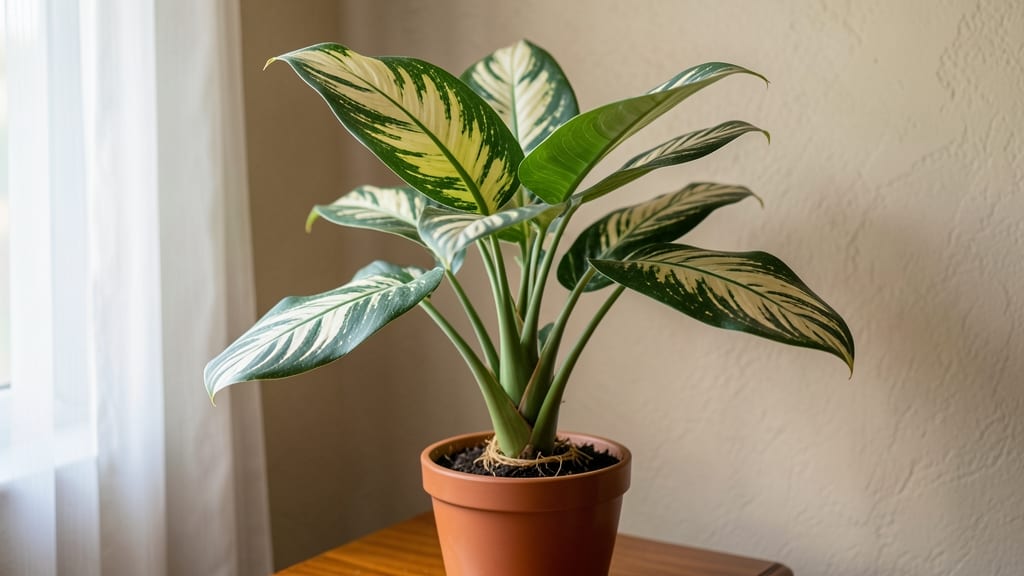
If you’re wondering how tall does dumb cane grow 🌿 when it stretches toward the ceiling like it’s auditioning for a jungle gym, you’re not alone. This popular houseplant can reach heights of 4 to 6 feet indoors—sometimes even faster—if left unchecked, turning your living room into a vertical forest.
But don’t worry: with the right care, you can guide its growth to match your space and style.
The key to managing its height lies in understanding how light, pruning, and even the pot size influence its growth rate. Whether you’re growing the classic Dieffenbachia maculata or a more compact variety like ‘Bausei,’ knowing these factors helps you keep it lush without sacrificing your floor space.
Let’s break down exactly how tall your dumb cane can grow—and how to keep it at your ideal height.
Indoor conditions often speed up growth compared to outdoor tropical settings, where humidity and temperature play a bigger role. With proper care, your plant might hit 3 feet in just a year, but that doesn’t mean you’re stuck with a towering monster.
Pruning isn’t just about trimming—it’s a way to encourage bushier growth and even propagate new plants from cuttings.
Ready to take control? I’ll walk you through the factors that affect height, pruning techniques to maintain your desired size, and how to spot the signs of overgrowth before it happens. By the end, you’ll know exactly how to keep your dumb cane thriving—without it taking over your home.

Natural height limits of dumb cane indoors (and when to expect rapid growth)
Your Dieffenbachia (dumb cane) can reach impressive heights indoors, but its growth depends on several factors. On average, most houseplant varieties grow 3–6 feet tall over 1–2 years, though some tropical conditions can push them even taller.
Understanding these limits helps you plan for pruning or repotting before your plant becomes unmanageable.
Indoor dumb cane growth is influenced by light exposure, pot size, and humidity levels. In bright, indirect light (like an east-facing window), your plant may grow 1–2 feet per year.
However, low-light conditions slow growth to just 6–12 inches annually. Even with ideal care, most standard varieties top out at 6 feet indoors.
If you’re growing Dieffenbachia outdoors in USDA Zone 10–11, expect even faster growth—up to 8 feet or more in optimal conditions. The key difference? Outdoor plants receive more natural humidity and consistent warmth, which accelerates their growth rate. But for most home gardeners, indoor growth is the focus.
Here’s a quick breakdown of height expectations based on care conditions:
| Growth Condition | Height Range (Indoors) | Time to Mature |
|---|---|---|
| Bright, indirect light + large pot | 4–6 feet | 1–2 years |
| Low light + small pot | 1–2 feet | 2–3 years |
| High humidity + large pot | 5–7 feet | 1–1.5 years |
| Outdoor (Zone 10–11) | 6–8+ feet | 1 growing season |
One of the biggest growth triggers for dumb cane is repotting. When roots outgrow their container, your plant will bolt upward in search of space.
To control height, repot every 1–2 years using a pot just 1–2 inches larger in diameter. This encourages bushier growth rather than a single towering stem.
Watch for rapid growth spurts in spring and summer, when your plant is most active. During these months, your dumb cane may grow 6–12 inches per month if conditions are ideal.
To slow this down, reduce fertilizer frequency or move it to a slightly shadier spot. A balanced 10-10-10 fertilizer applied every 6–8 weeks is plenty for most indoor plants.
If your dumb cane starts to lean or stretch, it’s a sign of light deficiency. This isn’t just unsightly—it also signals slower growth. Rotate your plant quarter-turns weekly to ensure even light exposure.
For extra height control, consider pruning leggy stems in early spring, which also encourages denser foliage.
For dwarf varieties like ‘Compacta’, expect heights of just 1–2 feet, making them perfect for desks or shelves. These varieties grow at half the rate of standard types, so they’re ideal if you want a low-maintenance option.
Always check the specific variety’s tag when purchasing, as growth habits can vary widely.
Remember, dumb cane growth is flexible—with the right care, you can shape it to fit your space. Whether you want a tall statement plant or a compact desk companion, understanding these limits puts you in control. 🌿
Natural height limits of dumb cane indoors (and when to expect rapid growth)
If you're wondering how tall does dumb cane grow, the answer depends on its variety and growing conditions. Most Dieffenbachia plants reach 4 to 6 feet tall indoors with proper care, but some varieties stay shorter.
For example, the ‘Bausei’ variety typically maxes out at 3 to 4 feet, making it ideal for smaller spaces.
Indoor growth speed varies—dumb canes grow fastest in bright, indirect light and warm, humid environments. Without enough light, growth slows dramatically, and stems may stretch leggily, reaching 6+ feet in search of sunlight.
In optimal conditions, you can expect 1 to 2 feet of growth per year, with rapid spurts during spring and summer.
Pot size also plays a role. A root-bound plant in a small container will grow taller but slower, while a larger pot with fresh soil encourages bushier, stockier growth.
If you’re growing dumb cane outdoors in USDA Zone 10+, it can reach 8 feet or taller, but most gardeners keep it indoors for its tropical foliage.
Humidity levels also impact height. Dumb canes thrive in 50–70% humidity, but dry air causes slower growth and crispy leaf edges. Place your plant near a humidifier or on a pebble tray to boost growth speed.
If you notice yellowing leaves, it’s often a sign of overwatering or poor drainage, which can stunt height gains.
One common misconception is that dumb canes grow indefinitely. While they can keep growing taller, their leaf production slows as they mature. To maintain a healthy, lush plant, prune leggy stems regularly and rotate the pot every few weeks for even growth.
This ensures your plant stays compact and vibrant rather than towering and sparse.
If you’re aiming for a specific height, monitor your plant’s growth closely. For example, if you want a 3-foot-tall statement plant, prune when it hits 2 feet to encourage bushier growth.
With the right care, your dumb cane can be both a height-controlled centerpiece and a low-maintenance tropical beauty.